How to Prune Carmel ceanothus?
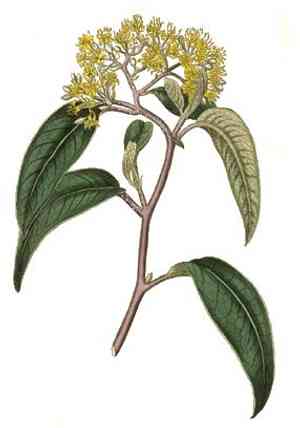
Carmel ceanothus is a rapidly developing evergreen bush featuring lustrous foliage and groupings of blue blossoms. Perform trimming in the colder months to sculpt the plant and eliminate any lifeless or compromised limbs. Concentrate on reducing the density of inner branches to foster better air movement and light exposure. This practice boosts overall well-being and stimulates abundant flowering in the springtime. Refrain from extensive pruning, as it could hinder development. Consistent, gentle trimming aids in preserving an appealing structure and stops the plant from becoming sparse. Always employ sanitized, keen implements to avert illness.
What Are the Benefits of Pruning Carmel Ceanothus?
What Are the Benefits of Pruning Carmel Ceanothus?
Carmel ceanothus pruning encourages robust development, maintains desired form, and improves overall look. It fosters healthier limbs, prevents congestion, and allows better light access. Regular trimming helps this species resist pests and illnesses, ensuring a strong and attractive plant.
What Is the Best Time for Pruning Carmel Ceanothus?
What Is the Best Time for Pruning Carmel Ceanothus?
Trimming carmel ceanothus during winter is ideal due to its growth pattern. This plant type enters a dormant phase in winter, meaning it's not actively growing. Pruning at this time reduces plant stress and helps shape it without disrupting its flowering and fruiting cycles. Additionally, winter pruning minimizes disease and pest risks, as colder temperatures limit their activity. Proper winter pruning can promote healthier, more vigorous growth in the subsequent season as the plant conserves energy for spring development.
What Tools Do I Need to Prune Carmel Ceanothus?
Bypass pruners
Perfect for making clean cuts on live branches up to ¾ inch in diameter. They help prevent plant damage.
Lopping shears
Useful for cutting thicker branches, typically between ¾ inch and 1 ½ inches, which bypass pruners might not handle effectively.
Pruning saw
Crucial for removing larger branches over 1 ½ inches in diameter, ensuring a clean cut without tearing the wood.
Hedge shears
Important for shaping and trimming the shrub to maintain the desired form of carmel ceanothus, especially if used in a hedge or border.
Anvil pruners
Suitable for removing dead or thick branches where precise cuts are less critical, aiding in maintaining plant health.
How to Prune Carmel Ceanothus
Remove withered leaves
Carefully inspect carmel ceanothus for any withered or dead leaves. Use sharp pruning shears to trim these leaves close to the stem, ensuring you do not damage new growth.
Eliminate dead branches
Identify branches on carmel ceanothus that are dead. Cut these branches back to the nearest healthy part of the plant, avoiding leaving stubs that can attract pests or disease.
Remove diseased branches
Look for branches showing signs of disease (discoloration, irregular growth). Prune these branches entirely or back to the nearest healthy node, sterilizing your pruning shears between cuts to prevent the spread of disease.
Thin out dense areas
To improve air circulation and sunlight penetration, selectively thin out overly dense areas by pruning some branches close to the base or to a lateral branch.
Shape and maintain
Once the necessities are done, shape carmel ceanothus by removing any unruly growth. Trim branches that extend beyond the desired silhouette, always cutting back to a healthy lateral branch or bud.
Common Pruning Mistakes with Carmel Ceanothus
Over-pruning
Removing too much foliage can stress carmel ceanothus and inhibit its ability to photosynthesize effectively, leading to poor growth and reduced flowering.
Incorrect timing
Pruning at the wrong time can disturb the plant's growth cycle, reducing the flowering potential and making it more susceptible to diseases and pests.
Improper cuts
Making improper cuts, such as cutting too close to the bud or leaving stubs, can lead to infection or dieback, compromising overall plant health.
Neglecting sanitation
Using unclean tools can introduce pathogens to carmel ceanothus, increasing the risk of disease.
Common Pruning Tips for Carmel Ceanothus
Light pruning
Engage in light pruning regularly to maintain shape and remove any dead, damaged, or diseased branches. This helps promote better air circulation and light penetration.
Use sharp tools
Always use sharp, clean pruning shears to ensure clean cuts, reducing the risk of disease and encouraging faster healing.
Cut at an angle
Make cuts at a slight angle just above a bud facing outward. This helps water run off the cut, preventing water from pooling and reducing the chance of rot.
Thin out growth
Regularly thin out dense areas to improve air flow between branches, which can help prevent fungal diseases and promote healthy growth.
Observe plant response
Monitor carmel ceanothus after pruning to observe how it responds and adapt your technique based on its growth and health. This can help you fine-tune your pruning strategy for future seasons.



