How to Propagate Carmel ceanothus?
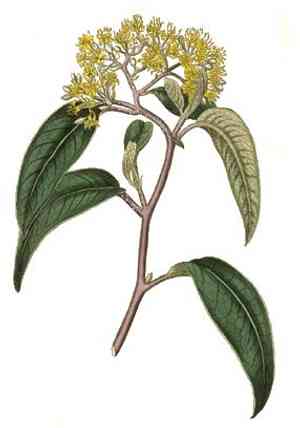
To multiply carmel ceanothus, obtain semi-lignified sections from robust specimens. Verify that each cutting possesses a minimum of one joint and strip off the bottom foliage. Immerse the severed tip in rooting compound for enhanced success, then embed it in a substrate that drains effectively. Sustain elevated moisture levels and diffused illumination until a root system develops. Periodically spray with water and observe for indications of development.
When Is the Optimal Period to Propagate Carmel Ceanothus?
Propagation Method
Cutting
Propagation Period
Spring,Summer
What Equipment Is Utilized for Carmel Ceanothus Propagation?
Pruning Shears
Employed to obtain clean, healthy cuttings from carmel ceanothus. Sharp blades minimize harm to the parent plant and the cuttings.
Rooting Hormone
Applied to the severed ends of cuttings to encourage root formation. Crucial for quicker and more robust root growth in carmel ceanothus.
Propagation Trays
Accommodate multiple cuttings in a regulated setting. Guarantee proper drainage and space for carmel ceanothus cuttings to establish roots.
Sterile Potting Mix
Offers a disease-free medium that retains moisture yet drains effectively. Vital for the healthy root development of carmel ceanothus cuttings.
Misting Bottle
Maintains humidity around the cuttings, preventing desiccation. Essential for the initial phases of carmel ceanothus propagation.
Heating Mat
Positioned beneath trays to sustain a consistent soil temperature. Beneficial for encouraging faster root growth in carmel ceanothus cuttings.
Humidity Dome
Placed over propagation trays to create a moist micro-environment. Keeps carmel ceanothus cuttings hydrated and lessens transplant shock.
Labeling Stakes
Assists in identifying various sets of cuttings. Useful for tracking carmel ceanothus cuttings, their propagation date, and any applied treatments.
How to Propagate Carmel Ceanothus?
Propagation Difficulty
Moderately Difficult
How to Nurture Your Newly Propagated Carmel Ceanothus?
How to Nurture Your Newly Propagated Carmel Ceanothus?
Once roots have formed, typically within a few weeks to a couple of months, gradually introduce carmel ceanothus cuttings to outdoor conditions. Transplant them to their permanent spot with well-draining soil. Water consistently until established, but avoid waterlogging. Lightly prune to maintain shape and remove any dead or weak growth. Monitor for pests and diseases, and apply suitable treatments if needed. Mulch around the base to retain moisture and reduce weed competition, ensuring it doesn't touch the stem to prevent rot.
Common Errors to Avoid When Propagating Carmel Ceanothus
Overwatering
Excessive moisture can lead to root rot and fungal infections, which can be detrimental to the plant's well-being.
Inappropriate Soil Selection
Utilizing dense or poorly-draining soil can result in inadequate root development and impede plant growth.
Incorrect Cutting Method
Cutting techniques that harm stems or leaves can lead to poor rooting or failure to establish.
Insufficient Illumination
Not providing enough light can result in weak, elongated growth and reduced vitality.
Advice For Propagating Carmel Ceanothus
Utilize Well-Draining Soil
Ensure the soil mixture drains effectively, such as a blend of perlite and sandy soil, to prevent waterlogging and foster healthy root development.
Maintain Moderate Moisture
Keep the soil consistently moist but not saturated, as this aids in rooting without causing decay.
Apply Rooting Hormone
Using a rooting hormone can enhance root formation and increase the likelihood of successful propagation.
Ensure Adequate Light
Place the cuttings in a location where they receive ample indirect sunlight to promote robust growth.



