How to Transplant Calistoga ceanothus?
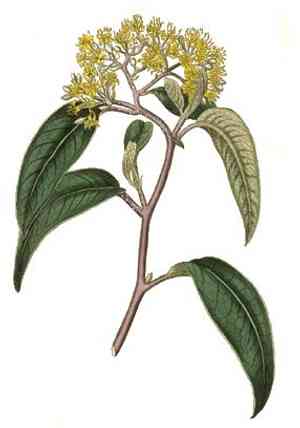
Calistoga ceanothus flourishes when transplanted in the early to middle autumn period, enabling its root system to become firmly established prior to winter. Select a location that receives ample sunlight and drains effectively to guarantee successful adaptationâa vital factor for the plant's ongoing well-being and vigorous development.
What Preparations are Needed Before Relocating Calistoga Ceanothus?
What is the Ideal Time for Relocating Calistoga Ceanothus?
Moving calistoga ceanothus in mid to late autumn provides optimal conditions for root development. The cooler ground and milder weather reduce transplant stress, encouraging stronger root growth and improved overall health. This period allows calistoga ceanothus to establish itself before summer's demands, boosting its resilience and long-term vigor.
How Much Space Should You Leave Between Calistoga Ceanothus Plants?
When relocating calistoga ceanothus, ensure a spacing of 3-5 feet (0.9-1.5 meters) between them. This provides ample room for growth and air circulation, which aids in disease prevention.
What is the Best Soil Mix for Calistoga Ceanothus Relocation?
Calistoga ceanothus thrives in soil that drains well. Prepare the new spot by incorporating compost or a balanced base fertilizer to enrich the soil, ensuring it's slightly acidic to neutral (pH 6.0-7.0).
Where Should You Relocate Your Calistoga Ceanothus?
Place calistoga ceanothus in a spot that receives full sun. They require at least 6-8 hours of daily sunlight to grow healthily and vibrantly.
What Equipment Should You Prepare Before Relocating Calistoga Ceanothus?
Gardening Gloves
To safeguard your hands while handling soil and the plant.
Shovel or Spade
For digging and lifting the plant.
Trowel
Useful for detailed digging tasks around the plant.
Wheelbarrow
To move the plant if it is large or heavy.
Pruners
To trim any damaged roots or branches.
Watering Can
To hydrate the plant before and after relocation.
Mulch
Helps retain moisture and safeguard the relocated plant.
How Do You Extract Calistoga Ceanothus from the Soil?
How Do You Extract Calistoga Ceanothus from the Soil?
From Ground: First, water the calistoga ceanothus plant to moisten the soil. Then, dig a wide trench around the plant using a shovel or spade, ensuring the plant's root ball remains intact. Carefully work the spade under the root ball to lift the plant from its original spot.From Pot: Gently tilt the pot on its side and tap the bottom to loosen the plant. Carefully slide the plant out, supporting the root ball with your hand to prevent damage.From Seedling Tray: Lightly water the seedlings. Use a trowel to carefully lift each seedling, ensuring you get as much of the root system as possible. Handle by the leaves, not the stem, to avoid damage.
Step-by-Step Guide for Relocating Calistoga Ceanothus
Site Preparation
Select a location with suitable conditions for your calistoga ceanothus plant. Dig a hole that's twice as wide and the same depth as the root ball to provide ample space for roots to spread.
Root Inspection
Before placing the plant in the ground, examine the roots. Trim any damaged or excessively long roots with pruners to encourage healthy growth.
Plant Placement
Position the calistoga ceanothus plant in the hole, ensuring it's at the same soil level as it was in its previous location. Gently firm the soil around the plant to support it.
Watering
Thoroughly water the plant after relocation to settle the soil and eliminate air pockets. This assists the roots in establishing in their new location.
Mulching
Apply a layer of mulch around the base of the plant to help retain moisture, regulate soil temperature, and suppress weeds.
How Do You Care For Calistoga Ceanothus After Relocation?
Watering
Keep the soil around the calistoga ceanothus consistently moist, but not waterlogged, for the first few weeks after relocation to help establish strong roots.
Mulching
Check the mulch layer regularly. Replenish as needed to maintain a 2-3 inch layer, which will help conserve moisture and protect the plant.
Monitoring
Watch for signs of relocation shock like wilting leaves or slowed growth. These are normal and should improve with proper care. Ensure the plant is receiving the right amount of water and sunlight.
Troubleshooting Common Issues with Calistoga Ceanothus Relocation.
When is the best time to relocate calistoga ceanothus?
The ideal time to relocate calistoga ceanothus is mid to late fall, ensuring better establishment.
How much space should I leave between calistoga ceanothus plants?
Plant them 3-5 feet (91-152 cm) apart to allow adequate room for growth and airflow.
What type of soil is suitable for calistoga ceanothus?
Calistoga ceanothus prefers well-draining soil. Adding some organic matter can enhance soil quality.
How do I prepare the planting hole for calistoga ceanothus?
Dig a hole twice the width and the same depth as the root ball for healthy growth.
Should I water calistoga ceanothus immediately after relocating?
Yes, water the plant deeply right after relocating to settle the soil around the roots.
How can I prevent relocation shock in calistoga ceanothus?
Relocate in cooler weather and keep the soil moist to minimize stress on the plant.
Is mulching necessary when relocating calistoga ceanothus?
Applying mulch can help retain moisture and regulate soil temperature, promoting root establishment.
Can I fertilize calistoga ceanothus immediately after relocating?
Wait 4-6 weeks before fertilizing to allow the plant to settle in its new location.
What should I do if calistoga ceanothus shows signs of wilting?
Ensure proper watering and shield the plant from extreme sun until it recovers from relocation shock.
How deep should calistoga ceanothus's root ball be planted?
Plant the root ball at the same depth as it was previously growing to avoid root issues.



