How to Prune Calistoga ceanothus?
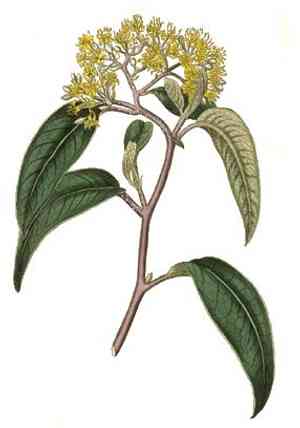
Calistoga ceanothus, recognized for its vivid blue blossoms, flourishes with systematic trimming. Essential methods involve excising deceased or frail limbs and contouring the shrub to foster vigorous development. The ideal period for pruning is early spring, precisely when fresh shoots emerge. Trimming at this juncture encourages more abundant flowering and deters sparse, elongated stems. Consistent pruning additionally improves air movement, diminishing the likelihood of fungal infections. Always employ sanitized, keen implements to prevent harm to the plant.
What Are the Benefits of Pruning Calistoga Ceanothus?
What Are the Benefits of Pruning Calistoga Ceanothus?
Trimming Calistoga ceanothus promotes strong development, maintains a manageable size, improves its form, and fosters healthier, denser foliage. Pruning also enhances air circulation, lowering pest and disease risks. Regular trimming can lead to more abundant blooms, boosting the plant's visual appeal.
What Is the Best Time for Pruning Calistoga Ceanothus?
What Is the Best Time for Pruning Calistoga Ceanothus?
Pruning in early spring, just as new growth emerges, is ideal for calistoga ceanothus as it allows the plant to recover quickly and prepare for the upcoming growing season. This timing aids in fostering healthy development and maximizing flowering potential. Furthermore, pruning before the active growth period ensures the plant's energy is directed towards new, vigorous growth rather than sustaining older, potentially woody branches. It also minimizes the risk of disease and pest infestations that can occur with late-season pruning. Early spring pruning aligns with calistoga ceanothus's natural growth cycle, thereby supporting overall plant health and vitality.
What Tools Do I Need to Prune Calistoga Ceanothus?
Bypass Pruners
Bypass pruners are perfect for calistoga ceanothus due to their accuracy and clean cuts, which help prevent harm and illness. They are excellent for trimming small branches and stems.
Lopping Shears
Lopping shears are useful for cutting thicker branches that bypass pruners cannot manage. Their long handles provide leverage for making clean cuts on larger growth.
Pruning Saw
A pruning saw is essential for removing larger or more difficult branches that lopping shears and bypass pruners cannot cut cleanly. It ensures a neat cut on substantial branches without harming the plant.
Hedge Shears
Hedge shears are effective for shaping calistoga ceanothus and maintaining its size and form, especially useful for trimming back new growth and keeping the plant aesthetically pleasing.
Gloves
Durable gardening gloves are crucial to protect hands from thorns and rough branches while pruning calistoga ceanothus. They help prevent injury and improve grip on tools.
How to Prune Calistoga Ceanothus
Sanitize tools
Before beginning, ensure your pruning tools are disinfected to prevent disease spread. Use a sanitizing agent like rubbing alcohol to thoroughly clean the blades.
Remove diseased leaves
Carefully inspect calistoga ceanothus and remove any leaves showing signs of illness. Cut back to a healthy part of the plant, ensuring proper disposal of diseased material to avoid contamination.
Remove withered leaves
Identify any withered or dried-out leaves on calistoga ceanothus and trim them off. Removing these parts will help direct the plant's energy towards healthier growth.
Cut dead branches
Locate dead branches by checking for brittle, dry stems. Use pruning shears to cut back these branches, ensuring the cut is made at the base where the branch meets the main stem.
Prune diseased branches
Look for branches that appear diseased, indicated by discoloration, sap leakage, or unusual growth patterns. Prune these branches back to a point where healthy tissue is present, generally cutting a few inches below the affected area.
Common Pruning Mistakes with Calistoga Ceanothus
Over-pruning
Cutting back too much foliage can stress calistoga ceanothus and hinder its ability to produce flowers. This can also make the plant more susceptible to diseases.
Improper Technique
Using dull or dirty pruning tools can cause jagged cuts and introduce pathogens. Additionally, making cuts in the wrong location, such as too far from a bud, can harm the plant.
Ignoring Deadwood
Failing to remove dead or dying branches can lead to disease and pest infestations that can spread throughout calistoga ceanothus.
Incorrect Timing
Pruning too early or too late can disrupt the plant's growth cycle and reduce flowering. This is a common issue when gardeners do not understand the specific needs of calistoga ceanothus.
Failure to Shape Properly
Neglecting to shape the plant can result in poor form and weak structure, leading to broken branches and an overall unhealthy appearance.
Common Pruning Tips for Calistoga Ceanothus
Use Clean, Sharp Tools
Ensure your pruning shears and saws are clean and sharp to make precise cuts and minimize damage to calistoga ceanothus. Sanitize tools before and after use to prevent disease spread.
Focus on Damaged and Dead Branches
Always begin by removing any dead, damaged, or diseased branches. This promotes better air circulation and reduces the risk of infections.
Make Precise Cuts
Cut just above a bud facing the direction you want the new growth to follow. This encourages a natural shape and robust growth.
Gradual Pruning
Avoid removing more than a third of the plant at a time. Gradual pruning over several seasons will help maintain plant health and encourage flowering.
Shape and Thin
Regularly thin out dense branches to allow light and air to penetrate the canopy. This reduces the risk of fungal diseases and helps the plant maintain a balanced shape.



