How to Propagate Calistoga ceanothus?
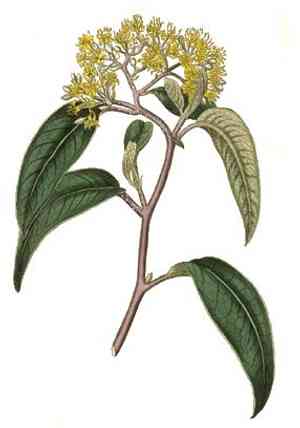
Calistoga ceanothus, a member of the Rhamnaceae family of shrubs, is celebrated for its attractive flowers. Effective propagation techniques involve taking stems from vigorous specimens and utilizing semi-hardwood cuttings. Providing adequate hydration and a suitable rooting substrate will encourage strong development. Consistent inspection for infestations and ailments improves the chances of success. Understanding soil requirements and irrigation demands is vital for achieving the best propagation results.
What Is the Best Time To Propagate Calistoga Ceanothus?
Propagation Type
Cutting
Propagation Season
Spring,Summer
What Tools Are Used in Calistoga Ceanothus Propagation?
Sharp Pruning Shears
Utilized for taking clean cuttings from calistoga ceanothus, ensuring minimal harm to the parent plant and a greater success rate for the cuttings. High quality helps prevent crushing plant tissues.
Rooting Hormone
Applied to the cutting's base to encourage root development. Crucial for ensuring quicker root formation and enhancing the survival rate of calistoga ceanothus cuttings.
Propagation Tray
Offers a regulated setting for rooting cuttings. Guarantees appropriate space and soil moisture for each calistoga ceanothus cutting to avoid overcrowding and foster healthy root growth.
Humidity Dome
Maintains a high-moisture environment, vital for preventing the cuttings from drying out during the initial stages of root formation for calistoga ceanothus.
Perlite or Vermiculite
Employed to create a well-draining propagation medium. Aids in preventing waterlogging, which can cause rot in calistoga ceanothus cuttings.
Dibble or Planting Stick
Helps create holes in the propagation medium for inserting cuttings without harming the stems. This tool ensures calistoga ceanothus cuttings are placed at the correct depth.
Spray Bottle
Allows for gentle irrigation and maintaining moisture levels around the calistoga ceanothus cuttings without dislodging or damaging them.
Heat Mat
Provides warmth to the base of the cuttings, promoting faster root development and improving the overall success rate of propagating calistoga ceanothus.
Rooting Tray Labels
Used to mark and identify calistoga ceanothus cuttings, enabling organized tracking of growth progress and care requirements.
How to Propagate Calistoga Ceanothus?
Propagation Type
Moderately Difficult
How to Care for Your Newly Propagated Calistoga Ceanothus?
How to Care for Your Newly Propagated Calistoga Ceanothus?
Once roots are established, gradually increase light exposure over a week. Transplant calistoga ceanothus into a larger pot or directly into the garden, ensuring it is in a spot with well-drained soil and ample sunlight. Water moderately, allowing the soil to dry out between waterings, and apply a balanced, slow-release fertilizer in the spring. Prune the plant as needed to encourage bushier growth and remove any dead or diseased branches.
Common Mistakes to Avoid When Propagating Calistoga Ceanothus
Overwatering
Excessive irrigation can lead to root decay, as calistoga ceanothus prefers well-drained soil.
Improper Soil
Using soil that retains too much moisture can hinder root development. Calistoga ceanothus thrives in sandy or rocky soil that allows for good drainage.
Neglecting Light Needs
Insufficient sunlight can limit growth and propagation success. Calistoga ceanothus requires full sunlight to flourish.
Incorrect Pruning
Pruning at the wrong time or in the wrong way can harm young plants and inhibit growth.
Failure to Provide Adequate Space
Calistoga ceanothus needs enough room for its roots to expand. Crowding can lead to stunted growth and increased susceptibility to disease.
Tips For Propagating Calistoga Ceanothus
Ensure Good Drainage
Plant calistoga ceanothus in sandy or rocky soil to prevent water stagnation and root rot.
Monitor Watering
Water sparingly to keep the soil moist but not waterlogged, particularly during initial growth stages.
Maximize Sun Exposure
Place calistoga ceanothus in a location with full sunlight to promote healthy growth and vigorous propagation.
Prune Carefully
Prune calistoga ceanothus correctly by using sharp, clean tools and making cuts during dormant phases to encourage robust growth.
Provide Adequate Space
Space plants adequately to ensure root expansion, reducing competition for nutrients and minimizing disease risk.



