How to Transplant Belah?
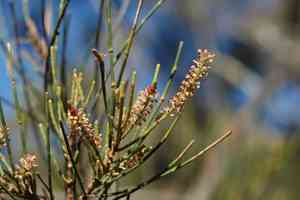
Belah thrives when relocated during the lively phase from early to late spring, as this offers ideal conditions for development. Select a bright, adequately drained spot. If needed, verify that the soil's hydration is balanced to encourage successful rooting.
What Preparations are Needed Before Transplanting Belah?
What is the Ideal Time for Transplanting Belah?
The best time to move belah is from early to mid-spring. This period allows the plant to benefit from warmer soil and increased daylight. Moving it then helps roots establish and promotes strong growth. Transplanting at this time maximizes its adaptation and boosts overall health.
How Much Space Should You Leave Between Belah Plants?
For your belah, aim to position each plant approximately 15-20 feet (4.5-6 meters) apart. This provides ample room for growth and prevents competition for resources.
What is the Best Soil Mix for Belah Transplanting?
Prepare soil that drains well, enriched with compost to boost nutrient levels. Incorporating a foundational fertilizer, such as a balanced 10-10-10 (N-P-K), will give your belah a robust start.
Where Should You Relocate Your Belah?
Select a sunny location for your belah. They flourish best in full sun, requiring at least 6 hours of direct sunlight daily for healthy development.
What Equipments Should You Prepare Before Transplantation Belah?
Gardening Gloves
To safeguard your hands while handling soil and the plant.
Shovel or Spade
For excavating the plant from its original spot and preparing the new planting hole.
Watering Can or Hose
To hydrate the plant both before and after its relocation.
Pruning Shears
To trim away any damaged roots or branches.
Garden Fork
To loosen the soil surrounding the plant.
Burlap or Plastic Sheet
To wrap the root ball if the plant needs to be moved a significant distance.
How Do You Remove Belah from the Soil?
How Do You Remove Belah from the Soil?
From Ground: First, moisten the belah plant's soil. Then, use a shovel or spade to dig a wide trench around the plant, ensuring the root ball stays intact. Carefully work the spade beneath the root ball to lift the plant from its initial position.From Pot: Thoroughly water the belah plant. Gently tap the pot's sides to loosen the soil, then tilt the pot to keep the root ball whole. Slide the plant out by holding the stem's base.From Seedling Tray: Water the seedlings well before removal. Use a small tool, like a garden fork or spoon, to carefully lift the seedling from the tray, ensuring roots are undamaged.
Step-by-Step Guide for Transplanting Belah
Site Preparation
Prepare the new planting location by digging a hole twice as wide but the same depth as the belah's root ball. Ensure the hole offers good drainage.
Plant Removal
Using the appropriate technique described earlier, carefully extract the belah plant from its original spot.
Planting
Position the belah plant in the center of the hole, making sure it stands upright and is at the same soil level as before. Backfill the hole with soil, gently tamping it down to eliminate air pockets.
Watering Again
Thoroughly water the newly planted belah to help the soil settle around its roots.
Mulching
Apply a layer of mulch around the belah's base to help retain moisture and regulate soil temperature.
How Do You Care For Belah After Transplanting?
Watering
Keep the soil around the belah consistently moist, but not waterlogged, for the initial weeks post-transplant to aid in strong root establishment.
Mulching Maintenance
Maintain the mulch layer, ensuring it does not touch the plant's stem to prevent rot.
Pruning
Remove any damaged or dead branches to help the plant direct its energy towards developing new roots.
Monitoring
Regularly inspect the belah for signs of stress, such as wilting or yellowing leaves, and adjust care as needed.
Troubleshooting Common Issues with Belah Transplantation.
When is the best time to transplant belah?
Transplant belah from early spring to late spring for optimal outcomes.
How much spacing is needed between belah?
Space belah plants 15-20 feet (4.5-6 meters) apart for ideal growth.
What type of soil is best for belah?
Belah thrives in well-drained, sandy or loamy soils. Avoid waterlogged areas.
How do I prepare the hole for transplanting belah?
Dig a hole twice as wide and equal in depth to the root ball of belah.
Do I need to fertilize belah when transplanting?
Adding a balanced, slow-release fertilizer can assist belah establishment, but it's not mandatory.
How often should I water belah after transplanting?
Water belah deeply immediately after transplanting and keep soil moist, not waterlogged, for the first month.
What should I do if belah leaves turn yellow after transplanting?
Yellow leaves can indicate transplant shock. Ensure proper watering and avoid immediate fertilization.
Can I transplant belah in hot weather?
Avoid transplanting belah during hot summer months to minimize plant stress.
Belah isn't growing well after transplanting. What should I check?
Check soil drainage, watering routine, and spacing. Ensure belah is not competing with nearby plants.
How can I reduce transplant shock for belah?
Water thoroughly, mulch around the base, and avoid immediate fertilization to lessen transplant shock.



