How to Propagate Belah?
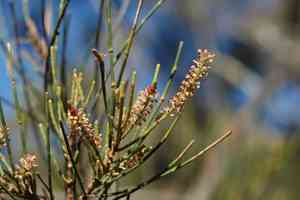
Belah propagates effectively via cuttings. Employ semi-hardwood sections, making sure they measure around 10-15cm long. Submerge the severed tip in rooting compound to stimulate root formation, then embed in a growing medium that drains efficiently. Sustain elevated humidity and steady dampness as the cuttings establish roots, which usually takes several weeks. Consistent observation and attention will boost the propagation success for belah.
Optimal Time for Belah Propagation
Propagation Method
Cutting
Propagation Period
Autumn,Winter
Tools for Belah Propagation
Sharp Pruning Shears
Crucial for obtaining clean, precise cuttings from the parent plant. Minimizes damage and infection risk, fostering healthy root growth.
Rooting Hormone
Promotes quicker and stronger root development in cuttings. Especially helpful for belah, boosting successful propagation rates.
Propagation Trays
Offer an ideal setting for cuttings to root. Ensure proper drainage and air circulation, vital for preventing rot and encouraging robust root formation.
Sterile Growing Medium
Provides a pathogen-free environment for cuttings to root. Important for preventing diseases that could harm belah during its vulnerable propagation phase.
Mist Sprayer
Maintains the necessary humidity levels around the cuttings. Helps keep delicate belah cuttings hydrated without excessive watering.
Heat Mat
Delivers consistent warmth from below to encourage rooting. Beneficial for accelerating root formation in belah, particularly in cooler climates.
Labeling Stakes
Assists in tracking cuttings. Allows gardeners to monitor belah's progress and easily identify successful propagations.
Scalpel or Grafting Knife
Useful for making precise incisions, especially for softwood or hardwood belah cuttings. Ensures smooth cuts, reducing cell damage and promoting better root development.
Belah Propagation Difficulty
Propagation Type
Moderately Difficult
Post-Propagation Care for Belah
How to Care for Your Newly Propagated Belah?
After successful propagation, consistently observe the young belah plants. Ensure they receive adequate water, especially during establishment, and shield them from harsh conditions. Fertilize with a balanced, slow-release product, and mulch around the base to retain moisture and suppress weeds. Prune as needed to maintain desired shape and encourage healthy growth. Watch for pests and diseases, treating them promptly if observed.
Common Errors to Avoid When Propagating Belah
Improper Soil Composition
Using soil lacking adequate drainage can lead to root rot and fungal diseases, hindering root development and overall plant health.
Overwatering
Excessive watering can result in waterlogged soil, causing root rot and poor oxygenation, which can impede belah's growth.
Underwatering
Failing to water sufficiently can lead to dried-out roots and inadequate nutrient uptake, resulting in poor belah growth and development.
Incorrect Planting Depth
Planting either too deep or too shallow can impede root development and result in weak, unstable seedlings.
Neglecting Light Requirements
Insufficient light can slow growth and increase belah's susceptibility to pests and diseases.
Belah Propagation Advice
Use Well-draining Soil
Ensure the soil mix allows for proper drainage to prevent root rot and encourage healthy root growth.
Maintain Moderate Watering
Water the plant moderately to keep the soil moist but not saturated, checking moisture levels regularly.
Ensure Adequate Root Coverage
Plant at the correct depth to allow roots to establish effectively, ensuring the root ball is well covered without being too deep.
Provide Sufficient Light
Place belah in a location with ample sunlight to support robust growth and overall plant health.
Monitor and Adjust Care
Regularly check for signs of stress or disease, adjusting care routines as needed to address issues promptly.



