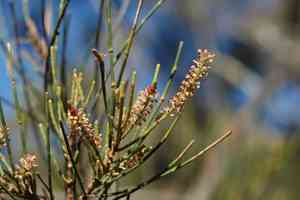
Belah (Casuarina cristata)
Also known as: Belah
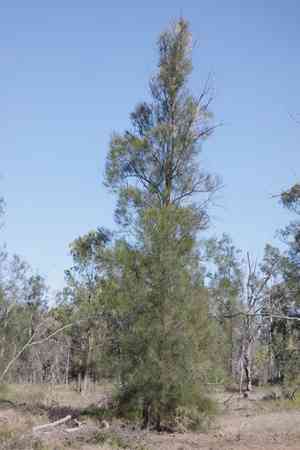
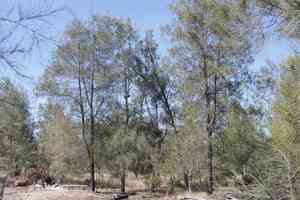
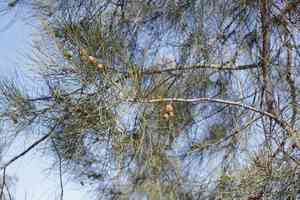
Belah (Casuarina cristata) features slender, green, needle-like foliage, which are actually modified branchlets, resembling pine needles. This foliage forms an open, airy canopy, allowing the tree to conserve water efficiently, making it well-suited for arid environments. Additionally, its bark is rough and deeply fissured, aiding in water retention and providing a protective layer against harsh climatic conditions.
In This Article
Attributes of Belah
Lifespan
Perennial
Plant Type
Tree
Plant Height
10-20 meters
Spread
5-10 meters
Leaf Color
Green
Flower Size
Small; not significant
Flower Color
Reddish-brown (male flowers); generally inconspicuous
Images of Belah
Quickly Identify Belah
1
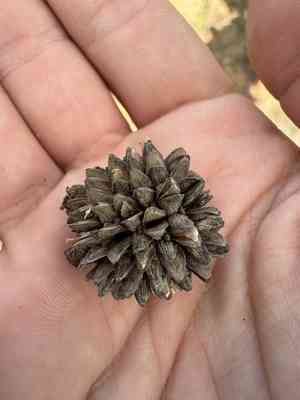
Casuarina cristata can be identified by its slender, needle-like branchlets, its deeply furrowed, dark grey-brown bark, and the tessellated pattern of the tree\'s cones.
Scientific Classification of Belah
Phylum
Vascular plants
Class
Dicotyledons
Order
Fagales
Family
Sheoaks
Genus
Sheoaks
Species
Belah
Planting and Growing of Belah
Care Difficulty
Moderate
Watering Schedule
Every 2 days
Sunlight Requirements
Full sun
Sunshine Duration
6-10 hours
Ideal Temperature
65-75℉
Soil Type
Potting Mix, Peat Mix
Soil pH
6.5-7.5
Fertilizer Type
Balanced
Pruning Season
Spring, Summer
Pruning Area
Branches, Leaves
Pruning Frequency
2 times a year
Repotting Season
Spring
Pot Type
Plastic, Ceramic
 How to Water Belah?
When watering Casuarina cristata, administer about 500 milliliters of water each session. Ensure the soil is soaked sufficiently but avoid waterlogging. Water until you notice some water seeping through the drainage holes, indicating the roots have ample moisture access.
What are the symptoms of an underwatered Belah?
›
What should I do if my Belah is not getting enough water?
›
What are the symptoms of an overwatered Belah?
›
How to save an overwatered Belah?
›
 What Are the Sunlight Requirements for Belah?
Casuarina cristata thrives in full sun conditions. Ideal light exposure promotes optimal growth and enhances foliage density, enabling the plant to flourish and reach its full potential.
What is the best lighting condition for Casuarina cristata?
›
How can I ensure Casuarina cristata receives the ideal sunlight?
›
What benefits does ideal sunlight provide to Casuarina cristata?
›
 What Is the Ideal Temperature Range for Belah?
The ideal temperature range for Casuarina cristata is between 65°F and 75°F. In this range, the plant can thrive, ensuring optimal growth conditions that support healthy development and resilience against pathogens.
 What Soil is Best for Belah?
Casuarina cristata thrives in well-drained soils where excess water doesn’t accumulate. This prevents root rot and supports a robust and healthy root system, essential for the plant's stability and nutrient uptake. While adaptable, Casuarina cristata benefits from soils enriched with organic matter, which boosts growth and vigor, providing a steady supply of essential nutrients for lush foliage. A lighter soil texture allows for better root expansion and ease of anchorage for the Casuarina cristata, enhancing strength to withstand strong winds and reducing planting stress.
 How to Fertilize Belah?
When fertilizing Casuarina cristata, use a balanced liquid fertilizer diluted to half its strength, approximately 10-15 ml per liter of water. This ensures the plant receives adequate nutrients without overwhelming it. For slow-release fertilizers, apply about 50 grams around the base of the plant, ensuring a gradual nutrient supply over time.
 How to Prune Belah?
Begin by identifying dead, broken, or diseased branches and remove them using clean, sharp pruning shears. Target branches that disrupt the tree's natural shape. When cutting, make sure to use an angular cut to prevent water accumulation and promote faster healing. Casuarina cristata can attain an elegant, rounded crown. To maintain this form, selectively thin out branches that crowd the center or cross each other. Remove lower branches to lift the crown and accentuate its natural shape, enhancing aesthetic beauty while ensuring sunlight penetrates the foliage evenly.
More About Pruning Techniques→
 How to Propagate Belah plant?
1
Gather mature seeds from the plant in late spring. Once collected, clean the seeds thoroughly to remove any debris or pulp that might inhibit germination.
2
Select healthy, mature stems for cuttings. Using sterilized pruning shears, cut at a 45-degree angle just below a node. Remove lower leaves to prevent rot.
3
Sow the seeds in a prepared seed tray filled with seed-starting mix. Lightly cover with soil and maintain humidity by covering with a plastic dome or placing the tray in a greenhouse.
 How to Repot Belah plant?
1
Casuarina cristata shows signs it needs repotting when its roots start circling the pot or growing out of drainage holes. The best time for this task is during the active growing seasons of spring or summer when the plant can recover quickly from any root disturbance.
2
Select a pot that is 2-3 inches larger in diameter than the current one, ensuring there are appropriate drainage holes at the bottom. This ensures the roots have ample space to expand, promoting healthier growth and preventing root-bound conditions that could stunt the plant's development.
3
Use a well-draining sandy soil mix to mimic its natural environment, allowing for good airflow and root development. The benefits include reduced risk of waterlogging and root rot, ensuring your Casuarina remains healthy and vigorous in its new pot.
Learn More About Belah Diseases
Anthracnose
Bacterial Leaf Spot
Bacterial Soft Rot
Bacterial Wilt
Crown Gall
Cyst Nematode
Damping-off
Downy Mildew
Drought Stress
Fusarium Wilt
Gray Mold
Leaf Spot
Mosaic
Nutrient Deficiency
Nutrient Toxicity
Powdery Mildew
Root Rot
Root-knot Nematode
Rusts
Sooty Mold
Spider Mites
Temperature Stress
Thrips Damage
White Mold



