How to Prune Belah?
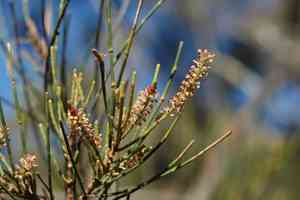
Belah is recognized for its slender, pointed leaves and vigorous development. Trim in the latter part of winter or early spring to sculpt and manage its dimensions. Eliminate any lifeless or impaired limbs and reduce crowded sections to enhance air movement. Refrain from over-pruning, as this could cause strain to the plant. Consistent trimming fosters a sturdy framework and thriving development. Employ sanitized, keen implements to avert the dissemination of pathogens. These methods guarantee a flourishing and meticulously kept look for belah.
What Are the Benefits of Pruning Belah?
What Are the Benefits of Pruning Belah?
Trimming belah promotes robust development, preserves its form, and averts problems like excessive density. Regular trimming aids in enhancing air movement, thereby lowering the chances of pests and illnesses. By selectively eliminating old or weak branches, the plant can direct energy towards healthy growth.
What Is the Best Time for Pruning Belah?
What Is the Best Time for Pruning Belah?
Trimming belah during early spring and late winter is optimal as it allows the plant to recuperate before its active growth period commences. During these times, belah is typically dormant or experiencing minimal growth, reducing the risk of stressing the plant. Furthermore, this timing helps avert potential harm from pests and diseases that are more active in warmer months. Early spring and late winter offer the chance for pruning before new growth begins, ensuring a healthier and more vigorous growth cycle for the plant.
What Tools Do I Need to Prune Belah?
Hand Pruners
Perfect for snipping smaller branches and shoots up to 1 inch in diameter. Their keen blades deliver precise cuts, minimizing harm to belah.
Loppers
Useful for severing thicker branches between 1 to 2 inches in diameter. The extended handles provide additional leverage, simplifying the task of pruning hard-to-reach areas of belah.
Pruning Saw
Essential for removing larger branches that are 2 inches in diameter or more. The saw's sharp teeth ensure a clean cut, lessening the chance of tearing or damaging the bark of belah.
Pole Pruner
Equipped with extendable handles, this tool assists in reaching higher branches without requiring a ladder, which is particularly advantageous given belah's potential height.
Hedge Shears
Effective for shaping and maintaining the overall look of belah, especially if utilized in landscape design for a more formal appearance.
How to Prune Belah
Assess
Examine belah carefully to pinpoint dead and diseased branches. Look for branches lacking leaves, possessing a brittle texture, or showing signs of decay.
Sterilize
Before making any cuts, sanitize your pruning tools with a solution of one part bleach to nine parts water to prevent the spread of disease.
Remove dead branches
Using sharp, sterilized pruning shears, cut dead branches back to the nearest healthy lateral branch or to the branch collar, avoiding cuts that leave stubs.
Remove diseased branches
Trim diseased branches well below the affected area to ensure all infected tissue is removed. Place these branches in a trash bag immediately to prevent spreading the disease.
Cleanup
Gather all cuttings and dispose of them properly to maintain garden hygiene. Clean and sterilize your tools again after pruning.
Common Pruning Mistakes with Belah
Over-pruning
Excessive removal of branches can stress belah, leading to poor growth and making it susceptible to disease.
Incorrect cuts
Making improper cuts, such as leaving stubs or making cuts too close to the trunk, can damage belah and hinder its ability to heal.
Pruning at the wrong time
Although the best season is excluded, pruning at inappropriate times, such as during extreme heat or cold, can add stress to belah and negatively impact its health.
Neglecting tool sterilization
Using unclean pruning tools can introduce diseases and pests to belah, which can be detrimental to its well-being.
Common Pruning Tips for Belah
Use sharp, clean tools
Ensure your pruning shears are sharp and sterilized to make clean cuts and prevent disease transmission.
Make clean cuts
Cut branches at a slight angle just outside the branch collar to promote proper healing and prevent damage.
Remove dead or diseased wood
Regularly inspect belah and prune away any dead, damaged, or diseased branches to maintain its health and vigor.
Thin out crowded branches
Remove any excess branches that can lead to overcrowding. This improves air circulation and light penetration, reducing the risk of fungal infections.
Focus on shaping
Prune belah to maintain a natural shape and encourage a strong, sturdy structure. Avoid drastic shaping that contradicts its inherent growth habit.
Be mindful of the plant's growth pattern
Understand the natural growth habit of belah and prune accordingly to support its structural integrity and aesthetic appeal.



