How to Transplant Bitter evergreen chinkapin?
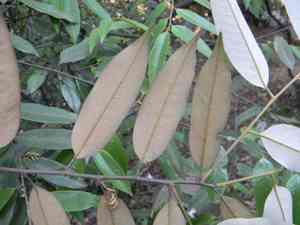
For bitter evergreen chinkapin, the ideal period for relocation extends from the latter part of spring into the initial phase of summer, or from the gradual onset of autumn through early winter. Select a location that receives both sunlight and partial shade, making sure the ground offers good drainage and is rich in nutrients. A helpful tip: exercise caution with bitter evergreen chinkapin's fragile root system during this process to ensure its successful establishment.
What Preparations are Needed Before Transplanting Bitter Evergreen Chinkapin?
What is the Ideal Time for Transplanting Bitter Evergreen Chinkapin?
The optimal period for relocating bitter evergreen chinkapin spans from the vigor of late spring into the warmth of mid-summer, or during the mild coolness from mid-autumn to the start of early winter. Moving bitter evergreen chinkapin during these times takes advantage of moderate temperatures and sufficient moisture, promoting better root establishment and recovery from stress. With roots settling in favorable conditions, bitter evergreen chinkapin will flourish, demonstrating resilience and development. Seize these opportune moments to ensure the health and vitality of bitter evergreen chinkapin.
How Much Space Should You Leave Between Bitter Evergreen Chinkapin Plants?
When preparing a new home for bitter evergreen chinkapin, ensure ample room for growth â a spacing of approximately 15-20 feet (4.5-6 meters) will suffice. This provides each plant with enough area to expand its root system and thrive.
What is the Best Soil Mix for Bitter Evergreen Chinkapin Transplanting?
For bitter evergreen chinkapin, proper ground preparation is crucial. Utilize well-draining soil, rich in organic matter. Incorporating a balanced, slow-release fertilizer into the planting hole will provide bitter evergreen chinkapin with an excellent start. Consider it a comfortable bed for your plant's roots!
Where Should You Relocate Your Bitter Evergreen Chinkapin?
Select a sunny location for your bitter evergreen chinkapin that receives partial to full sunlight. This translates to at least 4 to 6 hours of direct sun daily. A bright spot, protected from the most intense midday rays, will make bitter evergreen chinkapin most content.
What Equipments Should You Prepare Before Transplantation Bitter Evergreen Chinkapin?
Gardening Gloves
To safeguard your hands while handling soil and the plant.
Shovel or Spade
To excavate the bitter evergreen chinkapin without harming its root ball.
Watering Can or Hose
For hydrating the bitter evergreen chinkapin before, during, and after the relocation process.
Wheelbarrow or Garden Cart
To move the bitter evergreen chinkapin from its original spot to the new site.
Pruning Shears
To trim any damaged roots or foliage prior to transplanting.
Garden Trowel
For precise work around the plant's root area.
Measuring Tape
To assist in spacing the new location according to the bitter evergreen chinkapin's mature size.
Plant Stake or Support Structure
To stabilize the bitter evergreen chinkapin in its new position, if required.
Mulch
To aid in retaining soil moisture around the bitter evergreen chinkapin following transplantation.
How Do You Remove Bitter Evergreen Chinkapin from the Soil?
How Do You Remove Bitter Evergreen Chinkapin from the Soil?
From Ground: First, thoroughly water the bitter evergreen chinkapin to ensure moist soil and minimize transplant shock. Using your shovel or spade, carefully dig a trench around the plant, maintaining a wide distance to avoid cutting into the root system. Next, angle the shovel beneath the root ball and gently lift the plant from the ground, preserving as much soil around the roots as possible.From Pot: Water the bitter evergreen chinkapin to moisten the root ball. Place your hand on the soil surface with the plant stem between your fingers, invert the pot, and gently tap the bottom to dislodge the plant. Support the root ball as you slowly extract the bitter evergreen chinkapin from the pot to reduce stress on the plant.From Seedling Tray: Water the seedling tray to ensure the soil is damp and roots are hydrated. Use a garden trowel or similar tool to carefully lift each bitter evergreen chinkapin seedling from its cell, keeping the soil and roots intact as much as possible. Handle the seedling by the root ball rather than the stem to prevent damage.
Step-by-Step Guide for Transplanting Bitter Evergreen Chinkapin
Plant Removal
Carefully extract the bitter evergreen chinkapin from its initial spot, ensuring the root system remains undamaged during the process.
Hole Preparation
Excavate a hole in the new location that is twice the width of the root ball and of equal depth. This facilitates easy root expansion.
Placement
Position the bitter evergreen chinkapin in the center of the hole, making sure it sits at the same depth as it did in its original location. The top of the root ball should be level with the surrounding soil surface.
Soil Backfill
Gently refill the hole with soil, lightly tamping down around the root ball to eliminate air pockets and ensure firm contact with the roots.
Watering
Thoroughly water the bitter evergreen chinkapin at its base to settle the soil and hydrate the roots, which helps alleviate transplant shock.
Staking
If the bitter evergreen chinkapin is tall or top-heavy, insert a stake on the side facing the wind and gently secure the plant to it for support.
Mulching
Apply a layer of mulch around the base to conserve moisture and regulate soil temperature, keeping the mulch a few inches away from the stem.
How Do You Care For Bitter Evergreen Chinkapin After Transplanting?
Regular Watering
Ensure the bitter evergreen chinkapin receives sufficient water to maintain consistent soil moisture, which is crucial for the recovery and establishment of its root system.
Stability Maintenance
Periodically inspect the plant stake or support structure and adjust as needed to keep the bitter evergreen chinkapin adequately supported as it grows.
Monitoring Plant Health
Observe the bitter evergreen chinkapin for indications of stress, such as wilting, yellowing, or leaf drop, and take corrective measures if necessary.
Pruning
Remove any dead or damaged foliage to help the bitter evergreen chinkapin direct its energy towards new growth and root establishment.
Troubleshooting Common Issues with Bitter Evergreen Chinkapin Transplantation.
When's the best time to transplant bitter evergreen chinkapin?
The optimal period is late spring through mid-summer or autumn to early winter to ensure minimal stress on the plant.
How much space does bitter evergreen chinkapin need when transplanting?
Space bitter evergreen chinkapin 15-20 feet apart (4.5-6 meters) to allow for ample growth and air circulation.
Why are my transplanted bitter evergreen chinkapin leaves turning yellow?
Yellowing leaves can indicate transplant shock. Ensure proper watering, avoid excessive sunlight, and consider adding nutrients to the soil.
How deep should the hole be for transplanting bitter evergreen chinkapin?
Dig a hole twice as wide and the same depth as the root ball to encourage easy root expansion.
Can I transplant bitter evergreen chinkapin during hot summer days?
Transplanting during extreme heat can stress bitter evergreen chinkapin. Aim for cooler parts of the day and ensure adequate watering.
How often should I water bitter evergreen chinkapin after transplanting?
Water thoroughly after planting and then regularly, allowing the topsoil to dry out slightly between waterings.
Should I fertilize bitter evergreen chinkapin right after transplanting?
Wait several weeks before fertilizing to prevent root burn and give bitter evergreen chinkapin time to adjust to its new location.
How do I protect bitter evergreen chinkapin from transplant shock?
Gradually acclimate bitter evergreen chinkapin to its new environment, ensure adequate watering, and provide shade from strong sun for a few days post-transplant.
What signs indicate successful bitter evergreen chinkapin transplantation?
New growth, vibrant green foliage, and a stable plant are good indicators of successful transplantation.
Can I transplant bitter evergreen chinkapin in winter?
Transplantation during the dormant phase in mid-fall to early winter can be successful, but avoid freezing temperatures.



