How to Prune Bitter evergreen chinkapin?
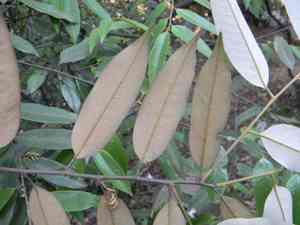
This wide-leaved perennial flourishes in adequately drained ground and filtered sunlight. Trimming of bitter evergreen chinkapin ought to take place in the dormant period of winter, concentrating on excising lifeless or ailing branches and preserving the intended form. Reducing dense limbs improves light access and air movement, fostering the plant's well-being. Refrain from severe cutting since bitter evergreen chinkapin withstands only moderate shaping. The advantages of pruning encompass invigorated development, heightened robustness, and a more pleasing appearance. Refer to credible gardening resources for optimal techniques tailored to bitter evergreen chinkapin.
Advantages of Trimming Bitter Evergreen Chinkapin
Advantages of Trimming Bitter Evergreen Chinkapin
Trimming bitter evergreen chinkapin promotes robust new development and maintains its desired form. Strategic cuts enhance light penetration and air circulation, fostering strong health and preventing illness.
Optimal Time for Pruning Bitter Evergreen Chinkapin
Optimal Time for Pruning Bitter Evergreen Chinkapin
Pruning bitter evergreen chinkapin in late winter to early spring allows for the removal of cold-damaged branches and shapes the plant before its spring growth surge. This timing minimizes stress as the plant is still dormant and can recover quickly as temperatures rise. It also prevents cutting off future leaves or flowers, preserving the plant's aesthetic appeal. Furthermore, pests and diseases are less common then, reducing infection risk at pruning sites.
Essential Tools for Pruning Bitter Evergreen Chinkapin
Hand Pruners
Suitable for cutting small branches and twigs of bitter evergreen chinkapin. Their precision and control are crucial for making clean cuts without harming the plant's structure.
Loppers
Ideal for reaching higher branches and cutting slightly thicker branches that hand pruners cannot handle. The long handles provide leverage for cutting through tougher stems.
Pruning Saw
Necessary for cutting branches thicker than 1.5 inches. It allows for removing large limbs without damaging the rest of bitter evergreen chinkapin.
Pole Pruner
Useful for reaching higher branches without a ladder. This is particularly beneficial when pruning bitter evergreen chinkapin if it has grown significantly tall.
Gardening Gloves
To protect hands from sharp edges and potential skin irritants found on bitter evergreen chinkapin.
Shears
Appropriate for shaping and controlling the size of bitter evergreen chinkapin, especially for maintaining the plant's aesthetic and health.
How to Prune Bitter Evergreen Chinkapin
Clean and sharpen tools
Prepare clean, sharp pruning shears or saws to ensure clean cuts and reduce the risk of spreading disease to bitter evergreen chinkapin.
Identify branches
Inspect bitter evergreen chinkapin to locate dead or diseased branches by looking for branches with no leaves, brittle bark, or visible signs of infection.
Prune dead branches
Carefully remove dead branches, cutting at a 45-degree angle just above a bud or another branch to promote healthy new growth, avoiding damage to the collar.
Cut diseased branches
Prune diseased branches well below the affected area to prevent the spread of disease. Make sure to cut into healthy, uninfected wood.
Disinfect tools
After each cut on a diseased branch, disinfect the pruning tools with a solution of one part bleach to nine parts water to prevent transmitting the disease to other parts of bitter evergreen chinkapin or to other plants.
Common Pruning Errors with Bitter Evergreen Chinkapin
Overpruning
Removing too much foliage from bitter evergreen chinkapin at once can stress the plant, leading to weak growth or increased susceptibility to pests and diseases.
Improper cut location
Cutting too far from or too close to the bud on bitter evergreen chinkapin can hinder proper healing and regrowth, potentially causing dieback or creating entryways for pathogens.
Using dull tools
Pruning bitter evergreen chinkapin with dull or unclean tools can result in jagged cuts that take longer to heal and might increase the chances of disease infection.
Neglecting diseased branches
Failing to remove diseased or damaged wood from bitter evergreen chinkapin can allow disease to spread throughout the plant, impacting overall health.
General Pruning Advice for Bitter Evergreen Chinkapin
Selective pruning
Aim to remove only the specific branches on bitter evergreen chinkapin that are dead, diseased, or overcrowding to maintain plant health without stunting growth.
Clean cuts
Make clean and angled cuts just above a leaf node or bud to encourage healthy regrowth on bitter evergreen chinkapin without damaging the plant.
Disinfect pruning tools
Before and after pruning bitter evergreen chinkapin, disinfect your tools to prevent the spread of pathogens between plants.
Thin out center
Thin out the center of bitter evergreen chinkapin to improve air circulation and light penetration, which helps prevent fungal diseases and promotes even growth.



