The Bitter evergreen chinkapin Plant Advantage: Maximizing Home and Office Appeal and Wellness
1
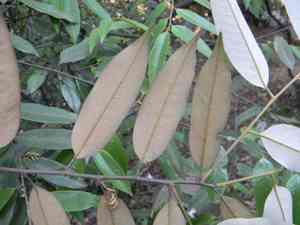
The Bitter evergreen chinkapin, an evergreen, is packed with antioxidants, benefiting general well-being.
2
It aids in preserving soil and minimizing soil loss.
3
Natural dyes can be extracted from the foliage of the Bitter evergreen chinkapin.
What Nutritional Benefits Does Bitter evergreen chinkapin Offer?
Rich Source of Antioxidants
Bitter evergreen chinkapin is well-known for its elevated antioxidant content. These compounds aid in combating oxidative stress within the body, thereby playing a crucial role in lowering the risk of chronic illnesses. Antioxidants are vital for overall health as they help neutralize free radicals, thus preventing cellular damage.
Packed with Essential Nutrients
The nuts and seeds of Bitter evergreen chinkapin are abundant in crucial nutrients including vitamins A, C, and E, along with minerals such as magnesium, potassium, and zinc. These nutrients are fundamental for maintaining a balanced diet and ensuring the proper functioning of various bodily systems.
How Does Bitter evergreen chinkapin Support Environmental Sustainability?
Soil Conservation
Bitter evergreen chinkapin plays a vital role in preventing soil erosion. Its robust root system helps to stabilize the earth, reducing the impact of heavy rainfall and wind. Through this, it aids in maintaining soil fertility and preventing land degradation.
Carbon Sequestration
Bitter evergreen chinkapin is also important for its capacity to absorb carbon dioxide from the atmosphere. This contributes to mitigating climate change by reducing the overall levels of greenhouse gases.
What Are the Uses of Bitter evergreen chinkapin in Traditional Practices?
Natural Dyeing
The leaves of Bitter evergreen chinkapin have been historically utilized for natural dyeing. The leaves yield a rich, dark hue that is used to sustainably color fabrics. This practice not only supports eco-friendly clothing but also preserves traditional craft techniques.
Crafting and Handicrafts
The durable wood from Bitter evergreen chinkapin is employed in various handicrafts and traditional constructions. The wood's strength and texture make it an excellent material for creating tools, furniture, and other craft items.
How Can Bitter evergreen chinkapin Be Incorporated into Landscaping?
Aesthetic Value
Bitter evergreen chinkapin is an excellent addition to any landscape due to its evergreen nature and visual appeal. Its lush, green foliage persists throughout the year, providing a constant source of greenery and making it ideal for creating natural barriers or decorative elements in gardens.
Wildlife Habitat
Bitter evergreen chinkapin serves as a refuge for various wildlife species. Birds, insects, and mammals find shelter within its sprawling branches and utilize it as a food source. Planting Bitter evergreen chinkapin in your landscape can contribute to biodiversity conservation.
What Are the Economic Benefits of Bitter evergreen chinkapin?
Local Economies
Bitter evergreen chinkapin contributes significantly to local economies, especially those in rural areas. The nuts can be harvested and sold, providing a source of income for local farmers. The wood can be processed into various products, generating additional revenue streams.
Market Demand
Given its numerous applications ranging from food to craft materials, the demand for Bitter evergreen chinkapin is continuously increasing. By catering to this demand, local businesses can flourish, and sustainable economic models can be developed.



