How to Transplant Goatwood?
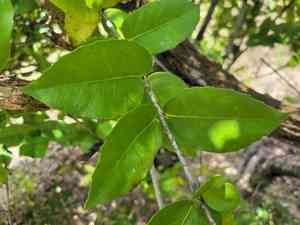
The most favorable period for relocating goatwood is from mid to late spring, a time that guarantees vigorous development. Choose a location offering partial sunlight and soil that drains effectively, and bear in mind that careful handling promotes the goatwood's root health.
What Preparations are Needed Before Transplanting Goatwood?
What is the Ideal Time for Transplanting Goatwood?
The perfect time to move goatwood is in the middle of spring. This period offers balanced weather, allowing roots to settle well before summer heat. Moving it then uses the plant's natural growth cycle, promoting strong recovery and vigor after the move. It truly maximizes goatwood's potential to thrive in its new spot with spring moisture and warming soil.
How Much Space Should You Leave Between Goatwood Plants?
Ready to rehome your goatwood? Begin by marking out your planting spots. Aim for 15-20 feet apart, which is roughly 4.5-6 meters. This provides your goatwood ample room to grow without crowding its neighbors.
What is the Best Soil Mix for Goatwood Transplanting?
For your goatwood, prepare an ideal soil environment! Start with fertile, well-draining soil. Incorporate some balanced, slow-release fertilizer for added nutrients. This creates a welcoming spot for your goatwood's roots to settle.
Where Should You Relocate Your Goatwood?
Find a location for your goatwood that gets sun to partial shade. They enjoy bright light but appreciate a break from intense midday sun. A spot with morning sun and afternoon shade is perfect for their growth and well-being.
What Equipments Should You Prepare Before Transplantation Goatwood?
Gardening Gloves
To safeguard your hands while handling soil and the plant.
Shovel or Spade
For digging around and lifting the root ball of goatwood.
Hand Trowel
To assist with more precise digging and maneuvering near the roots.
Watering Can or Hose
To hydrate the plant prior to and following its relocation.
Pruning Shears
To trim any damaged roots or excessive growth before the transplant.
Wheelbarrow or Garden Cart
To move the plant and soil without causing harm.
Measuring Tape
To determine the correct depth for planting the root ball.
Soil Amendment
To enhance the soil quality at the new site, if necessary.
How Do You Remove Goatwood from the Soil?
How Do You Remove Goatwood from the Soil?
From Ground: First, water the goatwood plant to moisten the soil. Next, dig a wide trench around the plant using a shovel or spade, making sure to keep as much of the root ball intact as possible. Once the trench is deep enough, use the spade to gently pry and loosen the root ball, then carefully lift the plant from its original spot.From Pot: Water the goatwood to facilitate easier removal. Turn the pot on its side and tap the bottom to loosen the root ball. Gently slide the plant out, supporting the root ball to prevent damage. If the roots are tightly bound, carefully untangle them.From Seedling Tray: Water the tray thoroughly before beginning. Use a hand trowel or dibber to carefully extract the soil and root mass from the tray. Be gentle to avoid harming the delicate roots and shoots of goatwood.
Step-by-Step Guide for Transplanting Goatwood
Preparation
Ensure all necessary tools and equipment are ready. Water the goatwood thoroughly before starting the transplant to minimize shock.
Root Ball Management
Dig carefully around the root ball to avoid cutting into it. Create a clear space for lifting the plant from its current spot with minimal stress.
Lifting Technique
Slide the shovel under the root ball and lift steadily. Hold the plant at its base and keep the root ball intact as much as possible during removal and transport.
Transplanting Hole
At the new site, dig a hole twice as wide and the same depth as the root ball to allow for easy placement and root expansion.
Plant Positioning
Place goatwood in the center of the hole, ensuring it stands upright. The top of the root ball should be level with the surrounding ground.
Soil Refill
Backfill the hole with native soil or a mixed amendment if needed, gently but firmly packing it to remove air pockets around the roots.
Initial Watering
Water the area well after transplanting to settle the soil. Add more soil if sinking occurs after watering to maintain the level.
How Do You Care For Goatwood After Transplanting?
Immediate Care
Water the goatwood generously right after transplanting to aid in shock recovery.
Stabilization
Support the plant, if needed, with stakes until it is strong enough to withstand wind and weather on its own.
Monitor Health
Look for signs of stress, such as wilting or yellowing, and address them promptly with appropriate care.
Routine Watering
Maintain a consistent watering schedule to keep the soil moist, but avoid over-watering which can lead to root rot.
Mulching
Apply mulch around the base to retain moisture, regulate soil temperature, and deter weeds.
Troubleshooting Common Issues with Goatwood Transplantation.
When is the best time to transplant goatwood?
For successful transplantation, aim for mid to late spring when the weather is mild.
How far apart should I space goatwood when transplanting?
Ensure each goatwood has a generous room to flourish by spacing them 15-20 feet (4.5-6 meters) apart.
Why are my transplanted goatwood's leaves wilting?
Leaf wilt may result from water stress. Ensure consistent moisture, but avoid overwatering.
What should I do if goatwood isn't thriving post-transplant?
Check for proper sunlight, watering, and soil conditions. Amend the soil and adjust care as necessary.
How deep should I dig the hole for transplanting goatwood?
Dig a hole twice as wide and equal in depth to the root ball of goatwood.
Can I transplant goatwood on a hot day?
It's best to transplant during cooler parts of the day or overcast weather to reduce stress on goatwood.
What kind of soil is ideal for transplanting goatwood?
Use well-draining soil rich in organic matter to give goatwood a good start.
Should I prune goatwood before transplanting?
Light pruning can help goatwood focus energy on root development. Just trim any damaged or excessive growth.
Is it necessary to fertilize goatwood during transplanting?
Wait until goatwood is established before fertilizing. Initially, focus on proper planting and watering.
What signs of root establishment should I look for in transplanted goatwood?
New growth, such as leaves and stems, is a positive sign that goatwood is establishing its roots well.



