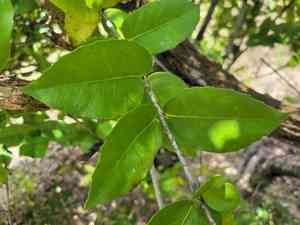
Goatwood (Cassipourea guianensis)
Also known as: None
Goatwood, known for its reddish timber and flaky bark, is well-suited to tropical and subtropical forest environments. It thrives in humid, lowland to montane rainforests, thanks to its efficient root system. This tree, with its simple leaves and small, inconspicuous flowers, plays a crucial role in its ecosystem, providing habitat and resources.
In This Article
Attributes of Goatwood
Lifespan
Perennial
Plant Type
Tree, Shrub
Plant Height
18 m
Spread
The crown diameter ranges from 4 to 6 meters.
Leaf Color
Dark green
Flower Size
Approximately 1 cm
Flower Color
White
Images of Goatwood
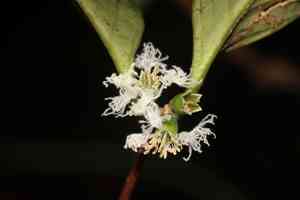
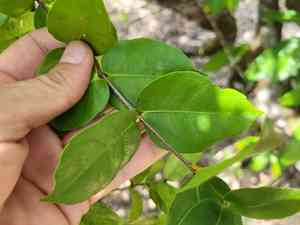
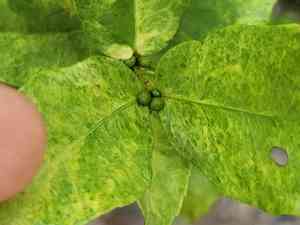
Quickly Identify Goatwood
1
This plant can be identified by its leathery, evergreen leaves, which are glossy and have entire margins. The flowers are small and white, blooming in clusters.
Scientific Classification of Goatwood
Phylum
Vascular plants
Class
Dicotyledons
Order
Malpighiales
Family
Red mangrove
Genus
Cassipourea
Species
Goatwood
Planting and Growing of Goatwood
Care Difficulty
Moderate
Watering Schedule
Every 3 days
Sunlight Requirements
Partial sun
Sunshine Duration
4-6 hours
Ideal Temperature
70-85℉
Soil Type
Potting Mix, Peat Mix
Soil pH
5.5-7.5
Fertilizer Type
Balanced
Pruning Season
Spring, Summer
Pruning Area
Branches, Leaves
Pruning Frequency
Once a year
Repotting Season
Spring
Pot Type
Ceramic, Plastic
 How to Water Goatwood?
Cassipourea guianensis thrives on moderate watering. It's essential to water it with about 500 ml each time, ensuring that the entire root system is well moistened without causing water logging. The soil should feel evenly damp but not soggy, mimicking the plant’s natural tropical conditions.
What are the symptoms of an underwatered Goatwood?
›
What should I do if my Goatwood is not getting enough water?
›
What are the symptoms of an overwatered Goatwood?
›
How to save an overwatered Goatwood?
›
 What Are the Sunlight Requirements for Goatwood?
Cassipourea guianensis ideally requires partial sun, meaning around 4 to 6 hours of dappled light. This optimal range promotes healthy leaf coloration, improves flowering possibilities, and supports robust plant health by balancing photosynthetic needs without causing stress.
How much sunlight does Cassipourea guianensis need?
›
What is the optimal sunlight direction for this plant?
›
What are the benefits of ideal lighting for Cassipourea guianensis?
›
 What Is the Ideal Temperature Range for Goatwood?
Cassipourea guianensis thrives best within an ideal temperature range of 70°F to 85°F. Maintaining this range ensures optimal physiological processes such as photosynthesis and nutrient uptake, enhancing overall plant health and growth. This range mimics the plant's natural habitat, supporting robust development.
 What Soil is Best for Goatwood?
Cassipourea guianensis thrives in well-drained soils that prevent water from stagnating. This helps in avoiding root rot and promotes healthy growth. A nutrient-rich soil ensures the plant receives essential nutrients for vigorous growth and vibrant foliage, contributing to its overall health. The soil should maintain moderate moisture, neither too dry nor too wet, to facilitate steady growth and prevent dehydration or waterlogging.
 How to Fertilize Goatwood?
Cassipourea guianensis thrives well with moderate fertilization. For liquid fertilizers, use about 1/4 teaspoon per gallon of water. Ensure the fertilizer is diluted properly to avoid nutrient burn and evenly distributed around the base.
 How to Prune Goatwood?
Start by identifying dead or diseased branches, which should be removed to prevent further spread of illnesses. Look for discolored, broken, or wilted branches and prioritize these for cutting to encourage healthy growth throughout the plant. When pruning, make your cuts at a 45-degree angle just above a leaf node or bud. This encourages new growth to emerge from the right places, ensuring the plant remains dense and aesthetically pleasing. Avoid cutting too close or leaving too much of a stub, which can harm the plant.
More About Pruning Techniques→
 How to Propagate Goatwood plant?
1
First, collect mature seeds from a healthy Cassipourea guianensis plant. Clean them properly to remove any fruit pulp and let them dry before planting.
2
Select a healthy stem and cut it to about 4-6 inches long. Remove the lower leaves to expose nodes which help in root development when planted.
3
For seeds, place them in a seedling tray filled with a mix of soil and compost. Cover lightly with soil. For cuttings, dip them in rooting hormone and plant them in well-draining soil.
 How to Repot Goatwood plant?
1
Cassipourea guianensis requires repotting when its roots start circling the pot or emerge from the drainage holes, indicating that it's becoming root-bound. The plant may also display slowed growth or water may not drain as efficiently, both signals for repotting.
2
Select a pot that is one size larger than the current one, ensuring it has sufficient drainage holes. This helps avoid waterlogging while providing the roots more space to expand, promoting healthier growth without overwhelming the soil and risking rot.
3
Opt for a rich, well-draining soil mix combining equal parts peat, perlite, and pine bark. This blend offers essential nutrients while allowing excess moisture to escape, thus preventing root rot and supporting robust plant development.
Toxicity
Ingestion of leaves, stems, or seeds
WARNING
The judgment on toxicity and danger is for reference only. We DO NOT GUARANTEE any accuracy of such judgment. Therefore, you SHALL NOT rely on such judgment. It is IMPORTANT TO SEEK PROFESSIONAL ADVICE in advance when necessary.
Learn More About Goatwood Diseases
Anthracnose
Bacterial Leaf Spot
Bacterial Soft Rot
Bacterial Wilt
Black Spot
Chemical Injury
Crown Gall
Cyst Nematode
Damping-off
Downy Mildew
Drought Stress
Fusarium Wilt
Gray Mold
Leaf Curl
Leaf Spot
Mosaic
Nutrient Deficiency
Nutrient Toxicity
Powdery Mildew
Root Rot
Root-knot Nematode
Rusts
Sooty Mold
Spider Mites
Temperature Stress
Thrips Damage
White Mold



