How to Prune Goatwood?
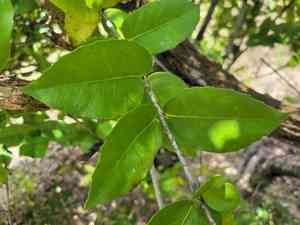
Goatwood, a tropical evergreen tree celebrated for its robust timber, flourishes with judicious trimming to preserve its structure and facilitate air circulation. Perform pruning during its dormant phase in winter, eliminating deceased or congested limbs, which fosters robust development and deters ailments. Refrain from extensive cutting to uphold the tree's inherent silhouette. Pruning guarantees energetic regrowth, elevates its visual charm, and extends the lifespan of goatwood.
What Are the Benefits of Pruning Goatwood?
What Are the Benefits of Pruning Goatwood?
Trimming goatwood promotes robust development and helps maintain its desired form, enhancing overall plant vitality and visual appeal.
What Is the Best Time for Pruning Goatwood?
What Is the Best Time for Pruning Goatwood?
Pruning goatwood during late winter to early spring is advantageous as the plant is dormant, minimizing stress and disease risk. Trimming before new growth begins encourages vigorous spring development and aids in preserving plant health and shape. Furthermore, this timing allows gardeners to easily spot dead or diseased wood without leaf obstruction. It also prevents cutting off newly formed buds that would produce flowers or fruits in the upcoming season.
What Tools Do I Need to Prune Goatwood?
Hand Pruners
Perfect for snipping small branches and stems. Goatwood may have minor branches that require clean cuts to foster healthy growth. Bypass pruners are recommended for their precise cuts and minimal plant tissue damage.
Lopping Shears
Suitable for trimming larger branches that hand pruners cannot manage. Goatwood can develop branches up to 1.5 inches thick, which lopping shears can cut through without causing excessive plant stress.
Pruning Saw
Essential for removing even larger branches. Goatwood may occasionally have thick, mature branches that necessitate a saw for pruning. A fine-toothed pruning saw is appropriate to ensure smooth cuts that heal more effectively.
Hedge Shears
Useful for shaping and maintaining goatwood's overall form, especially if it's kept as a hedge or in a specific shape. These shears are ideal for trimming foliage and small branches in bulk.
Pole Pruner
For reaching higher branches without needing a ladder. If goatwood grows tall, a pole pruner can safely trim branches that are out of normal reach.
How to Prune Goatwood
Clean tools
Before starting, sanitize pruning tools with a bleach or alcohol solution to prevent disease spread to goatwood.
Identify
Examine goatwood for dead or diseased branches, which may appear discolored, shriveled, or show signs of fungal growth or insect damage.
Cut dead branches
Using sharp, clean pruning shears, make cuts on dead branches at a 45-degree angle, approximately ¼ inch above an outward-facing bud on goatwood to promote external growth.
Remove diseased branches
Trim diseased branches well below the affected area to ensure complete removal of any diseased tissue from goatwood, preventing spread to healthy parts.
Dispose
Safely discard all removed material away from goatwood and other healthy plants to prevent potential disease transmission.
Common Pruning Mistakes with Goatwood
Over-pruning
A frequent error is removing too much foliage, which can stress goatwood and diminish its vigor. Gardeners should avoid cutting back more than one-third of the plant's growth.
Improper cut locations
Another mistake is making cuts either too close or too far from the nodes on goatwood. Cuts too close can harm the node, while cuts too far can leave unsightly stubs and potentially invite disease.
Using dull tools
Employing dull pruning tools can result in jagged cuts and damage goatwood. Ensuring tools are sharp leads to cleaner cuts, which are better for the plant's recovery.
Neglecting tool hygiene
Not sterilizing tools before use can spread diseases from one plant to another. It's crucial to clean and sterilize tools before and after pruning goatwood.
Excessive topping
Topping, or cutting off the entire top of the plant, is usually unnecessary and can lead to weak new growth. It's best to selectively prune goatwood to maintain its natural shape.
Common Pruning Tips for Goatwood
Selective pruning
Practice selective pruning by removing only dead, diseased, or crossing branches to maintain goatwood's health and appearance. This will also improve air circulation within the plant.
Cutting technique
Make clean, angled cuts just above a healthy node to encourage proper growth patterns in goatwood. The angle should be away from the node to prevent water collection on the cut surface.
Tool selection
Use appropriate tools such as hand pruners, loppers, or a pruning saw depending on the size of the branches to be pruned on goatwood. Using the correct tool will make the task easier and prevent undue injury to the plant.
Timing of pruning
Goatwood should be pruned at times when it is least likely to cause undue stress to the plant. While specific seasonal timing is excluded, consider the plant's growth cycle and health.
Remove water sprouts and suckers
Eliminate water sprouts (vigorous vertical growth shoots) and suckers (growth from the root area) as they can consume energy and detract from goatwood's overall form.



