The Goatwood Plant Advantage: Maximizing Home and Office Appeal and Wellness
1
Goatwood aids in securing soil and preventing its loss.
2
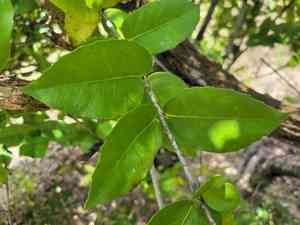
Its foliage has historically been utilized for diverse advantageous characteristics.
3
Goatwood fosters regional biodiversity by offering a sanctuary for animals.
Why is Goatwood Crucial for Soil Stability?
Naturally Prevents Erosion
Goatwood plays a vital role in preventing soil erosion due to its complex root system. Its roots help bind the soil, reducing landslide risk and preserving landscape integrity. This natural soil stabilization is essential in areas prone to heavy rain and erosion.
Improves Soil Quality
Furthermore, Goatwood aids in boosting soil fertility. Decomposing leaf litter from the plant adds organic matter to the soil, enriching it with nutrients. This process not only enhances soil quality but also supports regional agricultural activities.
How Does Goatwood Support Local Biodiversity?
Wildlife Habitat
Goatwood offers a critical habitat for various bird, insect, and small mammal species. Its dense foliage and strong branches provide shelter and nesting sites, helping maintain local biodiversity. Such ecosystems are crucial for many species' survival, contributing to ecological balance.
Promotes Pollination
The plant's blossoms attract pollinators like bees and butterflies, which are key to the pollination process. This benefits not only Goatwood but also other plant species nearby, fostering a healthy and productive ecosystem.
What Traditional Uses of Goatwood Offer Value?
Medicinal Attributes
Historically, Goatwood leaves and bark have been used in various traditional practices. Coastal communities have utilized its beneficial properties for minor ailments and as part of their local herbal remedies.
Practical Applications
Beyond its medicinal uses, Goatwood has been valued for its sturdy wood. The timber is often used for tools, furniture, and other crafts, highlighting its practical benefits. Even today, the wood remains a valuable resource for sustainable living.
What are Goatwood's Environmental Advantages?
Reduces Carbon Footprint
Goatwood significantly contributes to carbon sequestration. Like many plants, it absorbs atmospheric carbon dioxide during photosynthesis and stores it in its biomass. This ability to capture and store carbon makes Goatwood a crucial ally in combating climate change.
Supports Water Management
The presence of Goatwood in an ecosystem can greatly assist in water management. Its root systems help maintain groundwater levels and facilitate natural water filtration. This results in cleaner and more reliable water sources for local habitats and communities.
How Does Goatwood Enhance Local Livelihoods?
Provides Raw Materials
Local communities rely on Goatwood for various raw materials, including wood, leaves, and bark. These materials are used in daily life, contributing to household economies and supporting traditional practices.
Encourages Sustainable Practices
By fostering the growth and upkeep of Goatwood, communities can engage in more sustainable agricultural and forestry practices. This not only supports environmental conservation but also improves the long-term livelihoods of people in these areas.



