How to Transplant Roxburgh's cassia?
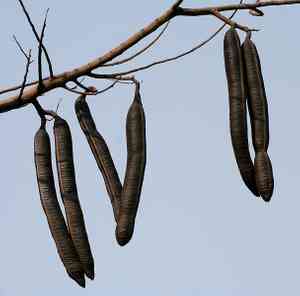
Roxburgh's cassia thrives when relocated between early and mid-spring, benefiting from the soil's increasing warmth. Select a bright spot with soil that drains effectively; guarantee the root system remains intact and moist throughout the procedure for successful integration.
Essential Preparations Before Relocating Roxburgh's Cassia?
When is the Best Time to Move Roxburgh's Cassia?
Roxburgh's cassia, a perennial, is best moved between early and late spring. This period offers ideal soil warmth and moisture, aiding root establishment before summer's heat. Relocating roxburgh's cassia then ensures vigorous growth and adaptation. Performing this task in spring maximizes the plant's survival and vitality, setting a strong foundation for its long life cycle.
What Distance Should Be Maintained Between Roxburgh's Cassia Plants?
For optimal development, transplant roxburgh's cassia maintaining a distance of 20-30 feet (6-9 meters) between each specimen. This spacing promotes adequate air circulation and root expansion, leading to healthier growth.
What is the Optimal Soil Blend for Roxburgh's Cassia Relocation?
Prepare well-drained, loamy soil enriched with organic compost for transplanting roxburgh's cassia. Incorporating a balanced base fertilizer, such as 10-10-10 NPK, will supply crucial nutrients to support initial development.
Where Should You Position Your Roxburgh's Cassia?
Select a sunny spot for transplanting roxburgh's cassia, as this plant thrives in full sun. Place it where it will receive at least 6-8 hours of direct sunlight daily.
What Tools Are Necessary Before Moving Roxburgh's Cassia?
Gardening Gloves
To safeguard your hands while handling soil and the plant.
Shovel or Spade
For excavating holes and trenches.
Hand Trowel
For smaller, more precise digging tasks.
Watering Can or Hose
To hydrate the plant before and after its relocation.
Pruning Shears
To trim any damaged or excess roots.
Wheelbarrow
To transport the plant if it is large.
Stakes and Ties
To provide support for the plant after transplanting, if required.
How Do You Extract Roxburgh's Cassia from Its Current Location?
How Do You Extract Roxburgh's Cassia from Its Current Location?
From Ground: First, water the roxburgh's cassia plant to moisten the soil. Next, dig a wide trench around the plant using a shovel or spade, ensuring the plant's root ball remains intact. Carefully work the spade beneath the root ball to lift the plant from its original spot.From Pot: Water the roxburgh's cassia plant thoroughly to loosen the soil. Gently tap the sides and bottom of the pot to dislodge the root ball. Hold the base of the plant and carefully slide it out of the pot, supporting the roots.From Seedling Tray: Water the seedlings and gently press the bottom of the tray cells to loosen the soil. Use a hand trowel or your fingers to lift the seedlings out, taking care not to harm the roots.
Detailed Instructions for Relocating Roxburgh's Cassia
Prepare the New Site
Ensure the new planting spot is ready with a properly dug hole that is twice the root ball's width and the same depth.
Remove and Examine the Plant
Gently extract the roxburgh's cassia from its initial location, being cautious with the roots, inspect for any damaged sections and prune if necessary.
Position the Plant
Place the root ball in the hole, ensuring it is level with the surrounding ground. The top of the root ball should be at or slightly above soil level.
Backfill and Firm the Soil
Fill the hole with soil, gently firming it around the roots to eliminate air pockets while ensuring the plant is stable and upright.
Water Thoroughly
Water the newly transplanted roxburgh's cassia extensively to help settle the soil and encourage root establishment.
How Do You Care For Roxburgh's Cassia After Relocation?
Watering
Keep the soil around the roxburgh's cassia consistently moist, but not waterlogged, for the initial few weeks post-transplant to aid in strong root development.
Mulching
Apply a layer of mulch around the plant's base to retain moisture, regulate soil temperature, and suppress weeds.
Staking
If the roxburgh's cassia is tall or in a windy area, consider staking it to provide support and prevent damage.
Monitoring
Regularly inspect the roxburgh's cassia for indications of stress, disease, or pests, and take appropriate action.
Pruning
Remove any dead or damaged leaves and branches to promote healthy growth.
Addressing Common Issues with Roxburgh's Cassia Relocation.
What's the optimal period to move roxburgh's cassia?
Relocate roxburgh's cassia from early spring to late spring for best outcomes and robust growth.
How should I space roxburgh's cassia when moving it?
Space roxburgh's cassia 20-30 feet (6-9 meters) apart to allow ample room for development.
How do I prepare the soil for roxburgh's cassia?
Ensure well-draining soil enriched with compost to provide nutrients and proper drainage for roxburgh's cassia.
What size hole should I dig for roxburgh's cassia?
Dig a hole twice the width and the same depth as the root ball of roxburgh's cassia.
How can I minimize transplant shock for roxburgh's cassia?
Water roxburgh's cassia thoroughly and use a root stimulant to lessen stress and encourage root development.
Should I prune roxburgh's cassia before moving it?
It's beneficial to prune any damaged or excessively long roots before relocating roxburgh's cassia.
How often should I water roxburgh's cassia after moving it?
Water roxburgh's cassia deeply once a week, decreasing frequency as it establishes itself in the new spot.
Is mulching beneficial for roxburgh's cassia?
Applying a 2-3 inch (5-7.5 cm) layer of mulch helps retain moisture and regulate soil temperature.
Can I fertilize roxburgh's cassia immediately after moving it?
Avoid fertilizing right away; wait until roxburgh's cassia shows new growth to begin a light fertilization routine.
What should I do if roxburgh's cassia shows signs of wilting?
Increase watering frequency temporarily and ensure roxburgh's cassia is shielded from direct, intense sunlight.



