How to Propagate Roxburgh's cassia?
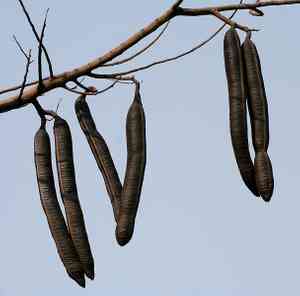
Cassia roxburghii, an attractive tree recognized for its vibrant yellow blossoms, is typically multiplied via cuttings. For the best outcome, choose robust, semi-hardened cuttings and confirm they possess a slight dampness prior to insertion. Utilize a potting blend that drains effectively and sustain steady hydration. Position the cuttings in a warm, protected spot receiving diffused light to stimulate root formation. Frequent spraying can aid in preserving humidity, which is vital for successful propagation.
Optimal Period for Roxburgh's Cassia Propagation
Propagation Type
Cutting
Propagation Season
Autumn,Winter
Tools Required for Roxburgh's Cassia Propagation
Pruning Shears
Essential for taking cuttings from roxburgh's cassia. Ensure they are sharp and disinfected to prevent disease spread and facilitate clean cuts, vital for successful rooting.
Rooting Hormone
Applied to the severed end of roxburgh's cassia cuttings to stimulate root formation. This is particularly helpful for boosting root development and improving propagation success rates.
Propagation Trays
Used to secure roxburgh's cassia cuttings during their root development phase. Trays offer a controlled environment that supports ideal moisture and air circulation.
Growing Medium
A well-draining substrate (e.g., perlite, vermiculite, or a blend) is crucial for providing the necessary support and aeration for the root systems of roxburgh's cassia during propagation.
Humidity Dome
Helps maintain moisture and create a humid environment for roxburgh's cassia cuttings, reducing dehydration risk and aiding new root development.
Spray Bottle
Useful for misting roxburgh's cassia cuttings to maintain consistent humidity without overwatering, which can lead to rot or fungal issues.
Heat Mat
Provides warmth to the base of roxburgh's cassia cuttings, which can accelerate root growth by maintaining an optimal temperature range, especially in cooler climates or during winter.
Method for Propagating Roxburgh's Cassia
Propagation Type
Moderately Difficult
Caring for Your Newly Propagated Roxburgh's Cassia
Caring for Your Newly Propagated Roxburgh's Cassia
Once cuttings establish a robust root system, transfer them to larger containers or directly into the ground in a full-sun location. Ensure the soil drains well. Water regularly, especially during dry spells, but avoid waterlogging. Fertilize monthly during the growing season with a balanced, slow-release product. Prune to maintain desired shape and encourage denser growth. Monitor for common pests and diseases, treating them promptly to keep the plant healthy and thriving.
Common Errors to Avoid When Propagating Roxburgh's Cassia
Overwatering
Excessive irrigation can cause root rot due to poor drainage. Roxburgh's cassia prefers well-drained soil, and overwatering can suffocate its roots.
Incorrect Soil Type
Using heavy clay or overly compacted soils can hinder root development. Roxburgh's cassia requires well-drained, sandy or loamy soil for optimal growth.
Improper Light Conditions
Providing too much shade can result in weak, elongated growth. Roxburgh's cassia thrives in full sun exposure for robust development.
Neglecting Pest and Disease Management
Ignoring signs of pests and diseases can lead to infestations that stunt growth or kill young plants. Regular monitoring and control are essential.
Wrong Propagation Method
Using incorrect techniques, such as improper seed treatment or mishandling cuttings, can reduce germination rates and plant survival.
Overcrowding
Planting seedlings too closely together can result in poor air circulation, increasing the risk of fungal diseases and stunted growth.
Advice for Propagating Roxburgh's Cassia
Proper Watering
Water plants moderately, ensuring the soil is moist but not waterlogged. Utilize well-draining soil to prevent root rot.
Using the Right Soil
Roxburgh's cassia thrives in sandy or loamy soil with good drainage. Amend heavy soils with organic matter to improve texture and drainage.
Ensuring Adequate Light
Place plants in a location where they receive full sun for most of the day. This ensures they get enough light for healthy growth.
Regular Monitoring
Inspect plants regularly for signs of pests and diseases. Utilize organic or chemical treatments as necessary to keep the plants healthy.
Correct Propagation Technique
When propagating from seeds, scarify and soak them before planting to enhance germination. For cuttings, use a rooting hormone to increase success rates.
Spacing Appropriately
Space seedlings adequately to ensure good air circulation, which helps in preventing fungal diseases and encourages robust growth.



