How to Prune Roxburgh's cassia?
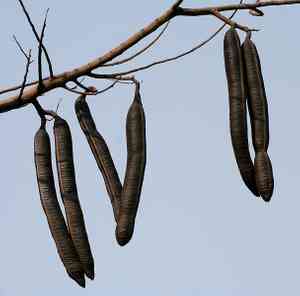
Roxburgh's cassia is recognized for its brilliant yellow blossoms and characteristic leguminous leaves. Perform trimming in late winter or early spring to stimulate abundant flowering and control its structure. Eliminate any deceased or compromised branches and thin out dense growth to foster better air movement. Refrain from severe pruning, as roxburgh's cassia thrives with moderate trimming. Strategic pruning during the ideal periods boosts flowering and general well-being. Consistent trimming aids in preserving an appealing shape and prevents the plant from developing an elongated appearance.
What Are the Benefits of Pruning Roxburgh's Cassia?
What Are the Benefits of Pruning Roxburgh's Cassia?
Trimming roxburgh's cassia encourages robust development and helps maintain its form, improving its overall look. Regular trimming also assists in managing size, preventing pest infestations, and fostering healthier blooms, thereby preserving a strong structure.
What Is the Best Time for Pruning Roxburgh's Cassia?
What Is the Best Time for Pruning Roxburgh's Cassia?
Trimming roxburgh's cassia in late winter and early spring is ideal as it coincides with the plant's dormant period and the start of its growth phase. During late winter, roxburgh's cassia is less prone to stress and illness, as this timing avoids the peak blooming season which typically follows in spring and summer. Pruning in early spring stimulates new growth, ensuring the plant remains healthy and vibrant throughout the growing season. Furthermore, cutting back branches just before the active growth period provides roxburgh's cassia with optimal conditions for quick recovery and abundant flowering, which in turn enhances its overall structural integrity and aesthetic appeal.
What Tools Do I Need to Prune Roxburgh's Cassia?
Hand Pruners
Perfect for cutting smaller branches and stems of roxburgh's cassia. They offer precise cuts, crucial for preserving the plant's health and shape.
Loppers
Useful for thicker branches of roxburgh's cassia that are too large for hand pruners but not quite big enough for a saw. They provide the leverage needed for clean cuts.
Pruning Saw
Essential for cutting larger branches of roxburgh's cassia. A pruning saw can manage the wood's density without harming the plant.
Long-Reach Pruners
Excellent for reaching higher branches of roxburgh's cassia without requiring a ladder. They help ensure safety and access difficult-to-reach plant parts.
Bypass Pruners
Crucial for making clean cuts on live stems and branches of roxburgh's cassia, reducing the risk of disease entry.
How to Prune Roxburgh's Cassia
Inspect
Thoroughly examine roxburgh's cassia to identify dead and diseased branches. This is vital for accurately targeting affected areas.
Tools
Gather appropriate trimming tools such as sterilized pruning shears or loppers to ensure clean cuts and prevent disease spread.
Remove Dead Branches
Start by cutting off dead branches at their base. Ensure the cut is at a slight angle to aid water drainage and prevent rot.
Remove Diseased Branches
Carefully trim diseased branches by cutting well below the affected area to ensure all diseased tissue is removed. Dispose of these branches properly to prevent further spread.
Final Inspection
Conduct a final check of roxburgh's cassia to confirm all dead and diseased branches have been removed. Ensure remaining branches have adequate airflow and are not overly dense.
Common Pruning Mistakes with Roxburgh's Cassia
Over-pruning
Removing too much foliage can stress roxburgh's cassia, impeding its growth and flowering capabilities.
Incorrect cutting technique
Making jagged or improper cuts can harm branches and create entry points for pests and diseases.
Ignoring dead or diseased wood
Failing to remove dead or diseased branches can allow problems to spread throughout roxburgh's cassia.
Pruning at the wrong time
Although season-specific timing is excluded, pruning too frequently or at random times can disrupt roxburgh's cassia's natural growth cycle.
Using dirty or dull tools
Cutting with unclean or dull tools can transmit diseases and cause unnecessary damage to the plant.
Common Pruning Tips for Roxburgh's Cassia
Sanitize tools
Always clean pruning shears before and after use to prevent the spread of disease.
Use sharp tools
Ensure your pruning tools are sharp to make clean cuts, which heal faster and are less inviting to pests.
Start with dead or diseased branches
Begin by removing any dead, damaged, or diseased wood to maintain the health of roxburgh's cassia.
Thin out crowded branches
If branches are too close together, thin them out to improve air circulation and sunlight penetration, which can enhance growth and flowering.
Follow the natural shape
Prune to maintain the natural shape of roxburgh's cassia, avoiding drastic cuts that alter its form significantly.
Cut at a slight angle
Make cuts at a slight angle just above a bud or branch, which helps water runoff and reduces the risk of rot.



