How to Transplant Saguaro?
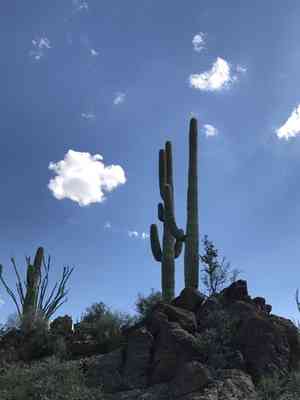
Successful saguaro transplantation flourishes from late spring through mid-summer's heat. Select bright, exposed locations featuring soil that drains effectively. Careful management of their delicate root structure is vital for proper integration.
What Preparations are Needed Before Transplanting Saguaro?
What is the Ideal Time for Transplanting Saguaro?
The best time for moving saguaro is at the start of summer, specifically from late spring through mid-summer. This period offers prime conditions for the plant to establish, as warm soil promotes root development. By selecting this season, you ensure saguaro roots have sufficient time to settle before colder temperatures arrive. Transplanting saguaro during this time maximizes survival rates, leveraging the beginning of its growth cycle for better adaptation.
How Much Space Should You Leave Between Saguaro Plants?
Allow saguaro ample room to develop, ideally maintaining a distance of approximately 15-20 feet (4.5-6 meters) between each specimen. Observe this guideline to ensure robust growth and prevent overcrowding.
What is the Best Soil Mix for Saguaro Transplanting?
Saguaro thrives in soil that drains efficiently to prevent water accumulation. Prepare it with a foundational fertilizer rich in potassium and phosphorus. Begin with a soil test to confirm its current state and amend it to meet these specific requirements.
Where Should You Relocate Your Saguaro?
Select a new planting site that will provide saguaro with complete sun exposure. Saguaro flourishes under direct sunlight, so confirm there are no obstructions like trees or structures that could block the light.
What Equipments Should You Prepare Before Transplantation Saguaro?
Gardening Gloves
These are crucial for protecting your hands while handling soil and the saguaro plant, which possesses sharp spines.
Shovel
This tool will be utilized to excavate the saguaro from its original spot and to prepare the new planting hole.
Utility Cart or Wheelbarrow
For moving the cactus from its initial location to the new site. Keep in mind, saguaro can be extremely heavy depending on their size.
Sling
It is beneficial for securely managing and relocating large saguaro.
Gardening Trowel
You'll employ this to add soil when you are planting saguaro.
Watering Can
For hydrating the saguaro after it has been transplanted.
Padded Gloves
Given that saguaro has sharp spines, use these gloves to safeguard your hands during plant handling.
How Do You Remove Saguaro from the Soil?
How Do You Remove Saguaro from the Soil?
From Ground: Start by watering the saguaro plant to moisten the soil, which facilitates easier digging. With your shovel, carefully excavate a trench around the plant, ensuring you are far enough away to avoid damaging the root ball. After clearing all soil from around the plant, gently slide a piece of burlap or sturdy fabric beneath the root ball. Use a sling to assist in lifting the saguaro from the ground without causing harm to the plant.From Pot: Before extracting an saguaro from its container, water it thoroughly to minimize transplant stress. Invert the pot and gently tap it to release the saguaro. If it has been in the pot for a while and resists removal, you might need to cut the pot away. Always hold it by the root ball, not the stem or branches, to reduce damage.From Seedling Tray: If you've been cultivating an saguaro from seed in a seedling tray, wait until the cactus is at least 1 inch tall before transplanting. Use a spoon or small gardening tool to carefully dig around the seedling. Lift it gently from the base, taking care not to touch the spines, and ensure the root ball remains intact.
Step-by-Step Guide for Transplanting Saguaro
Site Selection
Choose a location that offers appropriate conditions for the saguaro to flourish. These plants require abundant sunshine and must be situated in a sunny spot.
Prepare the Site
Use your shovel to dig a hole at least twice the size of the saguaro's root ball. Also, ensure the hole is deep enough so the cactus will not be planted deeper than its previous position.
Transplant
Carefully place the saguaro into the new hole using the sling. Confirm it is standing upright. Backfill the hole with soil, gently firming it around the base of the saguaro.
Watering
Once the saguaro is planted, water it thoroughly to help the soil settle.
How Do You Care For Saguaro After Transplanting?
Protection
After planting your saguaro, drape a shade cloth over it to shield it from extreme temperatures and aid its adjustment to the new environment.
Irrigation
Allow the soil to completely dry out before watering again. Excessive watering can lead to rot, which will quickly kill your saguaro.
Disease & Pests
Monitor for pests and diseases such as mealybugs and fungal rot. If detected, consult your local nursery for the most effective treatment.
Troubleshooting Common Issues with Saguaro Transplantation.
When is the best time to transplant saguaro?
The optimal period to transplant saguaro is between seasons 3 and 5. This aligns with the plant's dormant stage, which supports a successful transplantation process.
What's the optimal distance to maintain between saguaro during planting?
For saguaro, maintain a spacing of approximately 15-20 feet (4.5-6 meters). This distance between plants provides them ample room to grow and thrive.
How deep should the holes be when transplanting saguaro?
Dig a hole twice as wide and as deep as the saguaro's root ball. This ensures the roots have sufficient space for proper development.
Do I need to water saguaro immediately after transplanting?
Yes, watering saguaro right after transplanting helps the plant settle into the soil and minimizes the shock of relocation.
How often should I water saguaro after transplantation?
For the initial year following saguaro transplantation, water it regularly but sparingly. Overwatering can cause root rot.
Do I need to stake saguaro after transplanting?
Yes, staking saguaro provides necessary support and prevents the plant from falling over, especially in strong winds.
How can I ensure successful transplantation of saguaro?
Sufficient sunlight, appropriate watering, and using well-draining soil will significantly contribute to a successful saguaro transplantation.
How long does it take for saguaro to recover from transplant shock?
Saguaro may require several weeks to recover from transplant shock. Provide proper care, and be patient as the plant adapts to its new surroundings.
What are the signs of transplant shock in saguaro?
Symptoms of transplant shock in saguaro may include wilting, yellowing foliage, slowed growth, or branch dieback.
Should I fertilize saguaro soon after transplanting?
No, refrain from fertilizing saguaro immediately after transplanting. Wait a few weeks until the plant has fully acclimated to its new environment.



