The Saguaro Plant Advantage: Maximizing Home and Office Appeal and Wellness
1
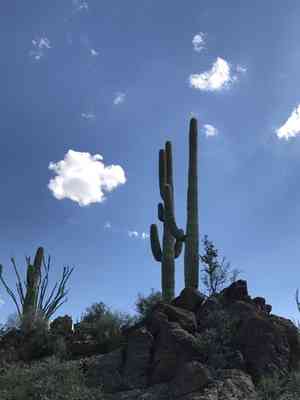
The Saguaro cactus aids in stopping soil degradation through its widespread root network.
2
Saguaro blossoms are fertilized by bats, which boosts ecological variety.
3
The Saguaro is vital for native fauna, offering shelter and sustenance.
How Does Saguaro Support Ecosystems?
Enhancing Biodiversity Through Pollination
A key ecological function of the Saguaro is its interaction with pollinators. Its large, white blossoms open at night, drawing in nocturnal creatures like bats. These bats are vital for pollinating the flowers, ensuring the survival of this desert giant. This interaction not only boosts local biodiversity but also helps maintain ecosystem equilibrium.
Providing Habitat and Food for Wildlife
The Saguaro serves as a critical resource for numerous desert animals. Birds, insects, and mammals frequently use its robust structure for nesting and refuge. The plant's fruit, which ripens in summer, offers a crucial food source for various species, including birds, rodents, and even native human populations. By supporting such a diverse array of organisms, the Saguaro plays a central role in its environment's sustainability.
What Are the Environmental Benefits of Saguaro?
Preventing Soil Erosion
The Saguaro's root system spreads extensively around its base, firmly anchoring it in the ground. These widespread roots help stabilize the soil, preventing erosion, a common problem in arid regions. This ability to retain soil is essential for preserving the health and fertility of the desert landscape.
Carbon Sequestration
Like many other plants, the Saguaro contributes to carbon sequestration by absorbing CO2 from the atmosphere during photosynthesis. Despite growing in seemingly harsh conditions, the Saguaro's capacity to capture carbon aids in reducing greenhouse gases in the atmosphere, helping to mitigate the effects of climate change.
How Is Saguaro Used by Humans?
Traditional Uses by Indigenous Peoples
Indigenous communities of the southwestern United States have utilized the Saguaro for centuries. The plant's fruit is harvested for its nutritional value and used to create various foods, including jams and syrups. The plant's dried ribs have been used in constructing shelters and crafting tools, demonstrating the Saguaro's versatility.
Modern Applications
In contemporary times, the Saguaro remains valued for several reasons. Its striking appearance makes it a popular choice for landscaping, adding aesthetic appeal to desert-themed gardens and public areas. Furthermore, its resilience and ability to thrive in harsh environmental conditions make it an excellent subject for studies on drought resistance and climate adaptation.
Why Is Conservation of Saguaro Important?
Threats to Saguaro
Although the Saguaro is a resilient plant, it faces several threats that can impact its survival. Rapid urbanization, climate change, and illegal poaching pose significant risks. Urban development can lead to habitat fragmentation, making it difficult for pollinators to move between plants, disrupting the Saguaro's reproductive cycle.
Efforts to Protect Saguaro
Various conservation organizations and government agencies are working to protect the Saguaro and its habitat. Efforts include legal protection, habitat restoration, and educational campaigns to raise public awareness about the plant's significance. By taking steps to preserve the Saguaro, we can ensure it continues to thrive and provide its numerous benefits for future generations.



