How Much Sunlight Do Saguaro Need?
1
Saguaro cacti require a minimum of 6 hours of direct sun daily to thrive.
2
Insufficient light can hinder a Saguaro's development and increase its vulnerability to illness.
3
Incorporating reflective materials can enhance sunlight reception for your Saguaro in less illuminated areas.
Ideal Light Conditions for Saguaro Cactus
Understanding Full Sun Exposure
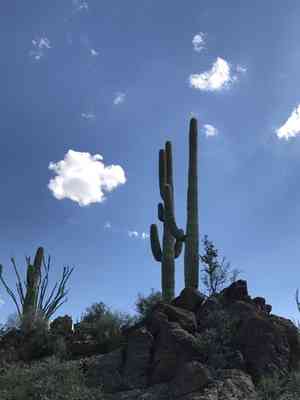
The Saguaro cactus, known for its impressive height and iconic silhouette, thrives best in full sun. Full sun exposure means the plant receives unobstructed sunlight for the majority of the day, which is crucial for its growth and overall health. In their native habitats in the Sonoran Desert, Saguaro cacti are exposed to consistent and intense sunlight. This high level of sunlight enables them to perform photosynthesis effectively, store water efficiently, and maintain their robust structure.
Ideal Daily Sunlight Hours
For optimal health, a Saguaro requires more than 6 hours of direct sunlight each day. The ideal range is between 8 to 12 hours, especially during the growing season. Adequate sunlight ensures that the Saguaro can grow to its full potential and produce the beautiful white flowers that are characteristic of this species. If you are cultivating Saguaro cacti in an area outside the desert, consider its need for sunlight and position it accordingly to mimic its natural habitat as closely as possible.
Effects of Insufficient Sunlight on Saguaro
Common Signs of Sunlight Deficiency
Lack of adequate sunlight can manifest in several ways in Saguaro cacti. One of the most common signs is etiolation, which refers to the plant becoming elongated and pale as it stretches towards a light source. Additionally, the cactus may exhibit slower growth rates and weaker, more fragile structures. If you notice these signs in your Saguaro, it's essential to reassess its sunlight exposure and make necessary adjustments.
Potential Health Impacts
Insufficient sunlight can lead to several health issues for a Saguaro. Without adequate light, the cactus cannot photosynthesize efficiently, which impairs its ability to produce energy and nutrients. Over time, this can make the plant more susceptible to pests and diseases. Additionally, a weakened structure due to poor light conditions can increase the risk of physical damage from environmental stressors such as wind and rain.
How to Ensure Adequate Sunlight for Saguaro
Positioning in Your Garden
The placement of your Saguaro in your garden plays a crucial role in ensuring it receives enough sunlight. Ideally, position the cactus in an area where it will receive the most sunlight throughout the day. This often means placing it in a south-facing location if you are in the Northern Hemisphere. Clearing away any nearby obstructions, such as tall plants or buildings, can also help maximize the cactus's exposure to direct sunlight.
Using Reflective Surfaces
If your garden has areas of partial shade, consider using reflective surfaces to enhance sunlight exposure for your Saguaro. Reflective surfaces like white walls, mirrors, or aluminum foil can help redirect sunlight to shaded areas, ensuring that the cactus receives an adequate amount of light throughout the day. This can be especially beneficial in urban settings where space is limited, and natural sunlight may be obstructed by buildings.
Seasonal Sunlight Adjustments
The angle and intensity of sunlight change with the seasons, which can affect how much sunlight your Saguaro receives. During the winter months, when the sun is lower in the sky, it's crucial to monitor the cactus and make adjustments if necessary. Moving the cactus to a sunnier spot or using artificial grow lights can help compensate for the reduced natural sunlight during these periods. Keeping a close eye on your Saguaro throughout the year ensures it remains healthy and vibrant.
Can a Saguaro Get Too Much Sunlight?
Identifying Sunburn in Saguaro
While Saguaro cacti are well-adapted to intense sunlight, they can still suffer from sunburn, particularly if they are suddenly exposed to more light than they are used to. Signs of sunburn in a Saguaro include yellowing or white patches on the skin, which can eventually turn brown and dry out. It's essential to introduce any changes in light exposure gradually, allowing the plant to acclimate over time.
Protective Measures for Extreme Heat
In regions where temperatures can soar, even the hardy Saguaro may require some protection from extreme heat. Providing shade during the hottest part of the day, typically mid-afternoon, can help prevent sunburn and heat stress. Using shade cloths or strategically placing your cactus under a canopy can offer temporary relief from intense sunlight and help maintain its health during peak summer temperatures.



