How to Transplant Wiegand's sedge?
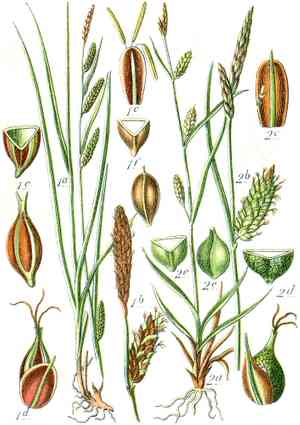
The ideal window for transplanting wiegand's sedge extends from the beginning to the end of spring, leveraging peak soil hydration. This plant flourishes in locations offering partial shade and damp, adequately draining earth. Provide regular irrigation after moving it to encourage root development.
What Preparations are Needed Before Transplanting Wiegand's Sedge?
What is the Ideal Time for Transplanting Wiegand's Sedge?
The best time to move wiegand's sedge is from the beginning to the end of spring. This period offers mild temperatures and consistent moisture, which helps roots settle and reduces transplant stress. Moving wiegand's sedge then maximizes its growing season, promoting strong development and resilience all year.
How Much Space Should You Leave Between Wiegand's Sedge Plants?
For optimal development, position your wiegand's sedge plants approximately 12-18 inches (30-45 cm) apart. This provides ample room for each plant to flourish without crowding and ensures proper air circulation.
What is the Best Soil Mix for Wiegand's Sedge Transplanting?
Prepare a soil mixture that drains well for your wiegand's sedge. A blend of sandy loam with some organic compost will be highly effective. Consider incorporating a balanced, slow-release base fertilizer to give your plants a nutritional boost.
Where Should You Relocate Your Wiegand's Sedge?
Select a location with full sun to partial shade for relocating your wiegand's sedge. This plant thrives with at least 4-6 hours of daily sunlight for vigorous growth. If planting in a warmer climate, some afternoon shade can be beneficial.
What Equipments Should You Prepare Before Transplantation Wiegand's Sedge?
Gardening Gloves
To safeguard your hands while handling soil and plants.
Shovel or Spade
For digging up the plant from its original spot and creating holes in the new ground.
Watering Can or Hose
To hydrate the plant before and after its relocation.
Trowel
For more precise digging and working around root systems.
Wheelbarrow
To move the plant if necessary.
Compost or Organic Matter
To enrich the new planting site.
How Do You Remove Wiegand's Sedge from the Soil?
How Do You Remove Wiegand's Sedge from the Soil?
From Ground: First, moisten the wiegand's sedge plant to dampen the soil. Next, dig a wide trench around the plant using a shovel or spade, ensuring the root ball remains intact. Carefully work the spade beneath the root ball to lift the plant from its initial position.From Pot: Gently tilt the pot on its side and tap to loosen the soil. Carefully slide the wiegand's sedge plant out, holding the main stem at the base without harming the roots.From Seedling Tray: Use a trowel or spoon to carefully lift the wiegand's sedge seedlings from the tray. Hold the seedlings by their leaves, not the stem, to prevent damage.
Step-by-Step Guide for Transplanting Wiegand's Sedge
Preparation of New Location
Excavate a hole that is twice as wide and equally deep as the root ball of the wiegand's sedge plant. Ensure the hole is well-prepared with compost or organic material.
Removing the Plant
Follow the instructions for extracting the wiegand's sedge plant from its original spot, making sure the root ball stays intact.
Transplanting
Position the wiegand's sedge plant into the hole, ensuring it sits at the same level as it did in its previous location. Backfill the hole with soil, gently pressing down to eliminate air pockets.
Watering
Thoroughly water the relocated wiegand's sedge plant to help it settle into its new environment and minimize transplant shock.
How Do You Care For Wiegand's Sedge After Transplanting?
Watering
Keep the soil around the wiegand's sedge consistently moist, but not waterlogged, for the initial few weeks post-transplant to aid in developing strong roots.
Mulching
Apply a layer of mulch around the base of the wiegand's sedge plant to help retain soil moisture and regulate temperature.
Monitoring
Regularly inspect the wiegand's sedge plant for indications of stress such as wilting or yellowing leaves, and adjust care as necessary.
Troubleshooting Common Issues with Wiegand's Sedge Transplantation.
When is the best time to transplant wiegand's sedge?
Relocate wiegand's sedge between early and late spring for optimal outcomes.
How far apart should I space wiegand's sedge?
Position wiegand's sedge plants 12-18 inches (30-45 cm) apart to allow for adequate growth.
How deep should I plant wiegand's sedge?
Plant wiegand's sedge at the same depth it was previously growing, to avoid stress.
Should I water wiegand's sedge after transplanting?
Yes, water wiegand's sedge thoroughly post-transplant to help the roots establish rapidly.
How can I prevent transplant shock in wiegand's sedge?
Water consistently and provide some shade to prevent wiegand's sedge from experiencing transplant stress.
Is it necessary to fertilize wiegand's sedge after transplanting?
Wait a few weeks before applying fertilizer to wiegand's sedge to allow the plant to acclimate.
What type of soil is best for wiegand's sedge?
Plant wiegand's sedge in well-draining soil enriched with organic matter for peak health.
How do I prepare wiegand's sedge for transplanting?
Water wiegand's sedge the day before transplanting to ensure hydrated roots and easier handling.
Should I prune wiegand's sedge before transplanting?
Trim any dead or damaged parts of wiegand's sedge to reduce stress and encourage healthy development.
Can I transplant wiegand's sedge during hot weather?
Avoid relocating wiegand's sedge during hot weather, as it can increase transplant shock and stress.



