How to Prune Wiegand's sedge?
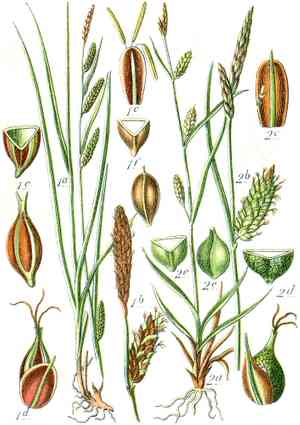
Carex wiegandii is a perennial resembling grass, recognized for its compact clumps and narrow blades. Trimming is most effective in early spring or during winter, aligning with its inactive phase. Sever withered or compromised leaves at their base to stimulate vigorous, fresh development. Eliminate spent flower stalks to boost vitality and preserve aesthetic appeal. Consistent trimming aids in controlling its expansion and enhances air movement, deterring ailments. Strategic pruning guarantees strong development and an orderly garden.
Advantages of Trimming Wiegand's Sedge
Advantages of Trimming Wiegand's Sedge
Trimming wiegand's sedge encourages robust development by eliminating dead or damaged stems, maintaining its form, and fostering vigorous new growth. It also prevents congestion, promoting better air circulation and lowering the risk of pests and diseases.
Optimal Time for Trimming Wiegand's Sedge
Optimal Time for Trimming Wiegand's Sedge
Trimming or cutting back wiegand's sedge in early spring or winter is ideal as these periods coincide with the plant's dormant phase. During dormancy, the plant's growth slows, minimizing stress and potential harm. Early spring pruning allows for strong new growth as the plant enters its active season, while winter pruning helps clear dead or damaged foliage without harming its health. These times also avoid disrupting the flowering cycle, ensuring abundant blooms in the subsequent season.
Tools Required for Pruning Wiegand's Sedge
Hand Pruners
Perfect for cutting back individual stems and small clusters, ensuring accuracy and minimal harm to surrounding foliage.
Horticultural Scissors
Excellent for detailed trimming and upkeep of finer growth, allowing precise cuts without crushing delicate stems.
Bypass Pruners
Useful for clean cuts on somewhat thicker stems, promoting healthy regrowth without tearing or bruising plant tissue.
Shears
Effective for larger clumps and more extensive pruning tasks, enabling efficient shaping and removal of dead or overcrowded growth.
Gloves
Crucial for protecting hands from cuts and potential irritants while handling and pruning the plant.
How to Prune Wiegand's Sedge
Assess
Thoroughly inspect wiegand's sedge to pinpoint specific diseased or withered leaves. Pay close attention to its overall state to identify exactly where intervention is needed.
Tools
Prepare sharp, clean pruning shears or scissors to ensure precise cuts and minimize the risk of disease transmission.
Remove Diseased
Carefully cut away any leaves showing signs of illness. Make cuts at the base of affected leaves, ensuring all diseased tissue is removed to prevent further infection.
Trim Withered
Remove withered or dead leaves by cutting them at their base. This helps redirect the plant's energy towards healthier development.
Dispose
Properly discard all trimmed material away from wiegand's sedge to prevent any disease from lingering or spreading. Avoid composting diseased material.
Common Pruning Errors with Wiegand's Sedge
Incorrect tool usage
Using dull or unsuitable tools can harm wiegand's sedge. Always use sharp, clean shears or pruning scissors for precise cuts.
Over-pruning
Removing too much foliage at once can stress wiegand's sedge and hinder its growth. It's crucial to prune judiciously to maintain the plant's vitality.
Improper cuts
Making jagged or uneven cuts can lead to disease or pest infestation. Ensure cuts are clean and angled correctly to promote healthy regrowth.
Pruning at the wrong time
Cutting back wiegand's sedge during its peak growth period can disrupt its natural cycle. Only prune during appropriate seasons for the plant's health.
Neglecting dead or diseased parts
Failing to remove dead or diseased plant parts can allow problems to spread. Regular maintenance is vital for the plant’s overall health.
General Pruning Advice for Wiegand's Sedge
Regular inspection
Periodically check wiegand's sedge for any signs of dead, diseased, or damaged foliage. Prompt removal helps prevent potential spread and keeps the plant healthy.
Clean tools
Ensure tools are sanitized before and after pruning to reduce the risk of transferring diseases between plants.
Cut at an angle
Always make cuts at a 45-degree angle to facilitate water runoff and prevent infections.
Moderation is key
Prune moderately to maintain the plant's structure without overly stressing it. Aim to remove no more than a third of the plant at any one time.
Focus on shape
Aim to maintain an attractive, natural shape when pruning wiegand's sedge. This not only enhances its visual appeal but also supports air circulation and light penetration.



