How to Propagate Wiegand's sedge?
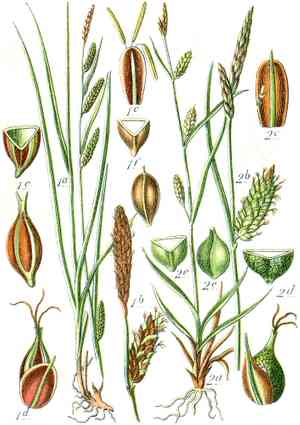
Wiegand's sedge is a perennial grass-like plant that flourishes in damp, acidic ground typically present in wetland environments. Reproduction by splitting is very successful. During division, confirm that every segment possesses a robust root structure and some connected leaves. Immediately replant the separated portions in comparable soil environments to guarantee successful rooting and development.
What Is the Best Time To Propagate Wiegand's Sedge?
Propagation Type
Separation
Propagation Season
Spring,Autumn
What Tools Are Used in Wiegand's Sedge Propagation?
Sharp Garden Spade
A keen garden spade is crucial for separating the thick clumps of wiegand's sedge. It enables precise cuts through the root structure, reducing harm and encouraging faster recovery and successful establishment of new specimens.
Hori-Hori Knife
A hori-hori knife proves useful for accurate cuts and managing delicate root systems when dividing wiegand's sedge. Its sharp, robust blade can navigate through tough roots and soil with precision, ensuring minimal disruption to the plants.
Hand Trowel
A hand trowel is necessary for excavating and relocating the divided sections of wiegand's sedge to new planting locations. Its compact size and ergonomic design make it perfect for working in smaller areas and specific garden spots.
Root Saw
A root saw can be especially advantageous when dealing with larger, more established clusters of wiegand's sedge. It assists in cutting through thicker root masses without causing excessive injury, fostering a healthier division process.
Watering Can with Fine Rose
A watering can equipped with a fine rose attachment is vital for gently irrigating the freshly divided portions of wiegand's sedge. Consistent moisture is important for root establishment, and the fine rose ensures the delicate roots are not disturbed by strong water flow.
Garden Gloves
Protective garden gloves are important for handling wiegand's sedge during division. They shield your hands from potential soil contaminants and provide a better grip on tools and plant material, enhancing accuracy and safety.
Plant Labels
Labeling the newly separated sections of wiegand's sedge is critical for tracking their development and care requirements. Plant labels help identify different divisions and monitor their health and progress over time.
Sterilization Solution
Tools should be sanitized before and after use to prevent disease transmission. A sterilization solution ensures that the equipment used for dividing wiegand's sedge remains clean and safe, safeguarding the plant's health.
How to Propagate Wiegand's Sedge?
Propagation Type
Simple
How to Care for Your Newly Propagated Wiegand's Sedge?
How to Care for Your Newly Propagated Wiegand's Sedge?
Post-propagation, ensure wiegand's sedge is placed in an area with appropriate light conditions (partial to full shade is optimal). Water regularly to maintain consistent soil moisture, especially during dry periods. Periodically check for and remove any competing weeds that might vie with wiegand's sedge for nutrients and water. Apply a balanced fertilizer in early spring if necessary to encourage robust growth. Monitor for pests and diseases, addressing any issues promptly to ensure the sustained vitality of the new plants.
Common Mistakes to Avoid When Propagating Wiegand's Sedge
Improper Soil Conditions
Utilizing soil that lacks proper drainage or is excessively rich in nutrients can impede wiegand's sedge's growth, leading to poor root development and increased vulnerability to diseases.
Overwatering
Excessive irrigation can lead to root rot and other fungal infections, which are detrimental to wiegand's sedge's health and longevity.
Lack of Light
Insufficient illumination can slow the plant's development and weaken its structure, making successful propagation more challenging.
Dense Planting
Planting too many wiegand's sedge in close proximity can restrict air circulation and light penetration, resulting in stunted growth and a heightened risk of disease.
Incorrect Plant Division
Improperly separating the plant can harm the root system, leading to a higher failure rate for new plants.
Tips For Propagating Wiegand's Sedge
Use Well-Drained Soil
Ensure that the soil mixture you employ drains effectively to prevent waterlogging and root ailments. A sandy or gritty blend can be advantageous.
Moderate Watering
Water the plant moderately, allowing the soil to dry out slightly between waterings to prevent root rot while keeping the soil adequately moist.
Adequate Light
Ensure wiegand's sedge receives sufficient indirect light to promote healthy growth. Avoid deeply shaded areas.
Proper Spacing
Space the plants appropriately to ensure good air circulation and light penetration, which aids in reducing disease incidence and promotes healthy growth.
Careful Division
When dividing wiegand's sedge, use sharp, clean tools to minimize root damage. Ensure that each division has a healthy section of roots and shoots.



