How to Transplant Tuckerman's sedge?
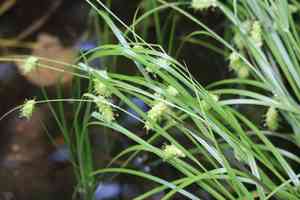
Tuckerman's sedge flourishes when relocated from the beginning to the end of spring, benefiting from ideal soil dampness and new development. Select humid, partly shaded spots to guarantee successful rooting. To achieve optimal outcomes, refrain from overly disturbing the plant's root system.
What Preparations are Needed Before Transplanting Tuckerman's Sedge?
What is the Ideal Time for Transplanting Tuckerman's Sedge?
The best time to move tuckerman's sedge is from the beginning to the end of spring. Moving it then ensures the plant benefits from milder weather and more moisture, which helps roots grow strong. This timing also lets tuckerman's sedge get used to its new spot before summer's heat, encouraging vigorous growth and better long-term survival.
How Much Space Should You Leave Between Tuckerman's Sedge Plants?
For tuckerman's sedge, make sure to plant them 1-2 feet (30-60 cm) apart. This spacing allows each plant ample room to expand and reduces competition for essential nutrients and sunlight, promoting healthy development.
What is the Best Soil Mix for Tuckerman's Sedge Transplanting?
Prepare soil that drains well and is rich in organic material for tuckerman's sedge. This can involve adding compost or aged manure to the soil. The perfect soil pH ranges from slightly acidic to neutral, between 6.0 and 7.5.
Where Should You Relocate Your Tuckerman's Sedge?
Choose a spot that gets partial to full sunlight, meaning about 4-6 hours of direct sun daily. This environment ensures tuckerman's sedge flourishes and reaches its maximum growth potential.
What Equipments Should You Prepare Before Transplantation Tuckerman's Sedge?
Gardening Gloves
To shield your hands while handling soil and plants.
Shovel or Spade
For digging around the plant and lifting it from the ground.
Trowel
Useful for smaller digging tasks and helping to settle the plant in its new spot.
Watering Can or Hose
For hydrating the plant before and after its relocation.
Compost or Organic Matter
To enrich the soil in the new planting area.
Mulch
To aid in retaining soil moisture post-transplant.
Pruners
For trimming any damaged roots or leaves.
Wheelbarrow
To move the plant or soil as needed.
How Do You Remove Tuckerman's Sedge from the Soil?
How Do You Remove Tuckerman's Sedge from the Soil?
From Ground: First, water the tuckerman's sedge plant to moisten the soil. Then, use a shovel or spade to dig a wide trench around the plant, ensuring the root ball stays intact. Carefully work the spade beneath the root ball to lift the plant from its original spot.From Pot: Gently water the tuckerman's sedge plant to dampen the soil. Turn the pot on its side and tap the edges to loosen the soil. Carefully slide the plant out, supporting the root ball with your hand.From Seedling Tray: Water the tuckerman's sedge seedlings thoroughly before moving them. Use a small trowel or your fingers to carefully lift each seedling, making sure to keep the root ball whole. Be gentle with the delicate roots.
Step-by-Step Guide for Transplanting Tuckerman's Sedge
Site Preparation
Prepare the new planting location by digging a hole that is twice as wide and the same depth as the tuckerman's sedge's root ball.
Enhance Soil
Incorporate compost or organic material into the soil at the bottom of the hole to supply nutrients and improve drainage.
Place the Plant
Position the tuckerman's sedge into the hole, ensuring the top of the root ball is level with the surrounding soil. Backfill the hole with soil, gently firming it around the roots to eliminate air pockets.
Water Thoroughly
Water the tuckerman's sedge generously after planting to help the soil settle and reduce transplant shock.
Apply Mulch
Spread a layer of mulch around the base of the tuckerman's sedge to help retain soil moisture and prevent weeds.
How Do You Care For Tuckerman's Sedge After Transplanting?
Watering
Keep the soil around the tuckerman's sedge consistently moist, but not waterlogged, for the initial few weeks post-transplant.
Mulching
Replenish the mulch layer as needed to maintain a consistent 2-3 inch depth.
Pruning
Remove any damaged or dead foliage to allow the plant to direct its energy towards establishing new roots.
Monitoring
Regularly check for signs of transplant shock, such as wilting or discoloration, and take corrective action as necessary (e.g., adjusting water levels).
Troubleshooting Common Issues with Tuckerman's Sedge Transplantation.
When is the best time to transplant tuckerman's sedge?
Early to late spring is the optimal period for transplanting tuckerman's sedge for best outcomes.
How far apart should I space tuckerman's sedge plants?
Space tuckerman's sedge plants 1-2 feet (30-60 cm) apart to ensure ideal growth and health.
What type of soil is best for transplanting tuckerman's sedge?
Tuckerman's sedge thrives in moist, well-draining soil rich in organic matter for optimal establishment.
How do I prepare tuckerman's sedge for transplanting?
Water the plant thoroughly the day before and carefully dig around the root ball during transplanting.
Should I fertilize tuckerman's sedge during transplanting?
Use a balanced, slow-release fertilizer during planting to support initial growth but avoid over-fertilizing.
How deep should I plant tuckerman's sedge?
Plant tuckerman's sedge at the same depth it was previously growing, ensuring roots are properly covered.
How often should I water tuckerman's sedge after transplanting?
Water tuckerman's sedge deeply immediately after planting and continue to keep the soil consistently moist until established.
What to do if tuckerman's sedge shows signs of transplant shock?
Reduce sun exposure and keep the soil moist. Apply a root stimulator to encourage recovery.
Can I mulch around tuckerman's sedge after transplanting?
Yes, apply a 2-3 inch (5-7.5 cm) layer of mulch to retain moisture and regulate temperature.
How do I handle the roots while transplanting tuckerman's sedge?
Handle roots gently, avoid excessive disturbance, and plant promptly to minimize transplant shock.



