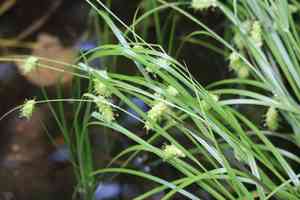
Tuckerman's sedge (Carex tuckermanii)
Also known as: Tuckerman's Sedge
Tuckerman's sedge stands out as an ornamental garden plant due to its eye-catching clumping growth and uniquely tinted stems in shades of pink, red, or purple.
In This Article
Attributes of Tuckerman's sedge
Lifespan
Perennial
Plant Type
Grass
Plant Height
41 cm to 1.2 m
Spread
1-2 feet
Leaf Color
Green
Flower Size
0.5-1.5 inches
Flower Color
Brownish
Images of Tuckerman's sedge
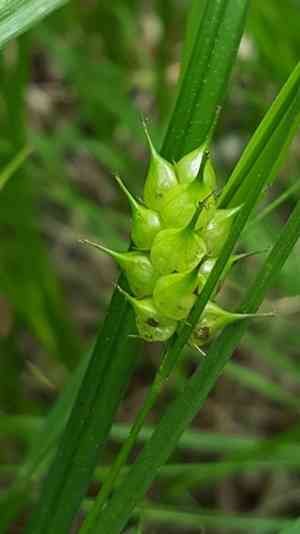
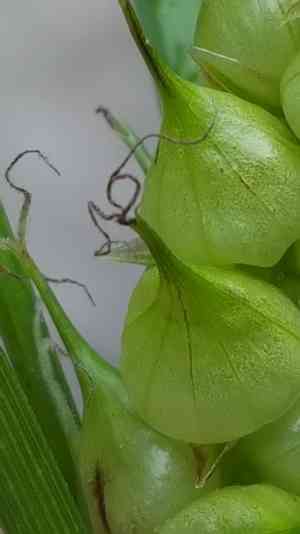
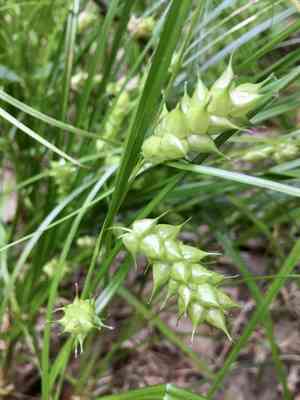
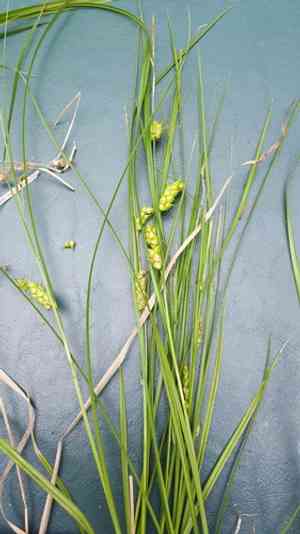
Quickly Identify Tuckerman's sedge
1
Carex tuckermanii can be identified by its clump-forming growth habit, narrow leaves, and distinctive seed heads. The seed heads are typically cylindrical and can grow up to several inches long. The leaves are grass-like and can be up to 2 feet long.
Scientific Classification of Tuckerman's sedge
Phylum
Vascular plants
Class
Monocotyledons
Order
Poales
Family
Sedge
Genus
True sedges
Species
Tuckerman's sedge
Planting and Growing of Tuckerman's sedge
Care Difficulty
Moderate
Watering Schedule
Every 3 days
Sunlight Requirements
Partial sun
Sunshine Duration
6-10 hours
Ideal Temperature
60-75℉
Soil Type
Potting Mix, Peat Mix
Soil pH
6.5-7.5
Fertilizer Type
Balanced
Pruning Season
Spring, Summer
Pruning Area
Branches, Leaves
Pruning Frequency
2 times a year
Repotting Season
Spring
Pot Type
Plastic, Terracotta
 How to Water Tuckerman's sedge?
For Carex tuckermanii, ensure the soil is moist but not waterlogged. Water until the top 1-2 inches of soil is evenly moist. Use approximately 200 milliliters each time, aiming to sustain the soil's moisture without drenching it.
What are the symptoms of an underwatered Tuckerman's sedge?
›
What should I do if my Tuckerman's sedge is not getting enough water?
›
What are the symptoms of an overwatered Tuckerman's sedge?
›
How to save an overwatered Tuckerman's sedge?
›
 What Are the Sunlight Requirements for Tuckerman's sedge?
Carex tuckermanii thrives best with partial sun to full sun conditions. Proper light promotes vigorous growth, robust root development, and maintains the plant's aesthetic value, ensuring it contributes positively to ecosystem dynamics.
What is the best lighting condition for Carex tuckermanii?
›
How can I ensure Carex tuckermanii gets its ideal light?
›
What benefits does Carex tuckermanii gain from proper lighting?
›
 What Is the Ideal Temperature Range for Tuckerman's sedge?
For optimal growth, Carex tuckermanii flourishes best when the ambient temperature is maintained between 60°F to 75°F. This allows for optimal photosynthetic activity and efficient metabolic functioning, ensuring lush growth and healthy development.
 What Soil is Best for Tuckerman's sedge?
Carex tuckermanii thrives in soil that holds moisture well without becoming waterlogged. The loamy texture allows for adequate moisture retention, ensuring the plant stays hydrated, particularly during dry spells, promoting vigorous growth. This species flourishes in nutrient-rich soils, which provide essential minerals and organic matter required for healthy root development and leaf production. Consistent nutrient availability supports overall plant vitality and enhances resilience against stress factors. While it prefers moisture, the soil must also drain well to prevent root rot. Sandy loam soils offer a perfect balance, allowing for drainage while retaining necessary moisture, ensuring the roots receive adequate oxygen and reducing the risk of suffocation.
 How to Fertilize Tuckerman's sedge?
For Carex tuckermanii, it's crucial to apply a balanced fertilizer with an NPK ratio suitable for ornamental grasses. Use about 1 tablespoon per square foot for slow-release granules and mix liquid fertilizers at a concentration of one ounce per gallon of water.
 How to Prune Tuckerman's sedge?
Begin by selecting the appropriate tools such as gardening shears or scissors that are suitable for grass-like plants. Make sure they are sharp for clean cuts. Inspect the plant carefully and identify parts that appear dead, brown, or damaged. These are the areas you will focus on removing to enhance overall health. Gently prune the identified sections by making cuts at the base of the foliage. Be careful not to cut into the main stem or healthy leaves to avoid stunting growth. Trim around the edges to maintain the natural shape of the plant. This not only keeps the plant aesthetically pleasing but also encourages healthy, balanced growth.
More About Pruning Techniques→
 How to Propagate Tuckerman's sedge plant?
1
Start by collecting seeds from mature Carex tuckermanii plants in early autumn to ensure they are fully developed. Dry the seeds thoroughly before storing them over winter for spring planting.
2
In early spring, use a sharp spade to dig around the base of the Carex tuckermanii clump. Carefully lift the plant, avoiding damage to the roots, and shake off excess soil.
3
Once divided, plant the sections in prepared soil at the same depth they were growing at previously. Water thoroughly to settle the soil around the new plantings.
 How to Repot Tuckerman's sedge plant?
1
Carex tuckermanii shows it's time to repot when roots start spiraling at the pot's bottom, or when growth dramatically slows despite proper care. Ideally, aim for the mild warmth of spring or summer to lessen transplant shock and take advantage of the heightened growth period.
2
Select a pot that is just slightly larger than its current home. Ensure it has several drainage holes to prevent waterlogging, which this sedge despises. A pot of the right size encourages a robust root system, efficiently utilizing the available resources and reducing the chance of overwatering.
3
Opt for a moist, yet fast-draining soil mix that is rich in organic matter. This ensures the roots remain hydrated without becoming waterlogged. Such soil composition closely mimics the plant's natural wetland habitat, providing both nourishment and aeration necessary for healthy growth.



