How to Prune Tuckerman's sedge?
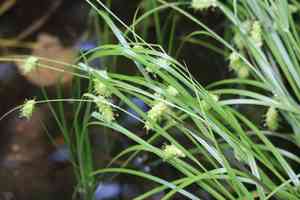
Distinguished by its tendency to form clusters, tuckerman's sedge flourishes in moist conditions and generates thick bunches of leaves. Trim tuckerman's sedge in early spring or winter to eliminate withered or injured foliage and encourage more robust development. Performing cuts during these times coincides with its inactive phase, lessening strain on the plant. Consistent trimming aids tuckerman's sedge by preserving its form and boosting vitality, guaranteeing its ongoing prosperity as a sturdy groundcover in horticultural displays.
What Are the Benefits of Pruning Tuckerman's Sedge?
What Are the Benefits of Pruning Tuckerman's Sedge?
Trimming tuckerman's sedge encourages strong development and preserves its desired form. Regular cutting helps manage its spread and promotes denser, healthier leaves, improving the garden's look.
What Is the Best Time for Pruning Tuckerman's Sedge?
What Is the Best Time for Pruning Tuckerman's Sedge?
Trimming tuckerman's sedge in early spring is optimal as it coincides with the start of its active growth, allowing the plant to quickly recover and regrow. This timing ensures cuts don't impede the growth cycle of tuckerman's sedge, which begins to produce new shoots vigorously as temperatures rise. Winter pruning is also beneficial because tuckerman's sedge is dormant then. This makes shaping and thinning easier as the plant's structure is more visible, and there's less risk of stress or disease affecting the plant while its growth is paused. Both seasons help maintain plant health and vigor by removing old or damaged foliage, thus stimulating healthier and more robust growth.
What Tools Do I Need to Prune Tuckerman's Sedge?
Hand Pruners
Perfect for cutting thinner, grass-like leaves and dead material to maintain plant health. Ensure blades are sharp for clean cuts without harming tuckerman's sedge.
Garden Scissors
Suitable for precisely shaping tuckerman's sedge. These allow for more detailed work on the plant without damaging the dense clumps that may form.
Grass Shears
Effective for trimming old foliage in larger or thick patches of tuckerman's sedge. These shears offer greater control and are suitable for cutting at ground level.
How to Prune Tuckerman's Sedge
Prepare
Gather appropriate pruning tools such as sharp, clean scissors or pruning shears. Sanitize the blades with a solution of 1 part bleach to 9 parts water to prevent disease spread.
Inspect
Carefully examine tuckerman's sedge for any signs of diseased or withered leaves. Accurately identifying these parts is crucial to ensure only necessary foliage is removed.
Cut diseased leaves
Begin pruning by carefully removing any diseased leaves. Cut at the base of the leaf where it meets the stem or soil, trying not to disturb healthy surrounding foliage.
Cut withered leaves
After removing diseased leaves, proceed to trim any withered or dead leaves. These can be identified by their dry and lifeless appearance. Clean cuts help promote better plant health and appearance.
Cleanup
Properly dispose of all removed foliage to prevent any potential disease spread. Clean and disinfect your tools again after finishing to maintain them for future use.
Common Pruning Mistakes with Tuckerman's Sedge
Overpruning
A common error when pruning tuckerman's sedge is removing too much foliage at once, which can stress the plant and hinder its growth. This sedge should retain a significant amount of its foliage to maintain energy production and ensure robust health.
Improper technique
Using dull or unsanitary pruning tools on tuckerman's sedge can lead to jagged cuts and potential disease introduction. It is crucial to use sharp, clean tools to make clean cuts that heal quickly, minimizing stress on the plant.
Wrong timing
Pruning tuckerman's sedge at incorrect times can prevent it from flourishing optimally. Avoid pruning during periods of stress for the plant, such as during extreme weather conditions or when it is particularly dry or wet.
Common Pruning Tips for Tuckerman's Sedge
Selective thinning
Focus on thinning out the oldest and most overgrown parts of tuckerman's sedge to improve air circulation and light penetration throughout the center of the clump. This method encourages new growth while maintaining the plant's natural shape and density.
Height reduction
If necessary, tuckerman's sedge can be cut back to control its size and encourage denser, healthier foliage. However, do not reduce the plant's height by more than one-third, as this can lead to stress and poor plant health.
Post-bloom care
After tuckerman's sedge has completed its seasonal blooming, it's beneficial to prune out old flower stalks to tidy up the plant and focus its energy on root and foliage development rather than seed production.



