How to Propagate Tuckerman's sedge?
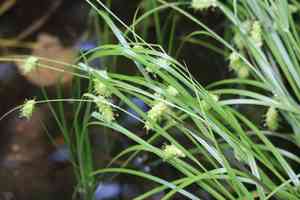
Tuckerman's sedge flourishes when reproduced via separation. This technique entails meticulously dividing the root mass during inactive phases to foster vigorous development. Verifying that each segment possesses sufficient roots enhances the likelihood of success. Following division, promptly re-establish the portions in damp, adequately draining substrate, preserving steady hydration to aid their integration.
Optimal Period for Propagating Tuckerman's Sedge
Propagation Method
Division
Propagation Period
Spring,Autumn
Tools Utilized in Tuckerman's Sedge Propagation
Garden spade or digging fork
Crucial for carefully extracting the root ball of tuckerman's sedge. This implement allows for gentle soil lifting without excessive root disturbance, preserving plant vitality.
Sharp knife or garden shears
Employed to cleanly sever the root mass of tuckerman's sedge. A keen instrument ensures precise, smooth cuts, aiding in quicker root healing and minimizing disease risk.
Watering can or hose with a gentle spray setting
Vital for irrigating tuckerman's sedge post-replanting. Gentle watering helps settle soil around roots, eliminating air pockets and providing essential hydration for root recovery and growth.
Garden gloves
Protect hands during the division process and offer improved grip when handling tuckerman's sedge, especially in damp soil. Gloves also prevent potential irritation from plant sap contact.
Rooting hormone (optional)
Can be applied to cut surfaces of tuckerman's sedge to stimulate root development. This is particularly beneficial if the plant's roots are delicate or if growing conditions are suboptimal.
Mulch
Applied after planting to help retain soil moisture around tuckerman's sedge, reduce weed competition, and provide temperature stability. Mulch is crucial for new divisions to establish without undue stress.
How to Propagate Tuckerman's Sedge?
Propagation Type
Easy
Caring for Your Newly Propagated Tuckerman's Sedge
Caring for Your Newly Propagated Tuckerman's Sedge?
Tuckerman's sedge thrives in damp to wet conditions, so consistent watering is necessary, especially if natural rainfall is insufficient. They prefer partial to full shade; avoid overly sunny locations. Mulching helps maintain soil moisture and temperature, and suppresses weeds. An annual application of balanced fertilizer in spring will promote robust growth and health. Monitor for pests and diseases, though tuckerman's sedge is generally quite resilient.
Common Errors to Avoid When Propagating Tuckerman's Sedge
Insufficient moisture regulation
Improper moisture levels during tuckerman's sedge propagation can lead to either drying out or root rot, both severely impeding root development and plant survival.
Poor soil composition
Using unsuitable soil mixes that lack proper drainage or organic matter can create an unfavorable environment for tuckerman's sedge roots, affecting its ability to establish and grow.
Overcrowding
Planting tuckerman's sedge too closely can restrict air circulation and reduce light penetration, encouraging disease spread and nutrient competition, all detrimental to healthy growth.
Tips For Propagating Tuckerman's Sedge
Use of well-draining, rich soil
Prepare a soil mixture abundant in organic material and ensure it drains effectively to support the healthy root development of tuckerman's sedge.
Controlled moisture
Ensure consistent dampness but avoid waterlogged conditions. Tuckerman's sedge thrives in moist, but not soggy, environments which support optimal root growth without risking fungal diseases.
Appropriate spacing
Provide tuckerman's sedge with adequate room to grow without competition. This improves air circulation, reduces disease transmission, and allows individual plants to flourish.



