How to Transplant Shaved sedge?
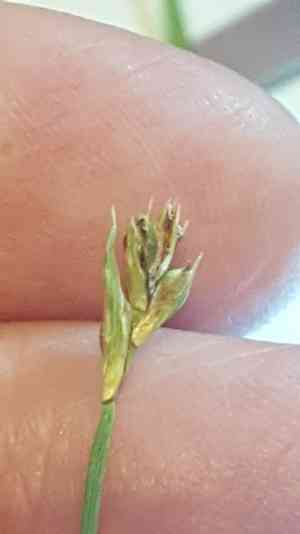
Shaved sedge flourishes when relocated during the early to mid-spring or early autumn periods, owing to temperate conditions. Optimal sites feature partial shade and soil that drains effectively. Verify that the chosen area fulfills these requirements for a successful transplantation.
What Preparations are Necessary Before Relocating Shaved Sedge?
When is the Best Time to Move Shaved Sedge?
The most favorable times for relocating shaved sedge are from mid to late spring or early to mid-autumn. Moving them during these periods enables shaved sedge to develop robust root systems prior to the harsh conditions of summer or winter. This timing promotes better development and resilience, minimizing transplant shock and enhancing the plant's overall vitality.
What Distance Should Be Maintained Between Shaved Sedge Plants?
When relocating shaved sedge, ensure a spacing of 12-18 inches (30-45 cm) between plants. This distance provides ample room for root expansion and prevents overcrowding, guaranteeing each plant receives sufficient nutrients and air circulation for vigorous growth.
What is the Optimal Soil Blend for Shaved Sedge Relocation?
Prepare well-draining soil for shaved sedge by mixing sand, loam, and organic material. It flourishes in slightly acidic to neutral pH levels. Incorporate a balanced, slow-release base fertilizer to supply essential nutrients during the initial growth phase.
Where Should You Replant Your Shaved Sedge?
Shaved sedge prefers partial to full sun exposure, so select a spot that receives approximately 6-8 hours of sunlight daily. If full sun is unavailable, partial shade with filtered light will also suffice, provided the plant gets enough illumination to thrive.
What Tools Should You Get Ready Before Relocating Shaved Sedge?
Gardening Gloves
To safeguard your hands while handling soil and plants.
Shovel or Spade
For excavating trenches and lifting the plant from the ground.
Trowel
Useful for digging smaller holes and transferring earth.
Watering Can or Hose
To hydrate the plant before and after its relocation.
Compost or Organic Matter
To enrich the soil in the new planting area.
Mulch
To aid in moisture retention and temperature regulation of the soil post-transplant.
How Do You Extract Shaved Sedge from the Ground?
How Do You Extract Shaved Sedge from the Ground?
From Ground: First, moisten the shaved sedge plant to dampen the soil. Then, excavate a wide trench around the plant using a shovel or spade, ensuring the plant's root ball remains intact. Carefully work the spade beneath the root ball to lift the plant from its original spot.From Pot: Thoroughly water the shaved sedge plant. Gently tilt the pot sideways and tap its base to loosen the soil. Carefully slide the plant out of the pot, taking care not to harm the roots.From Seedling Tray: Water the soil in the tray thoroughly. Use a trowel or your hands to gently scoop beneath the plant, lifting it with as much surrounding soil as possible to keep the root ball intact.
Step-by-Step Guide for Relocating Shaved Sedge
Preparing the New Site
Start by preparing the new location for the shaved sedge plant. Dig a hole that is twice as wide and the same depth as the root ball.
Enriching the Soil
Incorporate compost or organic matter into the excavated soil to create a nutrient-rich environment for the shaved sedge plant.
Positioning the Plant
Place the shaved sedge plant into the hole. Ensure the top of the root ball is level with the surrounding soil. Backfill the hole with the enriched soil, gently firming it around the plant's base.
Watering
Thoroughly water the newly planted shaved sedge to help settle the soil around the roots and eliminate any air pockets.
Applying Mulch
Spread a layer of mulch around the plant's base to help retain moisture and regulate soil temperature. Keep the mulch a few inches away from the stem to prevent rot.
How Do You Care For Shaved Sedge After Relocation?
Watering
Keep the soil around the shaved sedge consistently moist, but not waterlogged, for the initial few weeks post-transplant to aid in establishing strong roots.
Monitoring
Observe the shaved sedge plant for indications of stress such as wilting or yellowing leaves, and take corrective measures if necessary (e.g., adjusting irrigation schedule).
Mulch Maintenance
Maintain the layer of mulch to continue supporting soil moisture retention and temperature regulation.
Fertilization
After a few weeks, you can begin applying a balanced, slow-release fertilizer to support the ongoing growth of the shaved sedge plant.
Troubleshooting Common Issues with Shaved Sedge Relocation.
When is the optimal time to move shaved sedge?
Relocate shaved sedge during mid or late spring, or early to mid-fall for best outcomes.
What distance should I maintain between each shaved sedge?
Space each shaved sedge 12 to 18 inches (30 to 46 cm) apart to allow for development.
What action should I take if shaved sedge roots are harmed during relocation?
Trim any damaged roots and ensure remaining roots are healthy before planting shaved sedge.
How do I prepare the new site for shaved sedge?
Loosen soil to a depth of 8 inches (20 cm) and enrich with organic material.
What should I do if shaved sedge appears droopy after relocation?
Water thoroughly and provide shade for the initial few days to help shaved sedge recover.
How deep should shaved sedge be planted?
Plant shaved sedge at the same depth it was growing in its original spot.
Should I fertilize shaved sedge when relocating?
Incorporate a balanced fertilizer with the soil during planting to support shaved sedge's growth.
What should I do if the soil is compacted?
Aerate the soil thoroughly before planting shaved sedge to ensure proper root development.
How frequently should I water shaved sedge after relocation?
Water shaved sedge immediately after relocating, then keep the soil moist but not saturated.
What kind of soil is ideal for shaved sedge?
Shaved sedge thrives in well-drained, nutrient-rich soil for optimal health and growth.



