How to Propagate Shaved sedge?
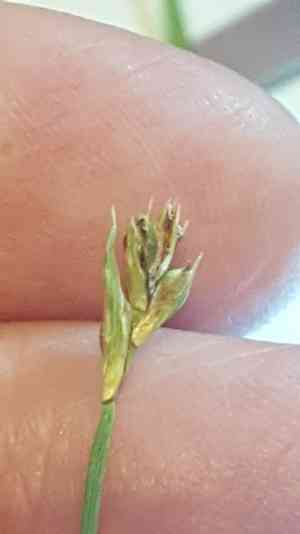
Carex testacea is a perennial sedge variety recognized for developing thick clusters. Reproduction primarily entails separating the plant's underground stems, making sure every segment possesses roots and new growth. This technique aids in revitalizing mature plants and expanding their quantity. The substrate ought to be damp yet adequately drained, abundant in organic matter. Appropriate spacing fosters robust development. Regular attention guarantees successful propagation.
What Is the Best Time To Propagate Shaved Sedge?
Propagation Type
Splitting
Propagation Season
Spring,Autumn
What Tools Are Used in Shaved Sedge Propagation?
Spade or Garden Fork
Utilized for carefully unearthing mature clumps of shaved sedge to access the root system without harming the plant. Crucial for separating the plant into smaller sections for division.
Garden Knife
Aids in separating shaved sedge clumps by carefully cutting through the root mass. Its sharp blade ensures clean cuts, minimizing damage to the plantâs roots.
Plant Labels
Essential for tracking the various sections of shaved sedge post-division. Ensures proper identification and care, vital for the plantâs successful establishment.
Rooting Hormone
Optional, yet can be advantageous when replanting shaved sedge divisions. Promotes vigorous root development, enhancing the likelihood of successful establishment.
Watering Can with Fine Rose
Delivers gentle irrigation to new shaved sedge divisions, ensuring roots remain undisturbed while maintaining consistent soil moisture.
Mulch
Helps retain soil moisture and suppress weeds around new divisions. Crucial for maintaining optimal growing conditions for shaved sedge after propagation.
Pruning Shears
Used to trim any damaged or dead foliage after division. Encourages healthy growth by allowing the plant to direct energy towards root establishment.
How to Propagate Shaved Sedge?
Propagation Type
Simple
How to Care for Your Newly Propagated Shaved Sedge?
How to Care for Your Newly Propagated Shaved Sedge?
Post-propagation, shaved sedge needs consistent watering to develop strong roots. It's important to keep the soil moist but not waterlogged. Maintain a weed-free area around the plants and apply a balanced fertilizer during the growing season. Monitor for pests or diseases and take appropriate action if needed. With proper care, shaved sedge will flourish and provide attractive foliage.
Common Mistakes to Avoid When Propagating Shaved Sedge
Overwatering
Excessive moisture can lead to root rot, severely impacting the plant's health and its ability to propagate successfully.
Improper Soil Selection
Using soil that is too dense or lacks good drainage can suffocate the roots, resulting in poor growth and establishment.
Neglecting Light Requirements
Placing shaved sedge in insufficient lighting conditions can lead to stunted growth and weak plants, making propagation challenging.
Incorrect Division Technique
Dividing the plants improperly can harm the roots and rhizomes, leading to lower survival rates for the new plants.
Tips For Propagating Shaved Sedge
Moderate Watering
Ensure the soil is moist but not waterlogged to prevent root rot. Water the plant when the top inch of soil feels dry.
Well-Draining Soil
Utilize a well-draining soil mix to encourage healthy root growth and prevent water from accumulating around the roots.
Appropriate Light
Provide sufficient sunlight, preferably partial to full sun, to support robust growth and enhance the success rate of propagation.
Careful Division
When dividing shaved sedge, use a sharp tool to carefully separate the roots and rhizomes, ensuring each division has a healthy section of roots.



