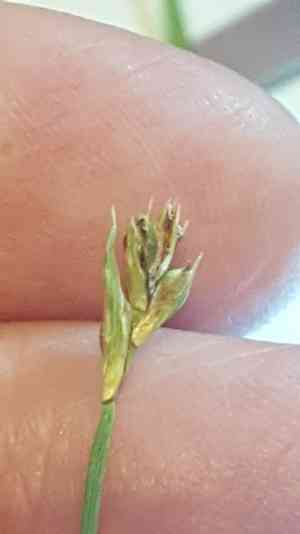
Shaved sedge (Carex tonsa)
Also known as: Umbel-like sedge
Shaved sedge is a hardy perennial that excels in dry, sandy environments. It grows in clumps with slender, grass-like leaves and features dense, brownish flower spikes. Its robust root network stabilizes the soil, enabling it to withstand tough conditions. This resilience makes shaved sedge a key element in coastal and dune ecosystems, where it helps prevent erosion and supports habitat stability.
In This Article
Attributes of Shaved sedge
Lifespan
Perennial
Plant Type
Grass
Plant Height
0 mm to 30 cm
Spread
20-30 cm
Leaf Color
Green
Flower Size
Small, less than 1 cm
Flower Color
White Yellow Green
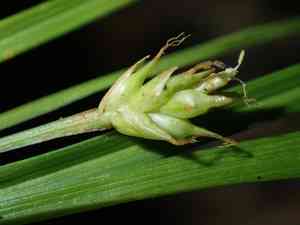
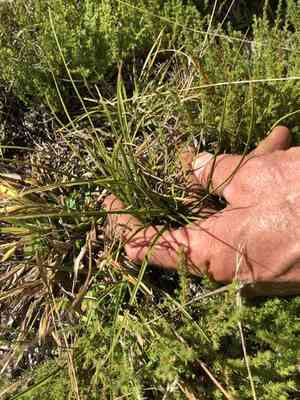
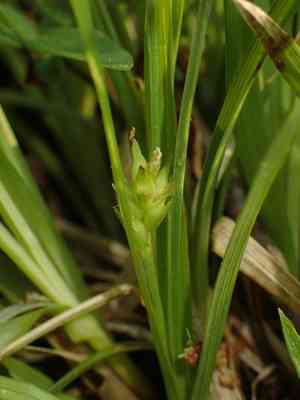
Images of Shaved sedge
Quickly Identify Shaved sedge
1
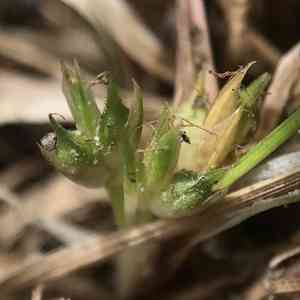
Carex tonsa can be identified by its slender, triangular stems, and grass-like leaves. The plant typically forms dense clumps and produces small, brownish flower spikes.
Scientific Classification of Shaved sedge
Phylum
Vascular plants
Class
Monocotyledons
Order
Poales
Family
Sedge
Genus
True sedges
Species
Shaved sedge
Planting and Growing of Shaved sedge
Care Difficulty
Moderate
Watering Schedule
Every 2 days
Sunlight Requirements
Partial sun
Sunshine Duration
6-12 hours
Ideal Temperature
65-75℉
Soil Type
Potting Mix, Peat Mix
Soil pH
6.5-7.5
Fertilizer Type
Balanced
Pruning Season
Spring, Summer
Pruning Area
Branches, Leaves
Pruning Frequency
2 times a year
Repotting Season
Spring
Pot Type
Plastic, Ceramic
 How to Water Shaved sedge?
Water thoroughly until the soil is evenly moist but not soggy. The principle is to allow the top inch of soil to dry out slightly between waterings. This helps to prevent root rot while ensuring adequate moisture for the plant.
What are the symptoms of an underwatered Shaved sedge?
›
What should I do if my Shaved sedge is not getting enough water?
›
What are the symptoms of an overwatered Shaved sedge?
›
How to save an overwatered Shaved sedge?
›
 What Are the Sunlight Requirements for Shaved sedge?
Partial sun to full shade provides Carex tonsa with the ideal growth conditions, offering just enough light for effective photosynthesis. Ideal lighting supports robust an expansion of its foliage, maintaining its ornamental appeal.
How much sunlight does Carex tonsa need?
›
How to achieve ideal lighting for Carex tonsa?
›
Benefits of Carex tonsa receiving ideal lighting?
›
 What Is the Ideal Temperature Range for Shaved sedge?
Carex tonsa thrives best in temperatures ranging from 65°F to 75°F. This temperature range provides the optimal conditions for growth and encourages vibrant foliage. Maintaining these temperatures supports various essential physiological functions, such as photosynthesis and nutrient uptake, ensuring healthy development of the plant.
 What Soil is Best for Shaved sedge?
Carex tonsa thrives in well-drained soils that prevent waterlogging, which could otherwise lead to root rot. This type of soil ensures proper air circulation around the roots, promoting robust root development and overall plant health. A nutrient-rich soil provides Carex tonsa with essential minerals that support its growth and vibrant foliage. By maintaining adequate nutrient levels, the plant can exhibit a resilient structure and vibrant coloring. While Carex tonsa prefers well-drained conditions, it benefits from soils with good moisture retention. This balance enables the plant to withstand short dry spells without wilting, maintaining lush greenery throughout.
 How to Fertilize Shaved sedge?
For Carex tonsa, it's crucial to use a balanced approach when it comes to fertilization. Use approximately one-quarter of the recommended dosage found on the fertilizer packaging, as this plant prefers nutrient-rich but not overly fertilized soil. It's better to under-fertilize slightly than to over-apply nutrients which could damage the plant.
 How to Prune Shaved sedge?
Start by removing any dead or damaged blades using a clean pair of pruning shears. Then, trim back overgrown areas to maintain the desired shape and size. Aim to keep the plant compact and neat. Ensure that you cut back to just above a node to encourage new growth. If the plant becomes too dense, you can rejuvenate it by cutting it back to a few inches above the soil level during its dormant period. This may feel drastic, but it will foster a burst of fresh, vigorous growth in the following season.
More About Pruning Techniques→
 How to Propagate Shaved sedge plant?
1
Carex tonsa can be propagated through division by carefully removing the plant from the ground and using a garden spade to separate the root clumps. Ensure each section has a healthy shoot for successful growth.
2
Fill seed trays with a light, well-draining potting mix. Lightly scatter the Carex tonsa seeds over the surface and gently cover them with a thin layer of soil. Keep the trays in a warm environment with consistent moisture.
3
After dividing the root clumps, transplant the individual sections to a prepared bed with rich soil. Water them thoroughly to help the roots establish, ensuring they have adequate space to grow and spread.
 How to Repot Shaved sedge plant?
1
Look for signs such as stunted growth, roots growing out of drainage holes, or reduced water absorption. These are clear indicators that Carex tonsa needs more space to thrive.
2
Select a pot that's about one size larger than the current one, with adequate drainage holes. This allows for healthy root expansion and prevents waterlogging, which can lead to root rot.
3
Opt for a well-draining sandy loam to provide enough aeration and moisture retention. This prevents root rot and supports balanced nutrition for Carex tonsa's optimal growth.



