How to Transplant Sparseflower sedge?
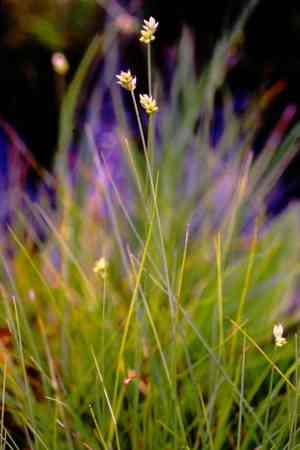
Sparseflower sedge is most successfully relocated from early to late spring or the start of winter, flourishing in damp, well-draining environments. Provide partial shade to full sunlight for its best development. Sufficient irrigation after transplanting is crucial for root establishment.
What Preparations are Necessary Before Relocating Sparseflower Sedge?
What is the Optimal Period for Relocating Sparseflower Sedge?
Sparseflower sedge should be moved between the beginning and end of spring or early winter. These times provide prime growing conditions due to mild temperatures and sufficient moisture, fostering robust root development. Transplanting during these periods reduces shock and boosts the plant's resilience and vitality, ensuring successful establishment and long-term health.
What is the Recommended Spacing Between Sparseflower Sedge Plants?
To ensure your sparseflower sedge plant flourishes, position each one approximately 12-18 inches (30-45 cm) apart. This provides ample room for growth and air circulation.
What is the Best Soil Mixture for Sparseflower Sedge Relocation?
For sparseflower sedge, prepare a soil mix that drains well. Loamy soil is ideal. You can enrich the soil with a foundational fertilizer rich in organic matter. Compost or slow-release balanced fertilizers are effective.
Where Should You Move Your Sparseflower Sedge?
When selecting a new spot for sparseflower sedge, aim for an area with partial shade to full sun. This plant thrives with 4-6 hours of daily sunlight, ensuring it receives enough light to prosper.
What Tools Should You Prepare Before Moving Sparseflower Sedge?
Gardening Gloves
To safeguard your hands while handling soil and the plant.
Shovel or Spade
For excavating the plant and the new planting site.
Watering Can or Hose
To hydrate the plant before and after its relocation.
Trowel
For more precise digging, especially when moving from a pot or tray.
Bucket or Container
To transport the plant if moving it from one spot to another.
Mulch
To help maintain soil moisture after the move.
Stakes and Ties
To support the plant if it is tall or top-heavy following its relocation.
How Do You Extract Sparseflower Sedge from the Ground?
How Do You Extract Sparseflower Sedge from the Ground?
From Ground: First, water the sparseflower sedge plant to moisten the soil. Then, dig a wide trench around the plant using a shovel or spade, ensuring the plant's root ball remains intact. Carefully work the spade beneath the root ball to lift the plant from its original position.From Pot: Water the sparseflower sedge to moisten the soil. Gently tip the pot on its side and tap the base to help ease the plant out. If the plant is root-bound, you may need to gently separate the roots.From Seedling Tray: Water the seedlings and use a trowel or your fingers to gently lift each sparseflower sedge from the tray, taking care not to harm the roots.
Step-by-Step Guide for Relocating Sparseflower Sedge
Location Selection
Choose a spot with adequate sunlight and room for your sparseflower sedge plant to reach its mature size.
Excavating the Hole
Dig a new hole that is twice as wide and the same depth as the root ball of your sparseflower sedge. This provides ample space for the roots to spread.
Incorporating Soil Enhancements
If the soil in the new location is poor, you can add some compost to the bottom of the hole to supply additional nutrients.
Positioning the Plant
Place the sparseflower sedge into the new hole, ensuring that the top of the root ball is level with the surrounding soil.
Refilling the Hole
Fill the hole with soil, pressing down gently to remove air pockets. Be careful not to cover the plant's crown where the stems emerge.
Watering
Give the sparseflower sedge a thorough watering immediately after planting to help settle the soil around the roots.
Mulching
Apply a layer of mulch around the base of the plant to help retain moisture and suppress weeds.
How Do You Care For Sparseflower Sedge After Relocation?
Watering
Keep the soil around the sparseflower sedge consistently moist, but not waterlogged, for the initial few weeks after transplanting to aid in strong root establishment.
Weeding
Regularly remove weeds from around the base of the sparseflower sedge to lessen competition for nutrients and water.
Monitoring
Keep a close watch on the sparseflower sedge for signs of transplant shock, such as wilting or yellowing leaves, and provide additional care as needed.
Pruning
Trim back any damaged or excessively long stems to help the sparseflower sedge focus on root development.
Addressing Common Issues with Sparseflower Sedge Relocation.
When is the best time to move sparseflower sedge?
Early to late spring or early winter is ideal for relocating sparseflower sedge.
How should I prepare the soil before moving sparseflower sedge?
Loosen the soil and mix in compost for improved drainage and nutrients.
What spacing is advised when relocating sparseflower sedge?
Space the plants 12-18 inches (30-45 cm) apart for optimal growth.
How deep should I plant sparseflower sedge during relocation?
Plant sparseflower sedge at the same depth it was growing previously to prevent stress.
How often should I water sparseflower sedge after relocating?
Water sparseflower sedge thoroughly after transplanting and keep the soil consistently moist.
What do I do if sparseflower sedge's leaves turn yellow after relocating?
Yellow leaves may indicate overwatering or poor drainage; adjust watering and check soil drainage.
How can I protect sparseflower sedge from transplant shock?
Minimize root disturbance, water well, and provide partial shade for the first few weeks.
Can I use mulch after relocating sparseflower sedge?
Yes, apply a layer of mulch to help retain moisture and regulate soil temperature.
What should I do if sparseflower sedge wilts after relocating?
Ensure adequate watering and check for pests or disease; wilting may be a temporary response.
Is it normal for sparseflower sedge to grow slowly after relocating?
Yes, sparseflower sedge may take some time to establish and grow vigorously after transplanting.



