How to Prune Sparseflower sedge?
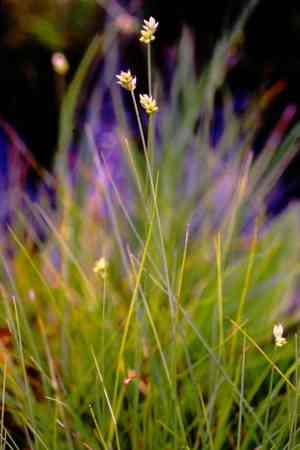
Carex eburnea is a perennial grass-like plant recognized for its delicate, clustered form. For best results, trim away any withered or compromised leaves and spent flower stalks to stimulate fresh development. This task is ideally performed in early spring or throughout its winter resting period to prevent interference with its natural development. Regular trimming sustains the plant's vigor and boosts its aesthetic appeal. Always utilize sanitized, keen implements to avert the spread of pathogens and ensure precise incisions.
What Are the Benefits of Pruning Sparseflower Sedge?
What Are the Benefits of Pruning Sparseflower Sedge?
Sparseflower sedge benefits from trimming by encouraging strong development and maintaining its form. Pruning helps stimulate new shoots, improves visual appeal, and can prevent congestion, allowing better air circulation which reduces vulnerability to pests and diseases.
What Is the Best Time for Pruning Sparseflower Sedge?
What Is the Best Time for Pruning Sparseflower Sedge?
Trimming sparseflower sedge in early spring or winter aligns with its growth cycle, ensuring minimal plant stress. During these seasons, sparseflower sedge is in a dormant or less active growth phase. Pruning in early spring promotes healthy new growth as the plant prepares for its active growing season, ensuring robust development. Winter pruning is beneficial because sparseflower sedge has reduced metabolic activity, which minimizes the risk of disease and pest infestations, and allows for clear visibility of the plant structure.
What Tools Do I Need to Prune Sparseflower Sedge?
Hand Pruners
Ideal for precise cuts and managing small, individual stems or leaves of sparseflower sedge. Choose bypass pruners for a cleaner cut.
Hedge Shears
Used for shaping and trimming larger areas, allowing for the neat maintenance of bigger patches of sparseflower sedge.
Pruning Knife
Perfect for cutting back dead foliage or older stems. Provides accuracy and control where scissors or pruners might be too large.
Gloves
Essential for protecting hands from potential cuts and scratches while pruning sparseflower sedge.
Rake
Useful for gathering trimmed foliage to keep the area tidy and prevent disease or pest infestation.
How to Prune Sparseflower Sedge
Inspection
Examine sparseflower sedge for any leaves that show signs of disease or are withered. This initial inspection helps in identifying parts that require immediate attention and ensures healthy growth.
Preparation
Gather necessary pruning tools, such as sterilized scissors or pruning shears, to prevent the spread of disease. Ensure that the tools are sharp to make clean cuts.
Trimming Diseased Leaves
Carefully remove any leaves that display signs of disease. Cut at the base of the affected leaf, avoiding damaging nearby healthy parts of sparseflower sedge. This helps prevent the spread of disease to healthy foliage.
Trimming Withered Leaves
Prune the withered or dead leaves by cutting them close to the base. Ensure that you do not leave behind any dead material that could become breeding grounds for pests or disease.
Cleanup
Dispose of all removed leaves away from the garden area. Clean your tools with disinfectant after pruning to ensure they do not carry any pathogens to other plants.
Common Pruning Mistakes with Sparseflower Sedge
Excessive pruning
Over-trimming sparseflower sedge can lead to stress and reduce its vigor. Cutting too much at once, especially down to the base, can harm the plant.
Improper tool use
Using dull or dirty pruning tools can cause ragged cuts and introduce diseases. Always use sharp, clean tools.
Incorrect cut placement
Making cuts too close to the plantâs base or cutting off significant portions of healthy foliage can negatively impact growth.
Inconsistent pruning
Pruning sparseflower sedge inconsistently or forgetting to prune for long periods can result in an uneven, unhealthy plant structure.
Common Pruning Tips for Sparseflower Sedge
Light trimming
Light trimming of sparseflower sedge helps maintain its shape and encourages robust growth. Focus on removing dead or damaged leaves.
Sterilize tools
Always sterilize pruning tools before use to prevent the spread of diseases. A solution of one part bleach to nine parts water works well.
Angle your cuts
Make cuts at a slight angle to facilitate water runoff, avoiding water accumulation that can lead to rot.
Monitor growth
Regularly monitor the growth of sparseflower sedge and prune as needed to maintain healthy development. Consistency is key to preventing overgrowth.



