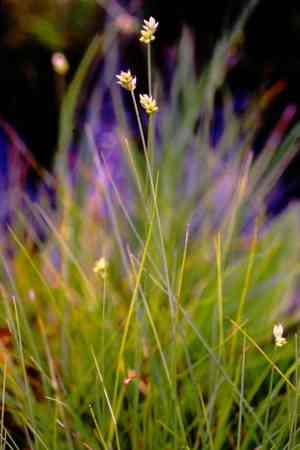
Sparseflower sedge (Carex tenuiflora)
Also known as: Slender Sedge
Sparseflower sedge (Carex infirminervia) is characterized by its fine, thread-like leaves that grow in tufted clumps, favoring moist to wet environments such as bogs and wet meadows. This preference for waterlogged soils allows it to thrive with reduced competition from other species. The plant bears small, understated brown flowers, which play a crucial role in its reproductive process by producing tiny seeds that can be easily dispersed in its wet habitat, ensuring successful propagation.
In This Article
Attributes of Sparseflower sedge
Lifespan
Perennial
Plant Type
Grass
Plant Height
10 cm to 51 cm
Spread
10-30 cm
Leaf Color
Green
Flower Size
Not applicable; flowers are small and inconspicuous
Flower Color
Yellow Green Brown
Images of Sparseflower sedge
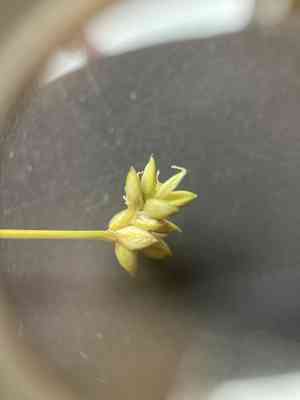
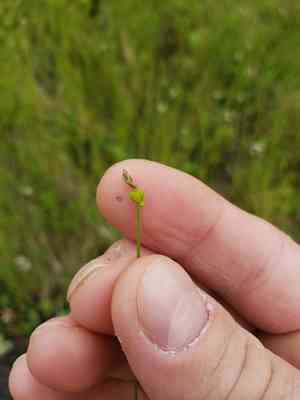
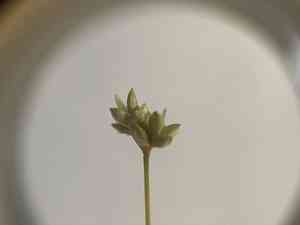
Quickly Identify Sparseflower sedge
1
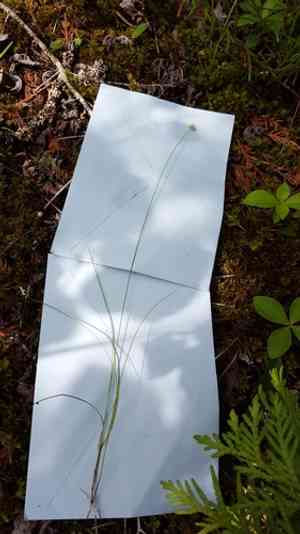
The plant can be identified by its slender, tufted stems and narrow leaves. It often has a clumping growth habit, and the inflorescences are composed of loose, spikelet-like structures.
Scientific Classification of Sparseflower sedge
Phylum
Vascular plants
Class
Monocotyledons
Order
Poales
Family
Sedge
Genus
True sedges
Species
Sparseflower sedge
Planting and Growing of Sparseflower sedge
Care Difficulty
Moderate
Watering Schedule
Every 2 days
Sunlight Requirements
Partial sun
Sunshine Duration
4-6 hours
Ideal Temperature
50-68℉
Soil Type
Potting Mix, Peat Mix
Soil pH
4.5-6.5
Fertilizer Type
Balanced
Pruning Season
Spring, Summer
Pruning Area
Branches, Leaves
Pruning Frequency
2 times a year
Repotting Season
Spring
Pot Type
Plastic, Ceramic
 How to Water Sparseflower sedge?
Carex tenuiflora requires careful attention: ensure the soil is moist but not waterlogged. Water around 150 ml each time, and always check that excess water drains easily through the soil. This helps balance moisture levels and prevents root rot.
What are the symptoms of an underwatered Sparseflower sedge?
›
What should I do if my Sparseflower sedge is not getting enough water?
›
What are the symptoms of an overwatered Sparseflower sedge?
›
How to save an overwatered Sparseflower sedge?
›
 What Are the Sunlight Requirements for Sparseflower sedge?
Carex tenuiflora prefers partial sun, which balances light and shade to enhance its foliage color and density, preventing the usual accompanying plant stress.
How much light does Carex tenuiflora need?
›
What is the solution for providing ideal lighting?
›
What are the effects of ideal lighting on this plant?
›
 What Is the Ideal Temperature Range for Sparseflower sedge?
The ideal temperature range for growing Carex tenuiflora is between 50°F and 68°F. This range supports optimal growth and physiological processes, ensuring healthy foliage and root development. Maintaining temperatures within this range helps prevent stress and promotes robust growth in various light conditions.
 What Soil is Best for Sparseflower sedge?
Carex tenuiflora thrives in moist soil conditions, which helps maintain optimal hydration levels. This moisture retention is crucial to support healthy root development and prevent desiccation, especially during dry spells. Rich organic matter is essential for Carex tenuiflora as it provides necessary nutrients that support vibrant growth and resilience. The decomposition of organic material enriches the soil, fostering a thriving environment for the plant. Well-aerated soil ensures that roots receive the oxygen they need. This condition helps prevent root rot and promotes vigorous plant growth by allowing adequate gas exchange at the root level.
 How to Fertilize Sparseflower sedge?
Carex tenuiflora prefers a balanced application of fertilizer that does not overwhelm its delicate structure. When using liquid fertilizers, apply at half the recommended strength approximately two times a month. Solid fertilizers should be applied sparingly, no more than three times a year, as this plant thrives in moderately rich, well-drained soil conditions.
 How to Prune Sparseflower sedge?
To prune Carex tenuiflora, begin by examining the plant for any damaged or diseased leaves. Use a pair of sharp scissors or pruning shears to cut off these parts to promote healthy growth. Trim back any overgrown or unsightly stems to maintain an even shape. For older plants, remove any dead or brown foliage that has accumulated over time. Ensure you disinfect your tools to prevent infection.
More About Pruning Techniques→
 How to Propagate Sparseflower sedge plant?
1
Begin by filling seed trays with a suitable potting mix. Scatter Carex tenuiflora seeds evenly and cover them lightly with soil. Maintain a consistent moisture level and place the trays in a location with indirect light. Germination typically occurs within a few weeks if kept at the right temperature.
2
Start by watering the plant thoroughly a day before division to hydrate the roots. Identify older clumps that have outgrown their space, and choose a cloudy day to reduce transplant stress. Ensure all necessary tools are sterilized to prevent disease transmission during the process.
3
Carefully dig up the Carex tenuiflora clump using a spade. Split the clump into smaller sections, making sure each section has healthy shoots and roots. Replant each division at the same depth they were growing originally and water them well to settle the soil around the roots.
 How to Repot Sparseflower sedge plant?
1
The perfect timing to repot Carex tenuiflora is signaled when the plant shows signs of being root-bound, with roots emerging from the drainage holes. A lack of vigor or stunted growth despite adequate care also indicates a need for repotting. Typically, spring or autumn are the best seasons to carry out this task.
2
Choosing the right pot for Carex tenuiflora is crucial. Opt for a pot that's one size larger than the current pot to allow room for growth. The pot should have proper drainage holes to avoid water stagnation, which can lead to root rot and harm the plant's health.
3
For optimal growth, select a soil that is moist and rich in nutrients. A slightly acidic soil mix that mimics the plant's natural habitat ensures good drainage while holding enough moisture, providing the ideal environment for root expansion and nutrient uptake.



