How to Propagate Sparseflower sedge?
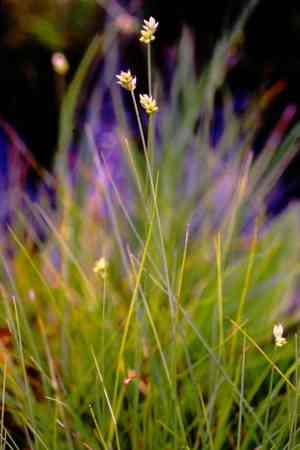
Sparseflower sedge is a perennial sedge recognized for its thin, fragile stalks. Effective multiplication can be accomplished by means of separation. Gently divide the root masses, making certain that every portion possesses healthy roots and nascent stems. Replant without delay in damp, adequately draining earth to foster rapid integration. Following these straightforward procedures will facilitate robust development and reproduction.
Optimal Time for Sparseflower Sedge Propagation
Propagation Method
Division
Propagation Period
Spring,Autumn
Tools for Sparseflower Sedge Propagation
Spade or Garden Fork
A robust spade or garden fork is crucial for carefully excavating sparseflower sedge without harming its root structure. These implements aid in gently lifting the plant from its growing spot, allowing access to the root ball for separation.
Sharp Knife or Pruners
A keen knife or pruners are essential for dividing the root mass of sparseflower sedge into smaller portions. This guarantees clean cuts that minimize root damage, fostering quicker recovery and establishment of each new segment.
Sterilizing Solution
A sanitizing solution, such as a diluted bleach mixture or rubbing alcohol, is vital for disinfecting tools before and after use. This prevents the spread of pathogens and diseases during the division process, ensuring healthy propagation material.
Rooting Hormone (Optional)
A rooting hormone can be advantageous when separating sparseflower sedge, as it stimulates root development and boosts the success rate of new divisions. Though not mandatory, it can be especially useful if the plant doesn't readily root on its own.
Watering Can or Hose with Fine Spray
A gentle watering can or a hose with a fine spray nozzle is critical for irrigating the newly divided sections of sparseflower sedge. Sufficient and gentle watering helps settle the soil around the roots and supports initial growth without causing soil compaction or harming the delicate roots.
Plant Labels
Plant labels are important for tracking the divisions of sparseflower sedge. Labeling each new section ensures you can monitor their progress and manage their care appropriately, preventing any confusion during their establishment phase.
Mulch
Applying mulch around the newly planted divisions of sparseflower sedge helps retain soil moisture, regulate temperature, and suppress weeds. This creates an ideal growing environment that supports healthy root development and lessens transplant shock.
How to Propagate Sparseflower Sedge?
Propagation Type
Easy
Caring for Your Newly Propagated Sparseflower Sedge
Caring for Your Newly Propagated Sparseflower Sedge
Post-propagation, ensure sparseflower sedge receives adequate hydration, particularly during the initial establishment phase. Keep the soil consistently damp but not waterlogged. Monitor for pests and diseases, taking action if necessary. Mulch annually to retain soil moisture and control weeds. Regularly check for overcrowding and repeat the division process every few years to maintain plant vigor and promote healthy growth.
Common Errors to Avoid When Propagating Sparseflower Sedge
Overwatering
Excessive water can lead to root rot, especially in young seedlings. Sparseflower sedge prefers slightly moist but well-drained soil.
Poor Soil Choice
Using soil that retains too much moisture or lacks nutrients can hinder growth. Sparseflower sedge thrives in nutrient-rich, well-draining soil.
Incorrect Division
Improperly dividing the clumps can damage the roots, leading to poor establishment. Ensure each division has a substantial root system.
Inadequate Light Conditions
Placing sparseflower sedge in areas with insufficient light can impede its growth. It generally prefers partial to full sunlight, depending on the environmental conditions.
Tips For Propagating Sparseflower Sedge
Proper Water Management
Maintain a balance in soil moisture, ensuring it's neither too wet nor too dry to prevent root diseases.
Use Appropriate Soil
A mix of loamy, well-draining soil enriched with organic matter enhances growth and establishment.
Correct Division Technique
When dividing, ensure each segment has ample roots and foliage to support its growth. Use sterile tools to avoid infections.
Optimal Light Conditions
Place sparseflower sedge in a location with adequate light partial to full sun based on regional recommendations to promote healthy growth.



