How to Transplant Alpine tufted sedge?
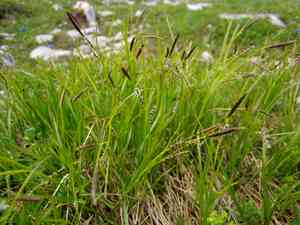
Alpine tufted sedge flourishes when relocated in mid-spring, benefiting from mild temperatures and abundant light. Optimal spots are brightly lit to partly shaded zones with soil that drains effectively. Confirm the chosen location replicates its natural alpine habitat for superior outcomes.
What Preparations are Needed Before Transplanting Alpine Tufted Sedge?
What is the Ideal Time for Transplanting Alpine Tufted Sedge?
The best time to move alpine tufted sedge, a perennial, is from late spring through early summer. This period allows the plant to establish roots in warmer ground, avoiding the harshness of peak summer heat. Transplanting at this point ensures strong development and resilience, setting the best foundation for thriving growth.
How Much Space Should You Leave Between Alpine Tufted Sedge Plants?
When relocating alpine tufted sedge, ensure adequate room for each plant by spacing them 12-18 inches (30-45 cm) apart. This provides sufficient space for growth and proper air circulation.
What is the Best Soil Mix for Alpine Tufted Sedge Transplanting?
For alpine tufted sedge, prepare the ground using well-drained, sandy or loamy soil. Incorporate a balanced, all-purpose fertilizer to give the plants a strong start.
Where Should You Relocate Your Alpine Tufted Sedge?
Select a spot that receives full sun to partial shade for transplanting alpine tufted sedge. This species thrives with at least 6 hours of sunlight but can endure some shade.
What Equipments Should You Prepare Before Transplantation Alpine Tufted Sedge?
Gardening Gloves
To safeguard your hands while handling soil and plants.
Shovel or Spade
To excavate the plant and prepare the new planting site.
Trowel
For more precise work around the root ball.
Pruning Shears
To trim any damaged roots or foliage.
Watering Can or Hose
To maintain soil moisture during the transplanting process.
Bucket or Container
To transport the plant from its original spot to the new location.
How Do You Remove Alpine Tufted Sedge from the Soil?
How Do You Remove Alpine Tufted Sedge from the Soil?
From Ground: First, hydrate the alpine tufted sedge plant to moisten the soil. Next, dig a wide trench around the plant using a shovel or spade, ensuring the plant's root ball remains intact. Carefully work the spade beneath the root ball to lift the plant from its initial position.From Pot: Water the alpine tufted sedge plant thoroughly before extracting it from the container. Gently tilt the pot on its side and tap the edges to loosen the soil. Carefully slide the plant out of the pot, making sure to keep the root ball whole.From Seedling Tray: Water the seedling tray completely. Use a small trowel or your fingers to gently lift the seedlings from the tray by the base, supporting the root ball as much as possible.
Step-by-Step Guide for Transplanting Alpine Tufted Sedge
Site Preparation
Ensure the new location is ready with properly loosened soil to accommodate the alpine tufted sedge's root system.
Digging the Hole
Excavate a hole that is twice as wide and as deep as the root ball of your alpine tufted sedge plant. The extra room helps roots spread out more easily.
Removing the Plant
Gently extract the alpine tufted sedge from its original spot as described in the 'removal process' section.
Placing the Plant
Position the alpine tufted sedge in the center of the hole, ensuring that the top of the root ball is level with the surrounding soil.
Backfilling the Hole
Refill the hole with soil, pressing gently to remove air pockets, but avoid compacting the soil too much.
Watering
Water the alpine tufted sedge thoroughly to help settle the soil around the roots and provide moisture for recovery from transplant shock.
Mulching
Apply a layer of mulch around the base of the plant to retain moisture and suppress weeds.
How Do You Care For Alpine Tufted Sedge After Transplanting?
Watering
Keep the soil around the alpine tufted sedge consistently moist, but not waterlogged, for the initial weeks after transplanting to aid in root establishment.
Monitoring
Check the alpine tufted sedge regularly for signs of stress such as wilting or yellowing leaves, and take appropriate action like adjusting watering or checking for pests.
Pruning
Trim back any damaged or dead foliage to encourage new growth and reduce the plant's energy demands while it establishes itself.
Weeding
Keep the transplant area free of weeds to reduce competition for nutrients and water.
Troubleshooting Common Issues with Alpine Tufted Sedge Transplantation.
When is the best time to transplant alpine tufted sedge?
Late spring to early summer is ideal for relocating alpine tufted sedge for optimal growth and health.
How much space should I give alpine tufted sedge when transplanting?
Alpine tufted sedge should be spaced 12-18 inches (30-45 cm) apart to allow proper growth.
What type of soil is best for transplanting alpine tufted sedge?
Use well-draining, acidic to neutral soil enriched with organic matter for transplanting alpine tufted sedge.
How deep should I plant alpine tufted sedge during transplanting?
Plant alpine tufted sedge at the same depth it was in its previous location to avoid stress.
What should I do if alpine tufted sedge shows signs of transplant shock?
Water alpine tufted sedge consistently, reduce direct sunlight exposure, and add a mulch layer to alleviate shock.
How should I prepare the new site for alpine tufted sedge?
Clear the area of weeds and debris and loosen the soil to facilitate root growth for alpine tufted sedge.
How often should I water alpine tufted sedge after transplanting?
Water alpine tufted sedge thoroughly immediately after transplanting and then keep the soil consistently moist afterward.
What should I do if the leaves of alpine tufted sedge turn yellow after transplanting?
Check for over-watering or under-watering and ensure proper soil drainage to prevent yellowing leaves.
Can I fertilize alpine tufted sedge right after transplanting?
Avoid fertilizing immediately after transplanting alpine tufted sedge; wait a few weeks to let the plant establish.
How do I handle alpine tufted sedge roots when transplanting?
Gently loosen the roots without damaging them before planting alpine tufted sedge to encourage root establishment.



