How to Prune Alpine tufted sedge?
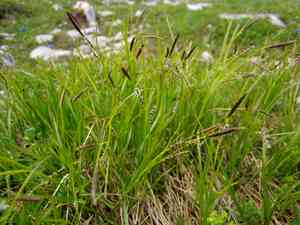
Carex scopulorum is a hardy, cluster-forming perennial featuring blade-like leaves. Trim in early spring or during winter. Eliminate withered or compromised leaves and trim back the prior season's development to foster thick, thriving clusters. Trimming aids in preventing excessive density and improves the plant's general look. Utilize sharp, sanitized implements to lessen the chance of illness. Appropriate timing optimizes development and vitality, supporting a sturdy and appealing plant throughout its active period.
What Are the Benefits of Pruning Alpine Tufted Sedge?
What Are the Benefits of Pruning Alpine Tufted Sedge?
Trimming alpine tufted sedge promotes robust development and maintains a neat, well-defined form. It's crucial for managing plant size, fostering vitality, and boosting resistance to pests and diseases, ensuring alpine tufted sedge flourishes in diverse environments.
What Is the Best Time for Pruning Alpine Tufted Sedge?
What Is the Best Time for Pruning Alpine Tufted Sedge?
Early spring and winter are considered ideal for trimming alpine tufted sedge due to its growth pattern. Pruning in early spring allows for quick recovery as it enters its active growth phase, encouraging healthy new shoots. In winter, the plant is typically dormant, minimizing disease risk and stress, and simplifying shaping and cleanup without impacting its active growth periods.
What Tools Do I Need to Prune Alpine Tufted Sedge?
Hand pruners
Perfect for precise cuts on small, tough stems characteristic of alpine tufted sedge. Easy to use and control, preventing damage to nearby growth.
Sharp scissors
Useful for trimming foliage and maintaining the tidy appearance of alpine tufted sedge. Excellent for removing dead or damaged leaves.
Bypass pruners
Effective for making clean cuts to avoid crushing stems of alpine tufted sedge. Helpful during peak growing season to maintain the plant's shape.
Sterilizing wipes or solution
Essential for cleaning tools before and after trimming alpine tufted sedge to prevent disease spread. Ensures a healthy growing environment.
How to Prune Alpine Tufted Sedge
Inspect
Carefully examine all parts of alpine tufted sedge to identify any diseased and withered leaves.
Sanitize
Clean and sterilize your pruning tools to prevent the spread of pathogens and ensure healthy cuts.
Trim diseased
Precisely cut away any diseased leaves at the base, making sure to remove all affected parts to prevent further spread.
Trim withers
Remove withered leaves by cutting them back to the plant's base, which encourages healthy new growth and maintains an aesthetic appearance.
Dispose
Properly dispose of all pruned materials, especially the diseased and withered leaves, to prevent contamination in the garden.
Common Pruning Mistakes with Alpine Tufted Sedge
Over-pruning
Excessively cutting back alpine tufted sedge can stress the plant and inhibit its ability to regrow, leading to sparse and unhealthy foliage.
Incorrect technique
Using dull or unclean pruning tools can damage the plant tissue, making it susceptible to diseases.
Pruning at wrong time
Although exact timing isn't covered here, pruning during unsuitable conditions (e.g., too wet or too dry) can lead to poor recovery and growth.
Common Pruning Tips for Alpine Tufted Sedge
Clean tools
Always ensure your pruning tools are sharp and sterilized to prevent the spread of disease and to make clean cuts.
Light pruning
For alpine tufted sedge, light pruning or trimming of dead or damaged foliage is sufficient. Avoid heavy pruning as this plant requires minimal intervention to remain healthy.
Cut at angles
Make cuts at slight angles to allow water to run off, reducing the risk of rot and infection at the cut sites.
Observe and adapt
Regularly check the health of alpine tufted sedge and adapt your pruning techniques based on the plant's response to previous prunings.



