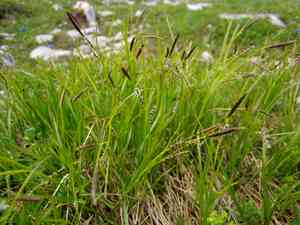
Alpine tufted sedge (Carex sempervirens)
Also known as: Evergreen Sedge, Alpine Sedge
The alpine tufted sedge is a hardy evergreen perennial known for its sturdy growth and dense, dark green tufted foliage. Its rigid, slender leaves form an attractive, arching ground cover, making it well-suited for rocky alpine and subalpine terrains. This resilient sedge thrives in well-drained soils and cold climates, easily enduring the challenging conditions of mountainous regions.
In This Article
Attributes of Alpine tufted sedge
Lifespan
Perennial
Plant Type
Grass
Plant Height
10-30 cm
Spread
30-40 cm
Leaf Color
Dark Green
Flower Size
0.5-1 cm
Flower Color
Brownish
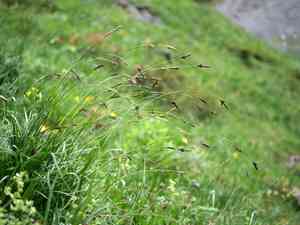
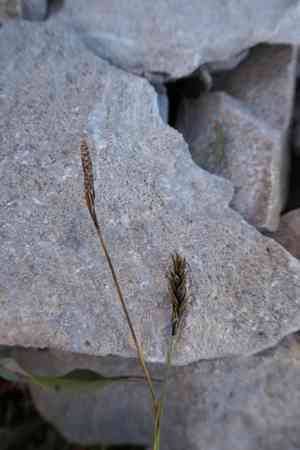
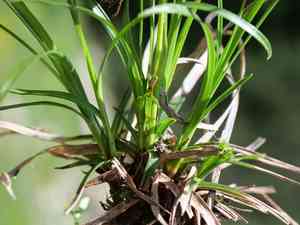
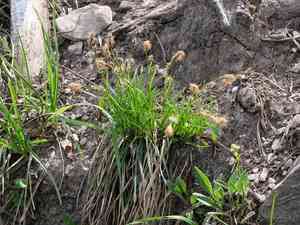
Images of Alpine tufted sedge
Quickly Identify Alpine tufted sedge
1
Carex sempervirens can be identified by its tufted growth pattern, linear leaves that remain green throughout the year, and its cylindrical flower spikes. The leaves are often stiff and have a dark green color.
Scientific Classification of Alpine tufted sedge
Phylum
Vascular plants
Class
Monocotyledons
Order
Poales
Family
Sedge
Genus
True sedges
Species
Alpine tufted sedge
Planting and Growing of Alpine tufted sedge
Care Difficulty
Easy
Watering Schedule
Every 2 days
Sunlight Requirements
Partial sun
Sunshine Duration
4-8 hours
Ideal Temperature
50-60℉
Soil Type
Potting Mix, Peat Mix
Soil pH
6.5-7.5
Fertilizer Type
Balanced
Pruning Season
Spring, Summer
Pruning Area
Branches, Leaves
Pruning Frequency
2 times a year
Repotting Season
Spring
Pot Type
Plastic, Ceramic
 How to Water Alpine tufted sedge?
For Carex sempervirens, it's important to soak the soil thoroughly until moisture is seen draining from the bottom of the pot. Aim for about 250 ml each watering session, ensuring the soil is just moist but not waterlogged.
What are the symptoms of an underwatered Alpine tufted sedge?
›
What should I do if my Alpine tufted sedge is not getting enough water?
›
What are the symptoms of an overwatered Alpine tufted sedge?
›
How to save an overwatered Alpine tufted sedge?
›
 What Are the Sunlight Requirements for Alpine tufted sedge?
Partial sun is the ideal light condition for Carex sempervirens. This ensures balanced growth, maintaining lush and healthy foliage while minimizing the risk of light-induced stress.
What is the best lighting condition for Carex sempervirens?
›
How to ensure appropriate sunlight exposure?
›
What are the benefits of ideal lighting for Carex sempervirens?
›
 What Is the Ideal Temperature Range for Alpine tufted sedge?
The ideal temperature range for growing Carex sempervirens is between 50°F and 60°F. This range provides the optimal conditions for photosynthesis and prevents potential stress that can affect growth. Maintaining these temperatures ensures the plant remains healthy and achieves its maximum growth potential. Temperature stability within this range reduces the risk of thermal shock that can cause stunted growth.
 What Soil is Best for Alpine tufted sedge?
Carex sempervirens thrives in well-drained soils, preventing waterlogging and root rot. This drainage ensures the plant gets necessary moisture without drowning its roots, encouraging robust growth and vitality. The plant favors nutrient-rich soils that provide essential minerals and nutrients for optimal growth. This boosts its photosynthesis and metabolism, leading to lush foliage and robust development. Consistent moisture levels are critical for Carex sempervirens, ensuring it remains healthy without suffering from drought stress. This balance fosters continuous and healthy development.
 How to Fertilize Alpine tufted sedge?
For Carex sempervirens, the ideal fertilizer amount should be balanced and measured. Choose a balanced liquid fertilizer with an NPK ratio of 10-10-10, applying 0.5 to 1 fluid ounce of diluted solution per gallon of water per application. Ensure even coverage to avoid harming the plant.
 How to Prune Alpine tufted sedge?
Before pruning, it's important to recognize that Carex sempervirens is an ornamental grass species. Its evergreen nature requires careful trimming to enhance its lush green appearance and remove any browning tips. Start by using sharp pruning shears to trim back any dead or damaged leaves. Focus on cutting above the healthy growth to avoid impacting new shoots. Ensure to trim around the plant's base for a neat outline.
More About Pruning Techniques→
 How to Propagate Alpine tufted sedge plant?
1
Gather mature seeds from the plant. Ensure that the seeds are dry and free of disease. Collecting seeds on a dry day is recommended to prevent mold.
2
Create a well-draining mix using equal parts peat and sand. This mix will support root development and prevent waterlogging, which can lead to seedling rot.
3
Carefully uproot the plant and split it into smaller sections. Ensure each section has roots attached. Replant divisions promptly to prevent them from drying out.
 How to Repot Alpine tufted sedge plant?
1
Carex sempervirens shows signs for repotting when its growth rate slows significantly, roots start emerging from the drainage holes, or the current soil becomes compacted and waterlogged. These signals typically appear every 2-3 years, indicating that it's time to give your plant a new, larger home to thrive in.
2
Choosing the right pot is crucial for Carex sempervirens. Opt for a pot that's one or two sizes larger than the current one with adequate drainage holes. This ensures that excess water can escape, preventing root rot and creating an environment capable of supporting the plant's growth over the coming years.
3
Select a well-draining potting mix for repotting Carex sempervirens. A blend containing peat, perlite, and sand should work well, as it facilitates aeration while retaining the necessary moisture needed for healthy root development. This soil type will help prevent waterlogging and promote robust root health.



