How to Transplant Eastern rough sedge?
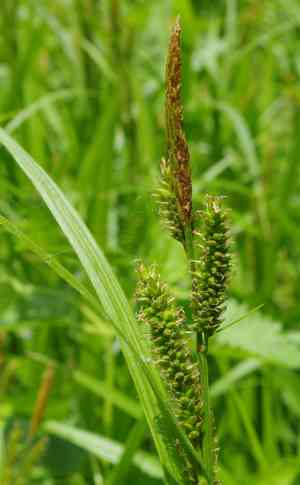
For Carex albicans, the duration spanning from the invigorating freshness of early spring up to the more temperate period of late spring is ideal for relocation, owing to superb conditions for root integration. Select a location featuring damp, adequately draining earth and dappled sunlight. Handle the root system with care.
What Preparations are Needed Before Transplanting Eastern Rough Sedge?
What is the Ideal Time for Transplanting Eastern Rough Sedge?
The best time to move eastern rough sedge is during the early spring, from its beginning until just before summer. This period offers mild temperatures and increasing daylight, which promotes strong root growth and minimizes transplant stress. Remember: A well-prepared site and careful handling during the move are key. Watch as eastern rough sedge settles in smoothly, ready for robust development throughout the season.
How Much Space Should You Leave Between Eastern Rough Sedge Plants?
Hello, gardener! Let's ensure your eastern rough sedges have ample room to thrive. Aim for a spacing of approximately 6-8 inches (15-20 cm) between them. This provides sufficient area for growth without competition for nutrients and sunlight.
What is the Best Soil Mix for Eastern Rough Sedge Transplanting?
For your eastern rough sedges to flourish, prepare the soil with care and attention. They prefer moist, well-draining soil. Consider incorporating a mix rich in organic matter and adding a gentle, slow-release fertilizer to give them a strong start.
Where Should You Relocate Your Eastern Rough Sedge?
Your eastern rough sedges appreciate both sun and a bit of shade! Select a location that receives a good balance of both, often referred to as 'partial sunlight' â a spot where they can enjoy the sun's warmth and also benefit from cooler periods.
What Equipments Should You Prepare Before Transplantation Eastern Rough Sedge?
Gardening Gloves
To safeguard your hands while handling soil and plants.
Spade or Shovel
For excavating eastern rough sedge from its current spot and preparing the new planting site.
Watering Can or Hose
To hydrate eastern rough sedge before and after the relocation process.
Wheelbarrow or Tarp
To move eastern rough sedge and its soil without causing plant damage.
Pruning Shears
To trim any damaged roots or leaves prior to transplanting.
How Do You Remove Eastern Rough Sedge from the Soil?
How Do You Remove Eastern Rough Sedge from the Soil?
From Ground: First, moisten the eastern rough sedge to dampen the soil. Next, dig a wide circle around the plant with a spade, ensuring the entire root ball remains intact. Use the spade to gently pry the eastern rough sedge from its original position.From Pot: Water the eastern rough sedge, then turn the container sideways and gently tap the bottom to encourage the root ball to slide out. If it's stuck, roll the pot or lightly press its sides to loosen the root ball.From Seedling Tray: Water the soil until it's moist. Use a transplanting tool or your fingers to carefully lift the eastern rough sedge from the tray, minimizing root disturbance.
Step-by-Step Guide for Transplanting Eastern Rough Sedge
Preparation
Gather all necessary tools and ensure the new planting area is ready for eastern rough sedge.
Digging New Hole
Excavate a hole in the ground that is twice the width of eastern rough sedge's root ball and of equal depth to avoid planting too deeply.
Plant Removal
Use a spade or your hands to carefully extract eastern rough sedge from its original ground, pot, or tray, taking care to preserve the root ball.
Plant Placement
Position eastern rough sedge into the new hole. The top of the root ball should be level with the surrounding soil surface.
Fill In Soil
Carefully backfill the hole with soil. Firm the soil around eastern rough sedge with your hands to remove air pockets.
Watering
Thoroughly water eastern rough sedge after transplanting to settle the soil and hydrate the roots.
Mulching
Apply a layer of mulch around eastern rough sedge to retain moisture and regulate soil temperature.
How Do You Care For Eastern Rough Sedge After Transplanting?
Observation
Regularly inspect eastern rough sedge for signs of stress or pests. New growth indicates successful transplanting.
Regular Watering
Keep the soil around eastern rough sedge moist as roots establish, but avoid overwatering to prevent root rot.
Mulch Maintenance
Maintain the mulch layer to protect eastern rough sedge and ensure consistent moisture levels.
Avoid Fertilizers
Refrain from fertilizing eastern rough sedge immediately after transplanting to prevent root burn and prioritize water and mulch.
Troubleshooting Common Issues with Eastern Rough Sedge Transplantation.
What's the best timing to transplant eastern rough sedge for optimal results?
The ideal period to move eastern rough sedge is from early to late spring, when new growth is just beginning.
How far apart should I space eastern rough sedge when transplanting?
It's best to place eastern rough sedge approximately 6-8 inches (15-20 cm) apart, allowing room for expansion.
Why is my eastern rough sedge wilting after transplant?
Wilting can be due to transplant shock. Ensure adequate hydration and avoid direct sun for a few days.
What soil conditions favor eastern rough sedge after transplanting?
Well-draining soil rich in organic matter is optimal. Maintain moisture without waterlogging the roots.
How deep should I plant eastern rough sedge during transplanting?
The root ball should be level with the soil surface to promote healthy growth and prevent rot.
Can I transplant eastern rough sedge during the summer?
It's not recommended. Transplanting in cooler spring weather reduces stress and aids root establishment.
How do I prepare the new site for eastern rough sedge transplant?
Loosen the soil and incorporate compost. Ensure the location has partial shade and good drainage.
Why are the leaves of eastern rough sedge yellowing post-transplant?
Yellowing might indicate over-watering or nutrient deficiency. Adjust watering and consider a soil test.
How much should I water eastern rough sedge after transplanting?
Keep the soil consistently moist, but not saturated, throughout the first growing season after transplant.
Is it necessary to fertilize eastern rough sedge after transplanting?
It's not immediately essential, but a balanced, slow-release fertilizer can encourage growth once they've settled.



