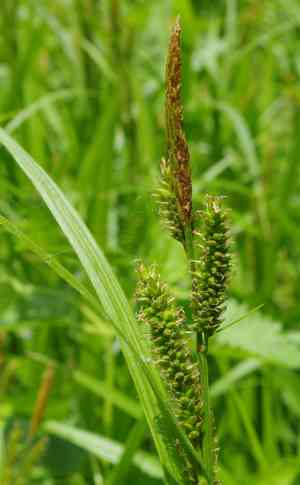
Eastern rough sedge (Carex scabrata)
Also known as: Rough Drooping Sedge, Drooping Wood Sedge
Eastern rough sedge, or Carex scabrata, is a grass-like plant found in wetlands. Known for its rough-edged leaves, it thrives along riverbanks, lake shores, swamps, and in moist forests throughout eastern North America and Texas.
In This Article
Attributes of Eastern rough sedge
Lifespan
Perennial
Plant Type
Grass
Plant Height
23 cm to 30 cm
Spread
1 to 2 feet
Leaf Color
Green
Flower Size
Small, less than 0.2 inches
Flower Color
Yellow Brown
Images of Eastern rough sedge
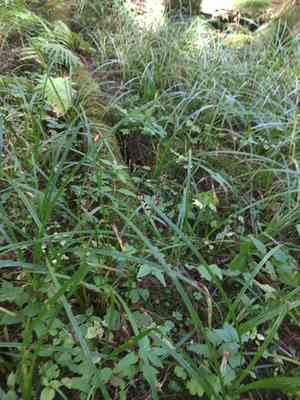
Quickly Identify Eastern rough sedge
1
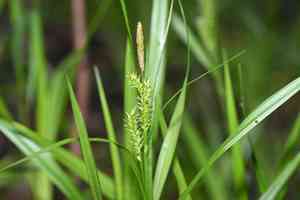
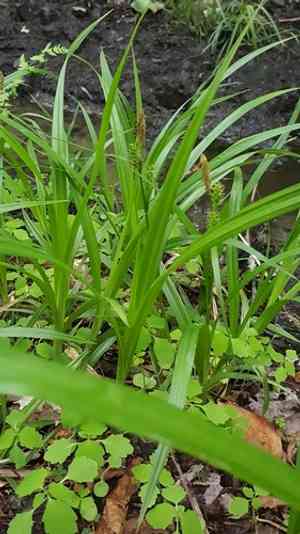
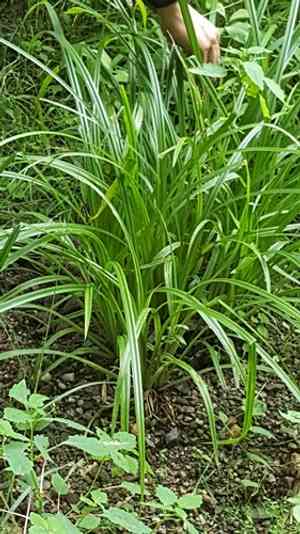
To identify Carex scabrata, look for its characteristic drooping seed heads and rough-textured leaves. The leaves are often rough to the touch, especially on the underside, and the plant can reach heights of 1 to 3 feet.
Scientific Classification of Eastern rough sedge
Phylum
Vascular plants
Class
Monocotyledons
Order
Poales
Family
Sedge
Genus
True sedges
Species
Eastern rough sedge
Planting and Growing of Eastern rough sedge
Care Difficulty
Easy
Watering Schedule
Every 3 days
Sunlight Requirements
Partial sun
Sunshine Duration
6-10 hours
Ideal Temperature
54-68℉
Soil Type
Potting Mix, Peat Mix
Soil pH
6-7.5
Fertilizer Type
Balanced
Pruning Season
Spring, Summer
Pruning Area
Branches, Leaves
Pruning Frequency
2 times a year
Repotting Season
Spring
Pot Type
Plastic, Ceramic
 How to Water Eastern rough sedge?
Carex scabrata, commonly known as rough sedge, prefers consistently moist soil. When watering, aim to thoroughly saturate the soil, ensuring it feels damp but not waterlogged. Typically, 500 milliliters per session should suffice, and you should ensure the water sees through to the root level for optimal growth.
What are the symptoms of an underwatered Eastern rough sedge?
›
What should I do if my Eastern rough sedge is not getting enough water?
›
What are the symptoms of an overwatered Eastern rough sedge?
›
How to save an overwatered Eastern rough sedge?
›
 What Are the Sunlight Requirements for Eastern rough sedge?
Partial shade is ideal, providing enough light for healthy growth without risking damage from intense sun. Carex scabrata benefits from these conditions by developing stronger foliage and maintaining vibrant color and texture.
More About Sunlight Requirements Techniques→
What is the optimal sunlight exposure for Carex scabrata?
›
How can I ensure Carex scabrata receives its required lighting in an indoor setting?
›
What benefits does Carex scabrata gain from proper lighting?
›
 What Is the Ideal Temperature Range for Eastern rough sedge?
Carex scabrata thrives best in temperatures ranging from 54°F to 68°F. This range allows the plant to maintain optimal metabolic and physiological processes that support robust growth and development. Maintaining temperatures within this range is crucial in providing an environment that mimics its natural habitat, ensuring the plant's health and vitality.
 What Soil is Best for Eastern rough sedge?
Carex scabrata thrives in soils that retain moisture well, ensuring the roots have constant access to water. This capability supports the plant's overall health and growth by preventing dehydration, which is especially important during dry seasons. The plant flourishes in nutrient-dense soils, which provide essential minerals for robust growth. A rich nutrient profile in the soil encourages lush foliage and healthy root development, crucial for sustaining the plant's life cycle. While Carex scabrata likes moisture, it requires soils with moderate drainage to avoid waterlogging. This balance prevents root rot, ensuring the plant's long-term vigor and preventing stress that could lead to disease.
 How to Fertilize Eastern rough sedge?
For Carex scabrata, use a balanced 10-10-10 liquid fertilizer. Apply approximately half a teaspoon diluted in a gallon of water. For slow-release granules, sprinkle a tablespoon around the base of the plant. Ensure even coverage to prevent nutrient imbalances.
 How to Prune Eastern rough sedge?
Begin by locating the outer edges of the Carex scabrata and work inwards. Trim back any yellowing or dead leaves, cutting close to the base. Focus on maintaining the natural arching shape of the grass, and avoid cutting into the dense crown. Use your fingers to gently rake through and remove any old growth that easily detaches. For the best results, schedule pruning sessions for early spring before new growth begins and lightly throughout other seasons for maintenance.
More About Pruning Techniques→
 How to Propagate Eastern rough sedge plant?
1
Collect seeds from mature Carex scabrata plants in late summer or autumn. Once collected, clean and dry the seeds properly before storage. Store them in a cool, dry place to maintain viability until planting.
2
Sow the seeds in seed trays filled with quality seed-starting mix. Ensure each seed is covered lightly with soil. Water gently using a spray bottle to moisten the soil without displacing seeds.
3
In early spring, uproot an established Carex scabrata plant and carefully tease apart the root clumps. Divide them into smaller, healthy sections with roots and shoots intact. Replant these in the desired location with adequate spacing.
 How to Repot Eastern rough sedge plant?
1
Carex scabrata shows signs it needs repotting when its roots begin to protrude from drainage holes or when growth visibly slows despite optimal conditions. These are strong indicators that the roots have overgrown their current container, and repotting is needed to provide additional space and nutrients.
2
Select a pot that's one size larger, ensuring it has ample drainage holes. Good drainage prevents waterlogging and root rot, essential for the health of Carex scabrata. The material can be terracotta for better moisture regulation or plastic for lightweight convenience and retain moisture longer.
3
Opt for a well-drained loamy mix that retains some moisture but does not stay waterlogged. This soil type provides the perfect balance for Carex scabrata, ensuring its roots have access to both air and moisture, promoting healthy growth and preventing fungal infections.



