How to Prune Eastern rough sedge?
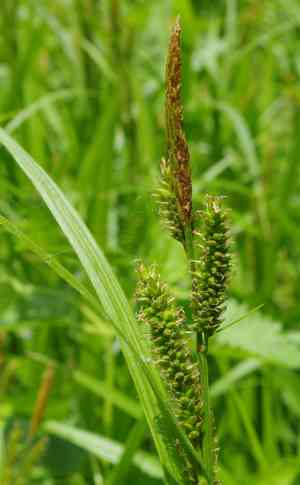
This enduring sedge, recognized for its clump-forming nature and coarse foliage, flourishes in damp environments. The most effective trimming for eastern rough sedge entails cutting back withered leaves and dead flower stems to preserve the plant's vitality and aesthetic. Such trimming should occur in early spring or during winter while the plant is inactive. This targeted elimination of aged growth stimulates fresh sprouts, boosting robustness and ensuring a neat shape. Meticulous trimming also curtails self-seeding and improves air movement, lowering the chances of illness.
What Are the Benefits of Pruning Eastern Rough Sedge?
What Are the Benefits of Pruning Eastern Rough Sedge?
Trimming eastern rough sedge promotes robust development and helps maintain its desired form. Strategic cuts can rejuvenate the plant, encouraging a healthier, denser, and more attractive shape.
What Is the Best Time for Pruning Eastern Rough Sedge?
What Is the Best Time for Pruning Eastern Rough Sedge?
Pruning or trimming eastern rough sedge in early spring is optimal as it coincides with the start of the plant's active growth period. This timing allows gardeners to remove any winter-damaged or dead foliage, thereby fostering healthier and more vigorous growth as temperatures rise. Furthermore, early spring pruning minimizes stress to eastern rough sedge, ensuring it has the full growing season to recover and flourish. Winter, specifically late winter, is also a suitable time for pruning eastern rough sedge. During this period, eastern rough sedge is dormant and less susceptible to potential shock from pruning. Additionally, with reduced foliage, it's easier to identify which parts of the plant need removal. This can include thinning out old growth to encourage new shoots and maintaining the desired shape and structure of eastern rough sedge. Overall, pruning during these specific seasons helps maintain the health, appearance, and longevity of eastern rough sedge, while preventing disruption during its critical growth and development stages.
What Tools Do I Need to Prune Eastern Rough Sedge?
Hand Pruners
Perfect for trimming and shaping eastern rough sedge, as they allow for precise cuts without harming the plant. They are suitable for removing dead or yellowing leaves.
Grass Shears
Excellent for cutting back eastern rough sedge clumps uniformly at season's end, or for tidying up any overgrown areas during the growing season.
Gardening Gloves
Essential for protecting hands from eastern rough sedge's rough edges. Durable gloves can prevent scratches and provide a better grip on pruning tools.
Garden Waste Bag
Useful for collecting clippings after pruning eastern rough sedge, keeping the area clean and reducing the chance of disease spread.
How to Prune Eastern Rough Sedge
Sterilize
Before pruning eastern rough sedge, sterilize your pruning shears to prevent the spread of disease. Use a solution of one part bleach to nine parts water to wipe down the blades.
Identify
Identify diseased and withered leaves on eastern rough sedge. Look for leaves that are discolored, have irregular spots, or appear dried out and brown.
Cut
Using the sterilized shears, cut the identified diseased or withered leaves at the base where they meet healthy tissue. Make a clean and precise cut to avoid damaging the remaining healthy parts of eastern rough sedge.
Dispose
Carefully dispose of the diseased and withered leaves by placing them in a bag and throwing them away. Do not compost diseased material as it may spread pathogens.
Sanitize
After pruning eastern rough sedge, re-sanitize your pruning tools using the bleach solution to prevent disease transmission to other plants.
Common Pruning Mistakes with Eastern Rough Sedge
Over-pruning
Removing too much foliage from eastern rough sedge can leave the plant weakened and susceptible to pests or diseases.
Improper technique
Using dull or dirty pruning tools can cause damage to the eastern rough sedge's stems, leading to an increased risk of infection or poor regrowth.
Pruning at base level
Cutting eastern rough sedge too close to ground level can damage the crown, where new growth emerges, potentially killing the plant.
Ignoring plant shape
Pruning eastern rough sedge without considering its natural form can result in an unsightly appearance and may hinder its growth pattern.
Common Pruning Tips for Eastern Rough Sedge
Tool hygiene
Always use sharp, clean pruning shears or scissors to make clean cuts on eastern rough sedge, which will help prevent disease transmission.
Selective thinning
Instead of cutting back the entire plant, selectively remove older, brown foliage by hand to encourage new growth and maintain plant health.
Gradual reduction
If size reduction is necessary, do it gradually over a couple of seasons to avoid shocking eastern rough sedge.
Shape maintenance
When pruning eastern rough sedge, follow the natural shape of the clump, cutting uneven or overgrown areas to maintain an aesthetically pleasing appearance.



