The Eastern rough sedge Plant Advantage: Maximizing Home and Office Appeal and Wellness
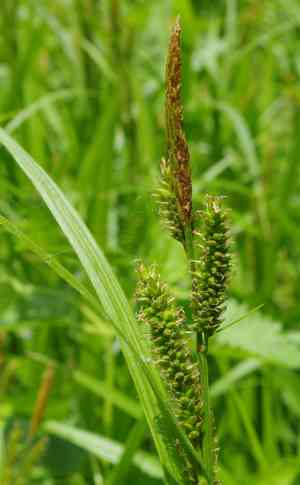
1
Carex lurida excels at preventing soil erosion in damp areas.
2
It offers sustenance and shelter to various animal species.
3
This sedge variety is an easy-care addition to garden landscapes.
What Are the Environmental Advantages of Eastern rough sedge?
Erosion Control
Eastern rough sedge excels at stabilizing ground in wetland environments, thanks to its robust root system. These roots secure the soil, preventing its displacement by water currents. This makes Eastern rough sedge vital for preserving the integrity of riverbanks and other aquatic-adjacent areas.
Water Filtration
The dense root network of Eastern rough sedge functions as a natural filter, capturing sediments and pollutants before they can enter water bodies. This not only aids in enhancing water quality but also supports a healthier aquatic ecosystem.
How Does Eastern rough sedge Benefit Wildlife?
Habitat Provision
The structure and growth patterns of Eastern rough sedge create an optimal environment for various wildlife species. Small mammals, amphibians, and birds frequently utilize these thick stands for refuge and nesting. This positions Eastern rough sedge as a key element in conserving and boosting local biodiversity.
Food Source
Eastern rough sedge produces seeds that serve as sustenance for numerous bird species. Additionally, its foliage offers nourishment for various insects and small mammals. By incorporating Eastern rough sedge into your habitat restoration projects, you're not just planting a plant; you're fostering an entire ecosystem.
What Are the Aesthetic and Practical Applications of Eastern rough sedge in Gardens?
Large Backyard Gardens
For those with expansive gardens, Eastern rough sedge can introduce a touch of untamed beauty. Its tall, slender form creates an appealing contrast with more compact plants. Its natural appearance blends seamlessly with other native flora, making it a favored choice for gardeners who prefer a more organic, less manicured aesthetic.
Low-Maintenance Landscaping
One of the prominent attributes of Eastern rough sedge is its minimal maintenance requirements. Once established, it demands little care, primarily due to its high resistance to pests and diseases. This makes it an excellent option for property owners seeking to create sustainable, low-effort landscapes.
How Can Eastern rough sedge Be Integrated Into Sustainable Landscaping?
Natural Vegetation Borders
Utilizing Eastern rough sedge to establish natural borders around ponds, streams, and garden beds is a sustainable choice. These borders are not only visually appealing but also fulfill practical roles, such as reducing soil erosion and providing habitats for beneficial insects.
Rain Gardens
Eastern rough sedge is an ideal candidate for rain gardens, which are designed to manage stormwater runoff. Its capacity to thrive in wet conditions allows it to absorb excess water efficiently, mitigating the risk of flooding and enhancing water quality.
Tips for Planting and Caring for Eastern rough sedge
Site Selection
When planting Eastern rough sedge, choosing the appropriate location is essential. It prefers moist, well-drained soils and flourishes in both partial shade and full sun. Integrating it into areas prone to water accumulation can enhance its growth and benefits.
Planting and Maintenance
For successful planting, space the plants adequately to allow for natural spread. Water them regularly until they are established, after which they require minimal irrigation. Periodic trimming will keep the plant looking neat, but otherwise, Eastern rough sedge needs little intervention.



