How to Transplant Ross's sedge?
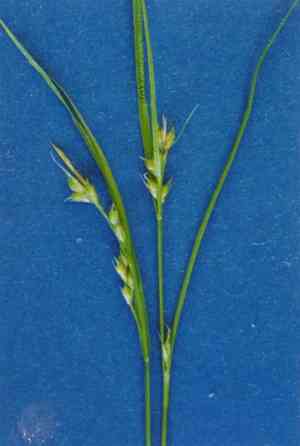
Ross's sedge flourishes when relocated from early to late spring or from late autumn to early winter, since these intervals provide ideal soil hydration and temperate conditions. Confirm its placement in areas with good drainage, receiving full sun to partial shade, for superior outcomes.
What Preparations are Needed Before Transplanting Ross's Sedge?
What is the Ideal Time for Transplanting Ross's Sedge?
The optimal period for relocating ross's sedge spans from early to late spring or from late autumn to early winter. These intervals are perfect as the plant is either exiting or entering dormancy, thereby minimizing stress. Moving the plant during these cooler, moister times aids in developing robust roots and boosts its overall resilience and development.
How Much Space Should You Leave Between Ross's Sedge Plants?
When moving ross's sedge, ensure each plant is positioned approximately 9-12 inches (23-30 cm) apart. This spacing promotes adequate air circulation and provides ample room for each plant to grow and thrive.
What is the Best Soil Mix for Ross's Sedge Transplanting?
For ross's sedge, select well-draining soil types like sandy or loamy. Prior to transplanting, incorporate a balanced, slow-release fertilizer to supply essential nutrients. This preparation will foster healthy root growth and vigorous development.
Where Should You Relocate Your Ross's Sedge?
Select a sunny location for transplanting ross's sedge, as it flourishes best in full sun to partial shade. Ensuring sufficient sunlight aids in promoting strong growth and maintains the plant's health.
What Equipments Should You Prepare Before Transplantation Ross's Sedge?
Gardening Gloves
To safeguard your hands while handling soil and the plant.
Shovel or Spade
For excavating both the original plant and the new planting site.
Trowel
Useful for more precise digging and smoothing the earth.
Watering Can or Hose
To hydrate the plant before and after its relocation.
Gardening Fork
To gently loosen the soil surrounding the plant to be extracted.
Pruners
To trim any damaged or excessively long root structures.
How Do You Remove Ross's Sedge from the Soil?
How Do You Remove Ross's Sedge from the Soil?
From Ground: First, moisten the soil around the ross's sedge plant. Then, dig a wide trench around the plant using a shovel or spade, ensuring the root ball remains intact. Carefully work the spade beneath the root ball to lift the plant from its original spot.From Pot: Water the ross's sedge plant thoroughly the day before to facilitate removal. Gently tip the pot and carefully slide the plant out, supporting the root ball with your hand to keep it whole.From Seedling Tray: Before extraction, water the seedlings to dampen the soil. Use a trowel or your fingers to gently lift the ross's sedge seedling, making sure to hold it by the leaves and not the delicate stem. Aim to retain as much soil with the roots as possible.
Step-by-Step Guide for Transplanting Ross's Sedge
Soil Preparation
Ensure the soil in your chosen area is properly prepared. Loosen the soil to a depth of at least 12 inches and clear away any weeds or debris.
Hole Digging
Excavate a hole in the new spot that is twice as wide and equally deep as the root ball of the ross's sedge.
Plant Placement
Position the ross's sedge in the hole, ensuring it is at the same depth it was previously growing. The top of the root ball should be level with or slightly below the surrounding soil.
Backfilling
Refill the hole with soil, gently pressing down to remove air pockets. Avoid over-compacting the soil as this can impede root development.
Watering
Thoroughly water the plant immediately after transplanting to settle the soil and aid in establishing strong roots.
How Do You Care For Ross's Sedge After Transplanting?
Watering
Keep the soil around the ross's sedge consistently moist, but not waterlogged, for the initial few weeks post-transplant to help establish robust roots.
Mulching
Apply a layer of mulch around the base of the ross's sedge to help retain moisture and suppress weed growth.
Monitoring
Regularly inspect the ross's sedge for signs of stress such as wilting or discoloration, and adjust watering or light exposure as necessary.
Troubleshooting Common Issues with Ross's Sedge Transplantation.
When is the ideal time to transplant ross's sedge?
Early spring to late spring, or late fall to early winter are best for transplanting ross's sedge.
How should I space ross's sedge during transplanting?
Space ross's sedge 9-12 inches (23-30 cm) apart for optimal growth and health.
What should be the ideal soil condition for transplanting ross's sedge?
Ensure the soil is well-draining and slightly acidic to neutral prior to transplanting ross's sedge.
How much water does ross's sedge need post-transplant?
Ross's sedge needs consistent moisture without being waterlogged; water regularly until established.
What type of container should I use for transplanting ross's sedge?
Use a container that is at least 10-12 inches (25-30 cm) deep for transplanting ross's sedge.
How do I handle root preparation for ross's sedge?
Gently loosen the roots before transplanting ross's sedge to stimulate better root expansion.
Whatâs the recommended sunlight exposure for transplanted ross's sedge?
Ross's sedge thrives best in full sun to partial shade conditions after transplanting.
Should I fertilize ross's sedge immediately after transplanting?
Wait at least 2-3 weeks post-transplant before fertilizing ross's sedge to avoid root burn.
How to protect ross's sedge from transplant shock?
Water thoroughly immediately after transplanting and provide shade if necessary to reduce shock.
What to do if ross's sedge shows signs of wilting post-transplant?
Ensure good watering practices, check soil moisture, and provide protection from extreme conditions.



