How to Propagate Ross's sedge?
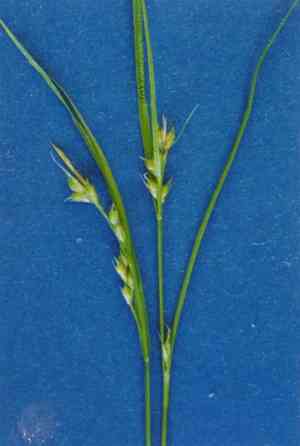
Ross's sedge flourishes in damp, adequately drained substrates and benefits from multiplication through separation. This method proves most successful when clusters are gently divided during their initial developmental phases to guarantee a robust root structure. Delicately split the root ball into smaller portions, ensuring each possesses sufficient roots and nascent stems, then promptly re-embed them to foster rapid integration. Reduce the roots' contact with air to avert dehydration.
Optimal Time for Ross's Sedge Propagation
Propagation Method
Division
Propagation Period
Spring,Autumn
Tools Required for Ross's Sedge Propagation
Garden Spade or Fork
These implements are crucial for the careful separation of ross's sedge's rhizomes or root masses. A sharp, robust garden spade or fork assists in gently lifting the plant from the ground while minimizing harm to the root system. Employing a sturdy tool helps in cleanly severing the roots without tearing, ensuring each segment possesses a healthy root portion to support successful re-establishment.
Pruning Shears
Pruning shears are utilized to trim any excess or dead foliage from ross's sedge both before and after division. This lessens the stress on the newly divided plants by reducing the amount of greenery the roots must sustain. Clean, sharp pruning shears are vital for making precise cuts, which aid in preventing disease and encouraging quicker recovery.
Rooting Hormone (optional)
While not compulsory, applying a rooting hormone can improve the rooting success of ross's sedge if the divisions appear weak or small. Rooting hormone can stimulate quicker root development and boost survival rates in new settings by promoting the growth of root tissues.
Watering Can with a Fine Rose
Following replanting of the divisions, it is essential to ensure they are adequately watered to aid their establishment in their new location. A watering can equipped with a fine rose attachment delivers a gentle water flow that uniformly moistens the soil without disturbing the newly planted ross's sedge divisions. This gentle irrigation helps settle the soil around the roots, reducing air pockets and providing the necessary hydration for the plants to flourish.
Label and Marker
Labeling each ross's sedge division with the planting date and any other relevant information is beneficial for monitoring the growth and health of the plants after propagation. Always use waterproof labels and markers to endure various weather conditions.
How to Propagate Ross's Sedge?
Propagation Difficulty
Easy
Caring for Your Newly Propagated Ross's Sedge
Caring for Your Newly Propagated Ross's Sedge?
Post-propagation, maintain consistent soil moisture, avoiding saturation. Ross's sedge thrives in partial shade with ample moisture. Prevent overwatering to avert root rot. During the initial growing season, monitor development and adjust care as needed for healthy growth. Mulching can help retain soil moisture and suppress weeds.
Common Errors to Avoid When Propagating Ross's Sedge
Overwatering
Excessive watering of ross's sedge can lead to root rot and fungal infections. This is because ross's sedge is adapted to well-drained conditions and does not thrive in overly moist soil.
Using inappropriate soil mix
Employing a heavy, clay-based or nutrient-rich soil can hinder the root growth of ross's sedge. This species prefers light and well-draining soil, allowing roots to spread easily without being waterlogged.
Crowded planting
Planting ross's sedge too closely can impede their growth and result in competition for resources. This crowding can also encourage the spread of diseases among the plants if airflow is restricted.
Tips For Propagating Ross's Sedge
Division in early growth phase
Propagating ross's sedge by division should occur during its early growth phase. This ensures that the divided plants can recover more quickly and establish themselves easily in their new environment.
Use of sharp tools for division
Utilizing sharp, sanitized tools for cutting through the root clump of ross's sedge helps in making clean cuts that heal faster and are less susceptible to diseases.
Light watering post-planting
After planting the divisions, water ross's sedge lightly to help settle the soil around the roots and eliminate air pockets, without causing excessive moisture around the roots.



