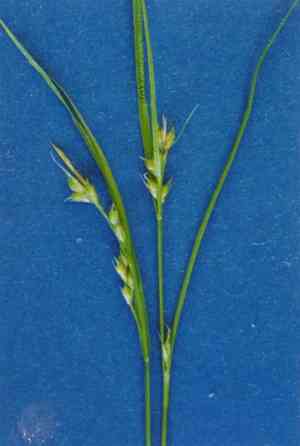
Ross's sedge (Carex rossii)
Also known as: Ross's Sedge
Fireweed is a resilient pioneer plant, often among the initial species to colonize recently disturbed areas. This native plant of northern North America's grasslands and forest understories typically grows in dense patches and spreads through its extensive rhizome network.
In This Article
Attributes of Ross's sedge
Lifespan
Perennial
Plant Type
Grass
Plant Height
5 cm to 25 cm
Spread
N/A
Leaf Color
Green
Flower Size
Small, typically less than 1 cm
Flower Color
White Green Red Brown
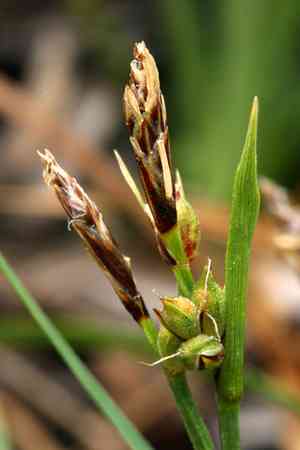
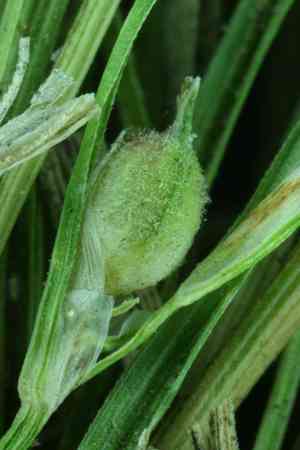
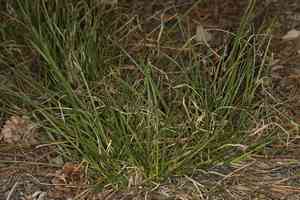
Images of Ross's sedge
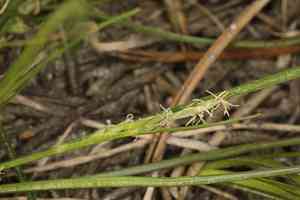
Quickly Identify Ross's sedge
1
Identification of Carex rossii can be achieved by looking for dense tufts of grass-like leaves, triangular stems, and flower spikes that are typically clustered. The plant is generally shorter than most sedges and prefers rocky or sandy soils.
Scientific Classification of Ross's sedge
Phylum
Vascular plants
Class
Monocotyledons
Order
Poales
Family
Sedge
Genus
True sedges
Species
Ross's sedge
Planting and Growing of Ross's sedge
Care Difficulty
Easy
Watering Schedule
Every 2 days
Sunlight Requirements
Partial sun
Sunshine Duration
6-12 hours
Ideal Temperature
50-65℉
Soil Type
Potting Mix, Peat Mix
Soil pH
6.5-7.5
Fertilizer Type
Balanced
Pruning Season
Spring, Summer
Pruning Area
Branches, Leaves
Pruning Frequency
2 times a year
Repotting Season
Spring
Pot Type
Plastic, Ceramic
 How to Water Ross's sedge?
Carex rossii thrives when watered moderately to occasionally, following the rule of ensuring the soil is moist but never soggy. About 200 milliliters per watering session is ideal, which allows the plant to absorb water without sitting in it.
What are the symptoms of an underwatered Ross's sedge?
›
What should I do if my Ross's sedge is not getting enough water?
›
What are the symptoms of an overwatered Ross's sedge?
›
How to save an overwatered Ross's sedge?
›
 What Are the Sunlight Requirements for Ross's sedge?
Partial sun conditions are ideal, providing dappled light which supports healthy growth and prevents stress from extremes. This range encourages dense foliage and optimum physiological function.
What is the ideal location for Carex rossii?
›
How can I ensure optimal lighting for Carex rossii indoors?
›
What are the benefits of achieving the ideal lighting for Carex rossii?
›
 What Is the Ideal Temperature Range for Ross's sedge?
Carex rossii thrives best in a moderately cool temperature range of 50 to 65°F. This range allows the plant to perform optimal photosynthesis and metabolic activities, supporting its overall growth and development.
 What Soil is Best for Ross's sedge?
Carex rossii thrives in well-drained soils as it helps prevent root rot and provides adequate oxygenation to the roots. This characteristic is crucial for its healthy growth and long-lasting vigor. This plant prefers moderate soil fertility, ensuring it receives enough nutrients for optimal growth. Balanced soil fertility supports healthy foliage and robust growth without the risk of excessive nutrient buildup. Maintaining soil that retains moisture while allowing excess to drain ensures Carex rossii has continual access to water without becoming waterlogged. This balance helps sustain its lush greenery and prevents overwatering damage.
 How to Fertilize Ross's sedge?
Carex rossii typically benefits from a balanced fertilizer application at a rate of about 1/2 strength compared to what you might use for a more nutrient-demanding plant. Ensure the soil around the plant is damp before applying liquid fertilizer to prevent root burn. Use around 1 tablespoon per gallon of water.
 How to Prune Ross's sedge?
To maintain the natural form of Carex rossii, begin by trimming back any overgrown or untidy foliage with clean, sharp shears. Focus on the outer foliage, cutting back each stem to just above a leaf node or base to encourage new growth. Avoid cutting too close to the plant's base to prevent stress and ensure a full, lush appearance. Remove spent flower heads once they have browned to direct the plant's energy towards new growth. Gently pinch or cut the stem near the base of the old flower to avoid scarring and to keep the plant looking tidy and well-cared-for.
More About Pruning Techniques→
 How to Propagate Ross's sedge plant?
1
Collect seeds from mature Carex rossii plants in late summer. Ensure seeds are fully ripe and dry them thoroughly before storing them in a cool, dry place until spring planting.
2
Prepare a mix of sandy and loamy soil in a planting tray or pot. Ensure it has good drainage. Moisten the soil without making it soggy to encourage root establishment.
3
Sow the seeds on the surface of the moist soil or plant divided clumps. Cover lightly with soil. Water gently and place in a location with indirect sunlight for optimal growth.
 How to Repot Ross's sedge plant?
1
Carex rossii should be repotted when you notice that its roots are circling the inside of the pot, which indicates it's root-bound. Other signs include reduced growth and frequent watering needs. The best time for repotting is early spring when the plant begins to awaken from dormancy, allowing it a full growing season to establish in its new home.
2
Choose a pot that is one size larger than the current one, with adequate drainage holes at the bottom. This ensures enough space for root expansion and prevents root rot from water accumulation. Using a slightly larger pot also avoids shocking the plant with too much new soil that retains excess moisture.
3
Opt for loamy, well-draining soil to provide ample aeration and support healthy root growth for Carex rossii. This type of soil not only holds the right amount of moisture but also ensures excess water escapes easily, reducing the risk of root rot while maintaining needed nutrients.



