How to Prune Ross's sedge?
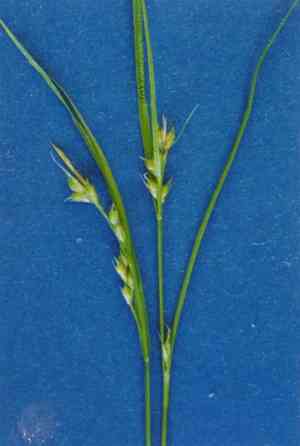
Ross's sedge, a robust, clump-forming perennial, flourishes across diverse habitats. Trimming is recommended in early spring or winter to foster vigorous development and preserve its shape. When pruning, eliminate deceased or aged leaves to stimulate fresh sprouts. This action not only improves the plant's aesthetic but also prevents excessive density and boosts air movement, thereby lowering the chances of pests and illnesses. Performing these cuts during the plant's inactive period guarantees minimal strain and excellent recuperation.
What Are the Benefits of Pruning Ross's Sedge?
What Are the Benefits of Pruning Ross's Sedge?
Trimming ross's sedge promotes robust development and helps maintain its desired form. Regular cutting eliminates old growth, fostering healthier, denser foliage and enhancing the plant's overall aesthetic appeal.
What Is the Best Time for Pruning Ross's Sedge?
What Is the Best Time for Pruning Ross's Sedge?
For ross's sedge, early spring is optimal for trimming, just before its active growth period begins. Pruning at this time allows the plant to recover quickly and direct energy into new growth, reducing stress and disease susceptibility. Additionally, removing old or dead foliage from the prior year encourages healthier, more vigorous growth. Winter is also suitable as ross's sedge is dormant, minimizing harm to active growth. Pruning during dormancy helps maintain the plant's shape and size, preparing it for strong spring growth.
What Tools Do I Need to Prune Ross's Sedge?
Hand Shears
Perfect for precise cutting and shaping of ross's sedge, enabling gardeners to trim back dead or overgrown foliage without harming the plant. Hand shears offer the control needed to maintain ross's sedge's health and beauty.
Pruning Scissors
These are excellent for snipping smaller, delicate areas of ross's sedge, especially useful for thinning out dense sections without damaging surrounding growth. Their accuracy is crucial for managing ross's sedge.
Gloves
Though not a cutting tool, wearing gloves is vital when pruning ross's sedge to shield hands from potential cuts and ensure a safe trimming experience.
How to Prune Ross's Sedge
Identify
Locate and examine ross's sedge for diseased and withered leaves. Carefully inspect the foliage to differentiate healthy leaves from those that are discolored, wilted, or show signs of illness.
Clean
Clean and sanitize your pruning tools. Use a bleach or rubbing alcohol solution to wipe down the blades. This prevents the spread of diseases between plants during the trimming process.
Cut
Remove diseased and withered leaves from ross's sedge. Use sharp, clean scissors or pruning shears, cutting at the leaf's base where it meets the stem or at the soil line for completely dry and withered leaves.
Dispose
Properly discard the removed leaves. Do not compost diseased material as it may harbor pathogens. Instead, seal it in a plastic bag and dispose of it with household waste to prevent reinfection.
Sanitization after
Sanitize the pruning tools again afterward to ensure no residual disease remains on the equipment.
Common Pruning Mistakes with Ross's Sedge
Overpruning
Removing too much foliage from ross's sedge can weaken the plant. Ross's sedge typically needs light pruning, as excessive cutting can lead to reduced vigor and sparse foliage.
Inappropriate tools
Using dull or dirty pruning shears can harm the delicate stems of ross's sedge, resulting in jagged cuts that may attract pests and disease.
Tearing
Pulling or tearing the stems instead of making a clean cut can damage ross's sedge. This practice can lead to uneven growth and potentially expose the plant to various environmental stresses.
Common Pruning Tips for Ross's Sedge
Clean cuts
Ensure all cuts on ross's sedge are made with sharp, clean shears. This promotes faster healing and reduces disease risk.
Minimal pruning
Since ross's sedge generally doesn't require extensive pruning, only remove dead or diseased foliage to maintain plant health and appearance. This preserves its natural shape and enhances growth.
Post-pruning care
After pruning ross's sedge, applying a balanced, slow-release fertilizer can help the plant recover and thrive. Ensure the soil is kept moist but not waterlogged to support healthy root development.



