How to Transplant Reflexed sedge?
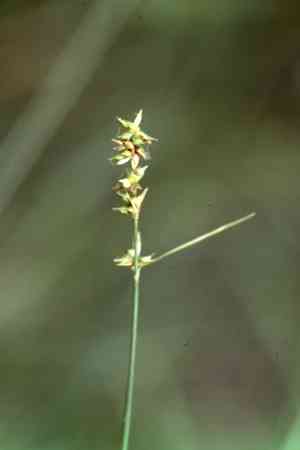
Reflexed sedge flourishes optimally when relocated during the cool, invigorating days of early spring or the brisk, mild stretch of late autumn. Select a partially shaded spot with adequately draining earth to guarantee a smooth establishment.
What Preparations are Needed Before Transplanting Reflexed Sedge?
What is the Ideal Time for Transplanting Reflexed Sedge?
The best time to move reflexed sedge is in early spring or late autumn. This timing allows the plant to establish itself in the soil with moderate temperatures and sufficient moisture, encouraging root growth. Transplanting reflexed sedge during these periods reduces shock and prepares it for robust development in the upcoming growing season.
How Much Space Should You Leave Between Reflexed Sedge Plants?
When relocating reflexed sedge, ensure approximately 12-18 inches (30-45 cm) of space between each plant. This prevents competition for resources and avoids overcrowding.
What is the Best Soil Mix for Reflexed Sedge Transplanting?
Prepare a well-draining soil mix, enhanced with compost or organic material, for reflexed sedge. Incorporate a foundational fertilizer suitable for perennial plants to provide an initial nutrient boost.
Where Should You Relocate Your Reflexed Sedge?
Select a site for reflexed sedge that receives partial to full sunlight. Aim for 4-6 hours of daily sun exposure to maintain the plant's health and vitality.
What Equipments Should You Prepare Before Transplantation Reflexed Sedge?
Gardening Gloves
To safeguard your hands while handling soil and plants.
Shovel or Spade
For excavating the plant from the ground or seedling tray and creating a new planting hole.
Trowel
For smaller, more precise digging and transplanting tasks.
Watering Can or Hose
To hydrate the plant and the new hole both before and after transplanting.
Garden Fork
To loosen soil and assist in lifting the plant's root ball.
Bucket
To transport soil or the plant if necessary.
Mulch
To help maintain soil moisture and temperature.
How Do You Remove Reflexed Sedge from the Soil?
How Do You Remove Reflexed Sedge from the Soil?
From Ground: First, moisten the reflexed sedge plant's soil. Then, dig a wide trench around the plant with a shovel or spade, ensuring the root ball remains intact. Carefully work the spade beneath the root ball to lift the plant from its original spot.From Pot: Thoroughly water the reflexed sedge plant, then gently tap the pot's sides to loosen the soil. Carefully slide the plant out, supporting the root ball with your other hand.From Seedling Tray: Water the reflexed sedge seedlings well. Use a trowel or your fingers to gently lift each seedling by its leaves or stem base, taking care not to harm the roots.
Step-by-Step Guide for Transplanting Reflexed Sedge
Site Preparation
Prepare the transplanting location by loosening the soil and digging a hole that is twice the width and the same depth as the plant's root ball.
Plant Placement
Position the reflexed sedge plant in the center of the hole, ensuring it sits at the same depth it was growing in its previous spot. Gently spread out any bunched roots.
Backfilling
Refill the hole with the excavated soil, gently pressing down to remove air pockets around the roots. Confirm the plant is stable and upright.
Watering In
Water the plant thoroughly to settle the soil around the roots and provide moisture for its adjustment period.
Mulching
Apply a thin layer of mulch around the plant's base to retain moisture and regulate soil temperature. Avoid piling mulch directly against the plant's stem.
How Do You Care For Reflexed Sedge After Transplanting?
Watering
Keep the soil around the reflexed sedge consistently moist, but not waterlogged, for the initial weeks post-transplant to aid in strong root establishment.
Monitoring
Observe for any indications of transplant shock, such as wilting or yellowing foliage, and adjust care as necessary.
Weeding
Regularly remove any competing weeds that could vie with the reflexed sedge for nutrients and water.
Fertilizing
Avoid immediate fertilization after transplanting as it can stress the plant. Wait a few weeks before applying a balanced, slow-release fertilizer if needed.
Troubleshooting Common Issues with Reflexed Sedge Transplantation.
When is the best time to transplant reflexed sedge?
Transplant reflexed sedge in early spring or late fall for optimal outcomes.
How much space should be between plants?
Position reflexed sedge plants 12-18 inches (30-45 cm) apart for ideal growth.
What should I do if the leaves start turning brown?
Water the transplanted reflexed sedge regularly; dry soil can lead to browning leaves.
How deep should I dig when transplanting reflexed sedge?
Excavate a hole twice as wide and as deep as the root ball.
How do I prepare the soil for transplanting?
Ensure the soil drains well and enrich it with compost.
What if my transplanted reflexed sedge isn't growing?
Confirm it's planted in a sunny location and receiving adequate water.
Can I transplant reflexed sedge during summer?
It's best to avoid summer; heat stress can harm the plant.
Do I need to trim reflexed sedge before transplanting?
Trimming damaged or excessively long roots can assist in plant establishment.
What do I do if the plant wilts after transplanting?
Maintain consistently moist soil and provide some shade until it recovers.
Should I use mulch after transplanting reflexed sedge?
Yes, apply mulch to retain moisture and regulate soil temperature.



