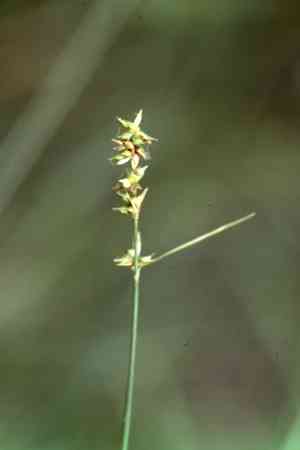
Reflexed sedge (Carex retroflexa)
Also known as: Reflexed Sedge
Reflexed sedge (Carex retroflexa) is a perennial plant distinguished by its reflexed or backward-curving perigynia, the sac-like structures that protect its seeds. It typically forms dense clumps and features narrow, grass-like leaves. This sedge thrives in various moist environments and is characterized by its light green leaves and brownish flower spikes, adding a subtle elegance to the natural groundcover.
In This Article
Attributes of Reflexed sedge
Lifespan
Perennial
Plant Type
Grass
Plant Height
30-80 cm
Spread
10-40 cm
Leaf Color
Green
Flower Size
N/A (not typically measured for sedges)
Flower Color
Brownish-green
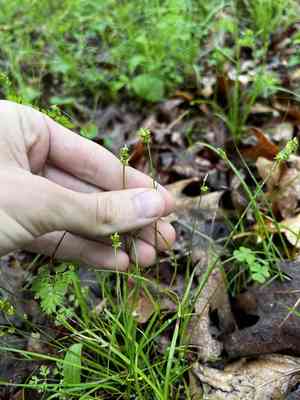
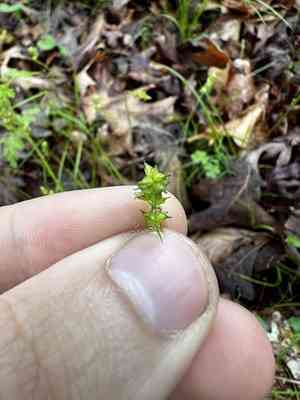
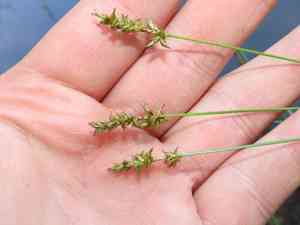
Images of Reflexed sedge
Quickly Identify Reflexed sedge
1
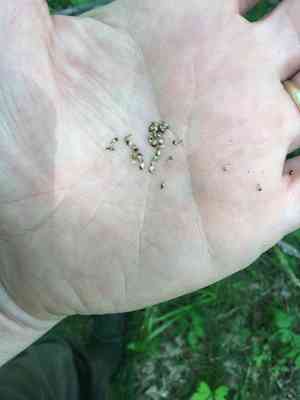
Reflexed Sedge can be identified by its distinctive reflexed (bent backwards) spikelets, and its narrow, grass-like leaves that are green in color. The plants are usually tufted with a triangular culm.
Scientific Classification of Reflexed sedge
Phylum
Vascular plants
Class
Monocotyledons
Order
Poales
Family
Sedge
Genus
True sedges
Species
Reflexed sedge
Planting and Growing of Reflexed sedge
Care Difficulty
Moderate
Watering Schedule
Every 2 days
Sunlight Requirements
Partial sun
Sunshine Duration
6-10 hours
Ideal Temperature
60-75℉
Soil Type
Potting Mix, Peat Mix
Soil pH
6.5-7.5
Fertilizer Type
Balanced
Pruning Season
Spring, Summer
Pruning Area
Branches, Leaves
Pruning Frequency
2 times a year
Repotting Season
Spring
Pot Type
Plastic, Ceramic
 How to Water Reflexed sedge?
Carex retroflexa requires about 200 milliliters of water per session. The key is to ensure the soil remains consistently moist but not waterlogged. Water until you notice a slight runoff from the pot's drainage holes, ensuring the soil is thoroughly soaked but excess water can freely escape to prevent root rot.
What are the symptoms of an underwatered Reflexed sedge?
›
What should I do if my Reflexed sedge is not getting enough water?
›
What are the symptoms of an overwatered Reflexed sedge?
›
How to save an overwatered Reflexed sedge?
›
 What Are the Sunlight Requirements for Reflexed sedge?
Carex retroflexa thrives best with partial sun to full shade. These conditions help maintain the plant's foliage health, support its innate growth patterns, and contribute to its resilience against environmental stressors.
What is the best lighting for Carex retroflexa?
›
How can I ensure Carex retroflexa gets ideal lighting?
›
What benefits does Carex retroflexa get from optimal lighting?
›
 What Is the Ideal Temperature Range for Reflexed sedge?
What is the ideal temperature range for Carex retroflexa? For optimal growth, it's best to maintain this plant in temperatures ranging from 60°F to 75°F. This range ensures adequate photosynthesis and prevents stress-related wilt or discoloration, providing the most conducive environment for its health and vitality.
 What Soil is Best for Reflexed sedge?
Carex retroflexa thrives in well-drained soil, preventing root rot and ensuring proper nutrient uptake. This condition is crucial for maintaining vigorous growth and lush foliage. While Carex retroflexa prefers well-drained soils, adequate moisture retention is key in fostering healthy plant development. Sufficient moisture supports robust photosynthesis and overall plant vitality. Having a nutrient-rich substrate is ideal for Carex retroflexa, as it boosts growth and resilience against environmental stresses. Enriched soils promote lush and dense foliage development.
 How to Fertilize Reflexed sedge?
For Carex retroflexa, a moderate fertilization approach is recommended. When using liquid fertilizer, dilute it to half the strength of the recommended dosage. For slow-release fertilizers, apply it sparingly around the base, ensuring that it does not come into direct contact with the foliage.
 How to Prune Reflexed sedge?
Start by ensuring your tools are clean to prevent disease transmission. Remove any dead or damaged leaves first, cutting them back to the base. Trim back the foliage to about a third of its height to maintain a neat appearance and promote fresh growth. Make sure not to cut too deeply into the woody or basal parts, as this can harm the plant.
More About Pruning Techniques→
 How to Propagate Reflexed sedge plant?
1
Sow the seeds of Carex retroflexa in a seed tray filled with a well-draining potting mix. Ensure seeds are lightly covered with soil, as they need light for germination. Water gently and keep them at a moderate temperature to support sprouting.
2
For division, carefully dig up an established plant and separate it into smaller sections, ensuring each has roots and shoots. This should be done in early spring when the plant is just beginning its growth cycle.
3
Once seedlings or divisions have established roots, transplant them into their permanent location. Ensure the site has similar soil conditions and light requirements to avoid transplant shock.
 How to Repot Reflexed sedge plant?
1
Carex retroflexa generally shines when its roots have space to grow. Look out for roots protruding from the drainage holes or stunted growth. These are clear signs it's time to repot. Spring is ideal as it's the period of active growth, promoting quicker recovery from the transplant shock.
2
A pot that is just a few inches larger in diameter than the current one is perfect for Carex retroflexa. This ensures that the plant won't sit in excess water, which can lead to root rot. A larger pot allows the plant's roots to expand comfortably, supporting better nourishment and stability.
3
Opt for well-draining, loamy soil, rich in organic matter. A balanced composition prevents waterlogging while ensuring adequate moisture retention. This type of soil mix encourages robust root development and supports overall plant health, particularly after the stress of being repotted.
Learn More About Reflexed sedge Diseases
Anthracnose
Bacterial Leaf Spot
Bacterial Soft Rot
Bacterial Wilt
Chemical Injury
Crown Gall
Cyst Nematode
Damping-off
Downy Mildew
Drought Stress
Fusarium Wilt
Gray Mold
Leaf Spot
Mosaic
Nutrient Deficiency
Nutrient Toxicity
Powdery Mildew
Root Rot
Root-knot Nematode
Rusts
Sooty Mold
Spider Mites
Temperature Stress
Thrips Damage
White Mold



