How to Prune Reflexed sedge?
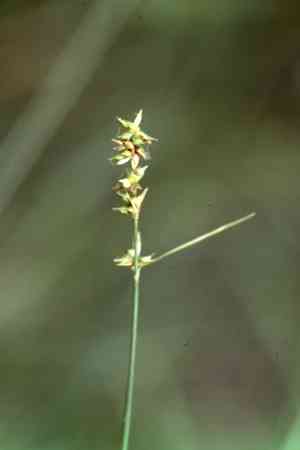
Carex reflexa exhibits gracefully curved stalks and compact clumps, flourishing in damp, adequately drained earth. To ensure peak vitality, perform trimming in late winter or early spring. Removing withered or compromised leaves and thinning out crowded groupings improves airflow and diminishes the likelihood of ailments. Consistent maintenance boosts its aesthetic appeal and stimulates strong development. Always employ sanitized, sharp implements to prevent plant strain and possible contagions. Consult botanical resources for advice tailored to specific varieties. Pruning encourages energetic development and extended life.
What Are the Benefits of Pruning Reflexed Sedge?
What Are the Benefits of Pruning Reflexed Sedge?
Trimming reflexed sedge promotes robust development and helps maintain its form. It fosters healthy foliage and lessens disease risk by enhancing air circulation. Regular cutting also manages the plant's size, keeping it tidy and controllable in garden settings.
What Is the Best Time for Pruning Reflexed Sedge?
What Is the Best Time for Pruning Reflexed Sedge?
Early spring and winter are ideal periods for trimming reflexed sedge due to several reasons. In early spring, pruning can eliminate any dead or damaged leaves from winter, encouraging vigorous new growth as the season begins. This timing aligns with the plant's growth cycle, allowing it to focus energy on producing new foliage. Pruning in winter, when the plant is dormant, minimizes stress and simplifies shaping and upkeep. Additionally, winter pruning lowers the risk of disease and pest infestation as they are less active during colder months.
What Tools Do I Need to Prune Reflexed Sedge?
Pruning Shears
Excellent for cutting back foliage and tidying the plant. They provide precise cuts that help maintain the neat appearance of reflexed sedge.
Hand Scissors
Perfect for snipping off dead or damaged leaves. Easy to handle for detailed work on reflexed sedge.
Grass Trimming Scissors
Specifically designed for grasses and sedges, these offer superior control for shaping and removing unwanted growth of reflexed sedge.
Electric Trimmer
Useful for larger clumps or when dealing with significant overgrowth. Makes the task of cutting back reflexed sedge more efficient.
How to Prune Reflexed Sedge
Identify affected parts
Locate and pinpoint any diseased or withered leaves on reflexed sedge.
Prepare tools
Ensure you have clean, sharp pruning shears or scissors to prevent disease transmission. Disinfect tools with rubbing alcohol before use.
Trim diseased leaves
Carefully cut off any diseased leaves at their base where they connect to the stem. Dispose of these leaves away from the garden to prevent spread.
Remove withered leaves
Gently snip away any withered leaves, making sure to trim close to the base without harming healthy parts of the plant.
Finishing touches
Inspect the plant for any missed affected foliage and ensure all cuts are smooth. Clean up the trimmed material and re-disinfect your tools.
Common Pruning Mistakes with Reflexed Sedge
Over-pruning
Excessive removal of stems and leaves can stress reflexed sedge, leading to weakened growth and lower resilience against diseases and pests.
Incorrect cutting technique
Using dull or unclean tools can cause ragged cuts, which are more susceptible to infections. Ensure tools are sharp and sterilized.
Pruning at improper angles
Cuts made at improper angles can hinder proper healing and growth. Avoid cutting flat or overly slanted.
Pruning at the wrong time
While specific timing was not to be mentioned, it's important to avoid pruning during periods of extreme stress like drought or frost, which can harm reflexed sedge.
Ignoring dead or damaged parts
Failing to remove dead, diseased, or damaged foliage can allow pathogens to spread, affecting the overall health of reflexed sedge.
Common Pruning Tips for Reflexed Sedge
Use sharp and clean tools
Always use sharp, sterilized pruning shears or scissors to make clean cuts, which promote faster healing and reduce the risk of infection.
Target damaged and dead growth first
Begin by removing any dead, diseased, or damaged stems and leaves. This prevents the spread of pathogens and promotes healthy growth.
Cut at the right angle
Make precise cuts at a 45-degree angle above a leaf node or bud to ensure optimal healing and growth direction.
Be mindful of plant structure
Aim to maintain the natural shape and form of reflexed sedge, which supports healthy and vigorous regrowth. Avoid creating gaps or uneven layers.
Remove overcrowded stems
Thin out clusters of stems to improve air circulation and light penetration, which helps in reducing fungal diseases and promoting even growth.



